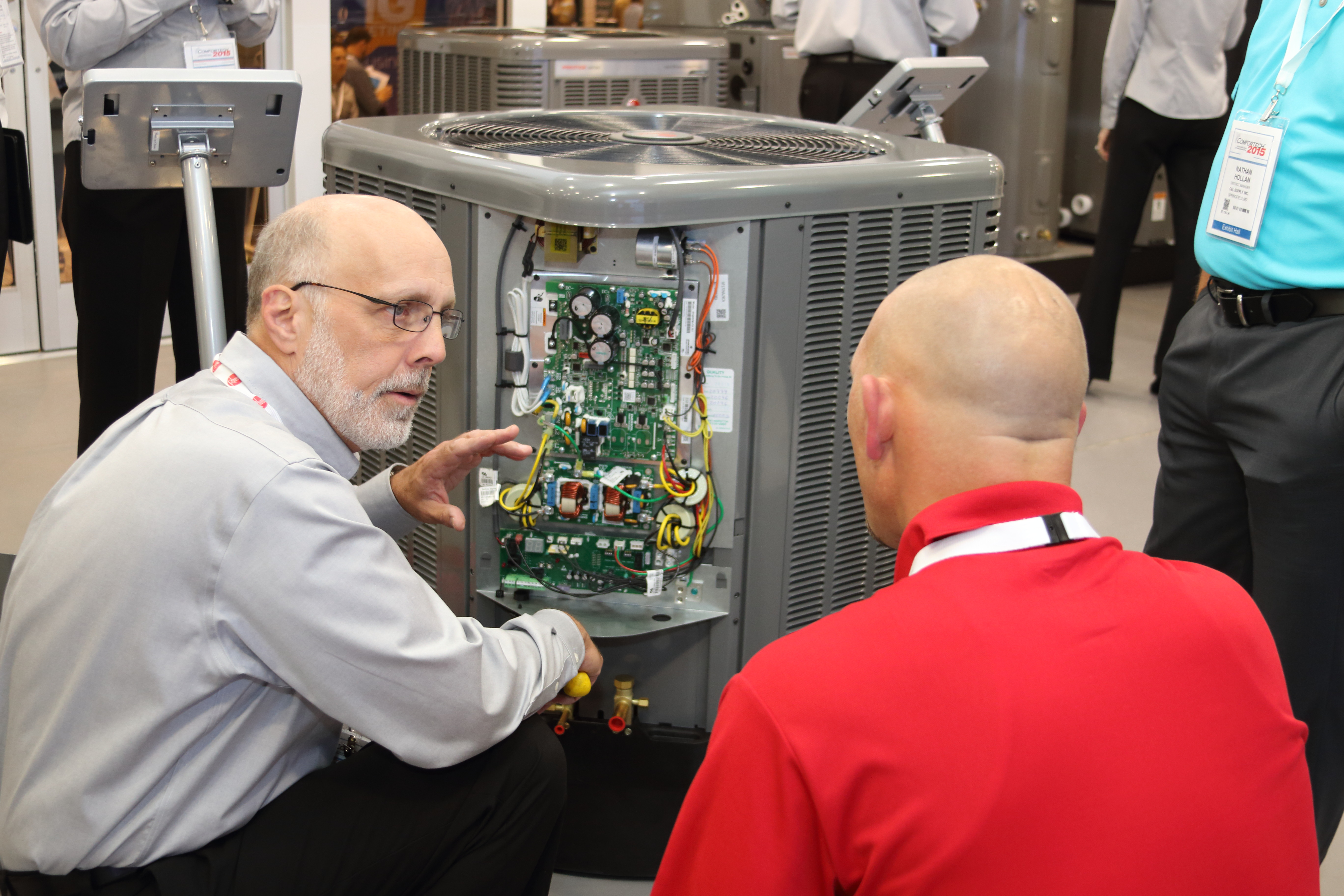
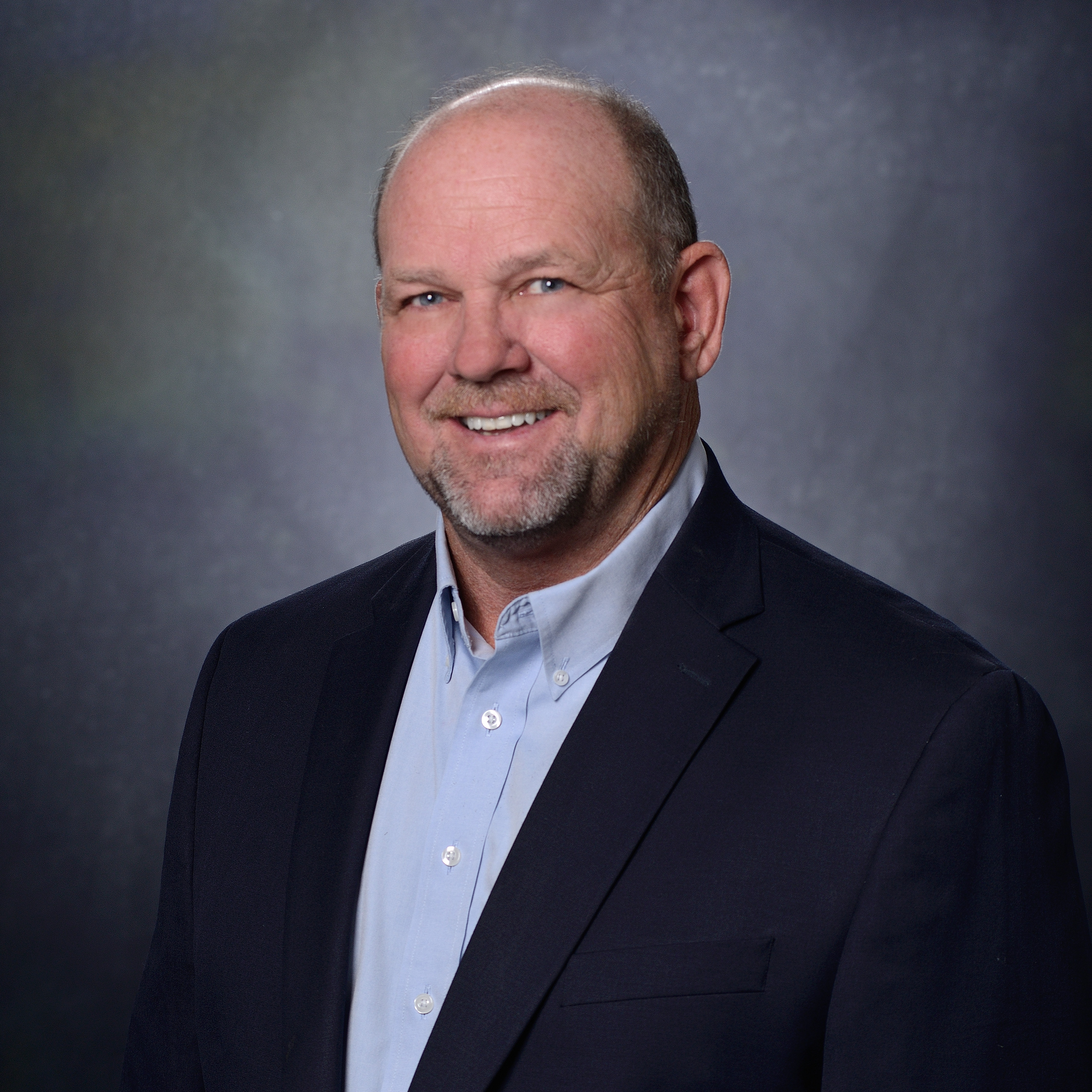
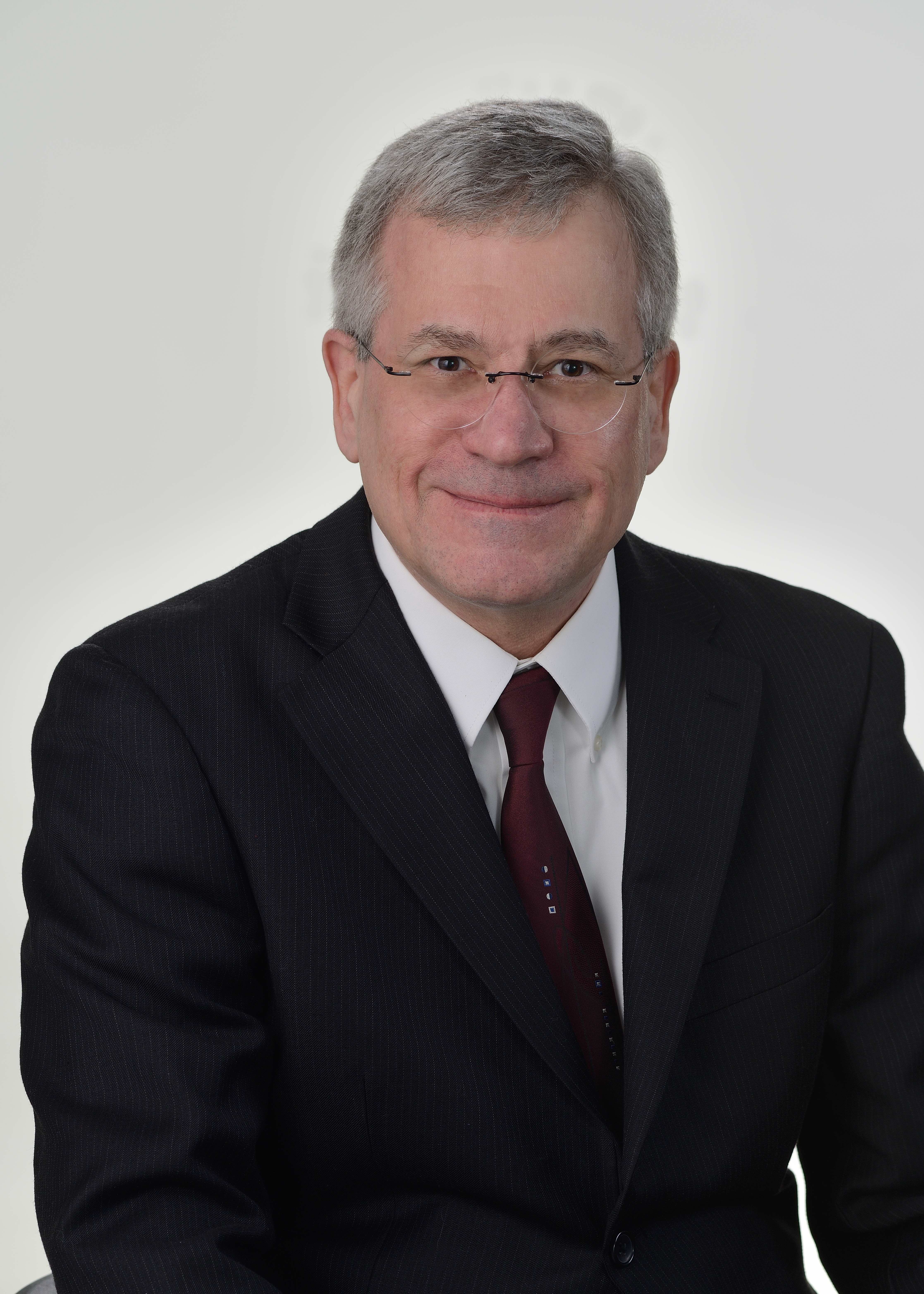
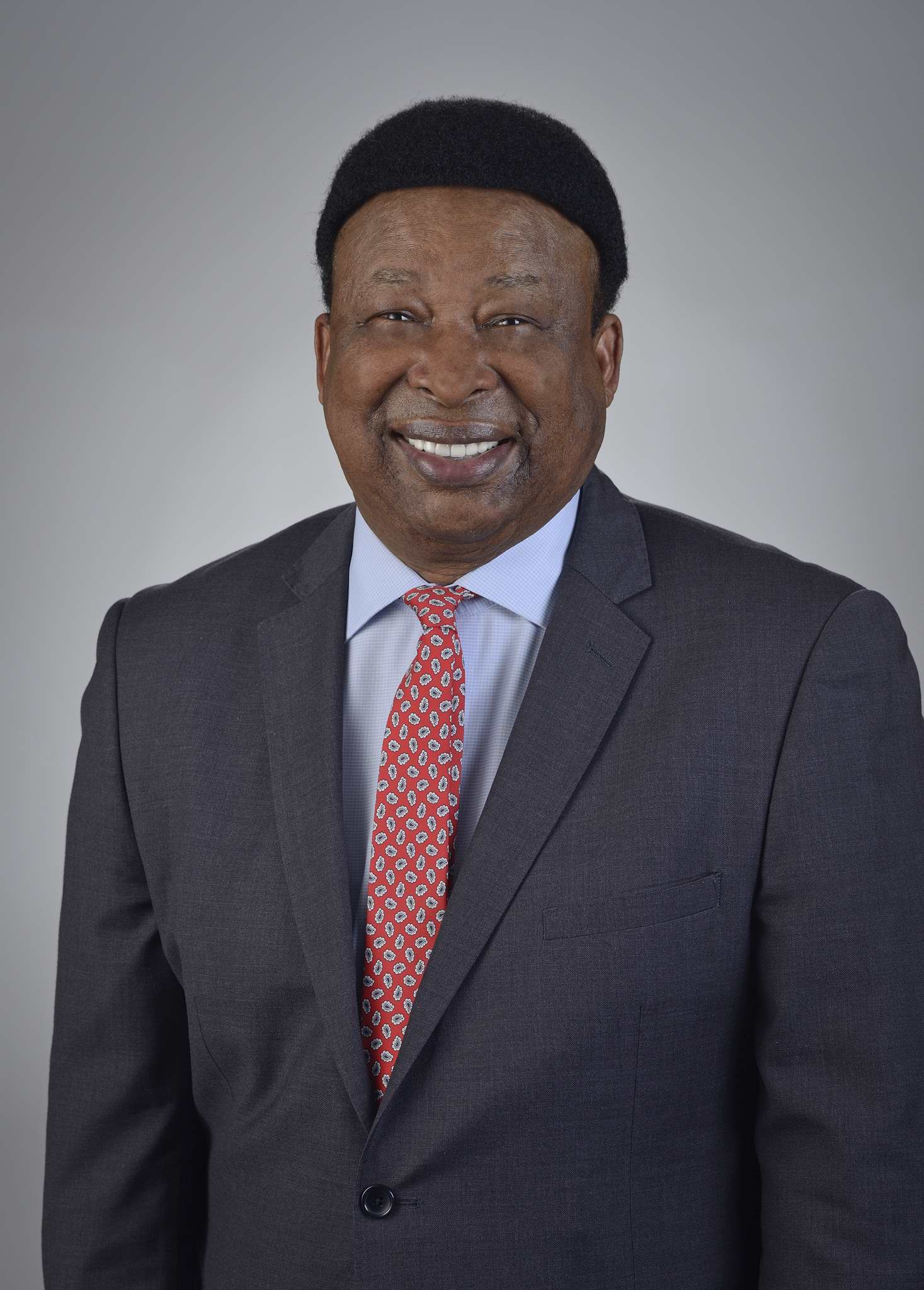
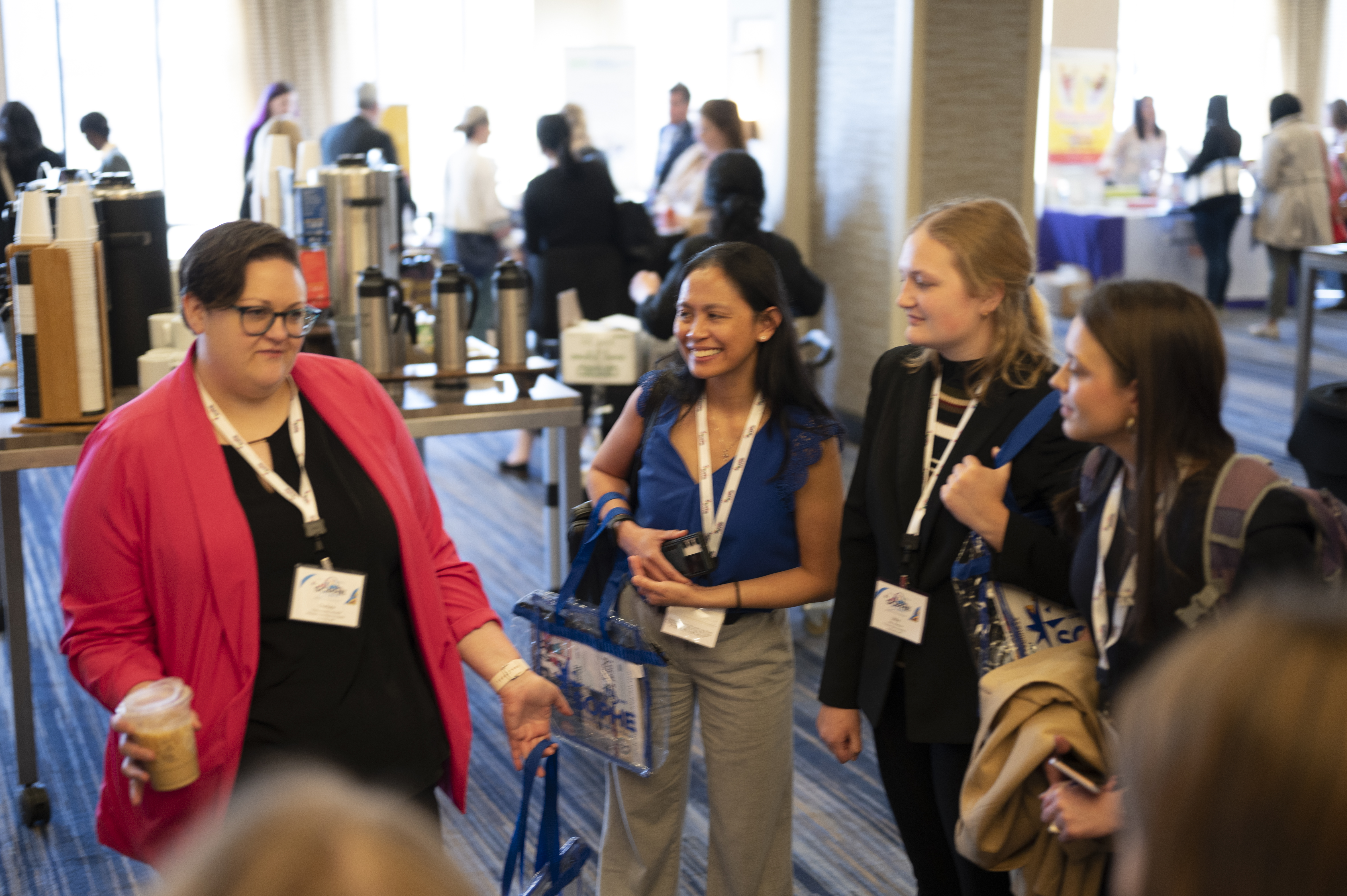
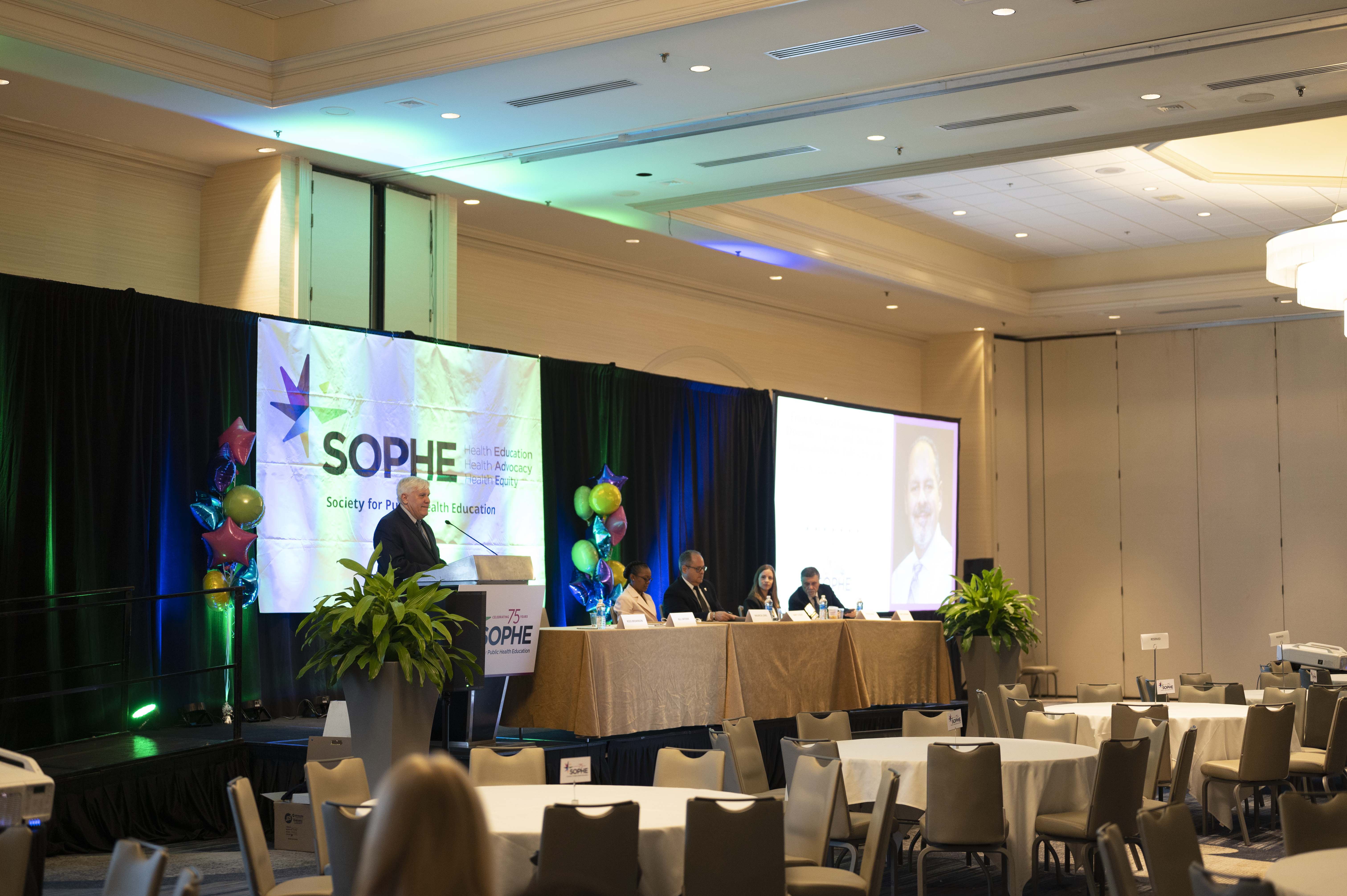
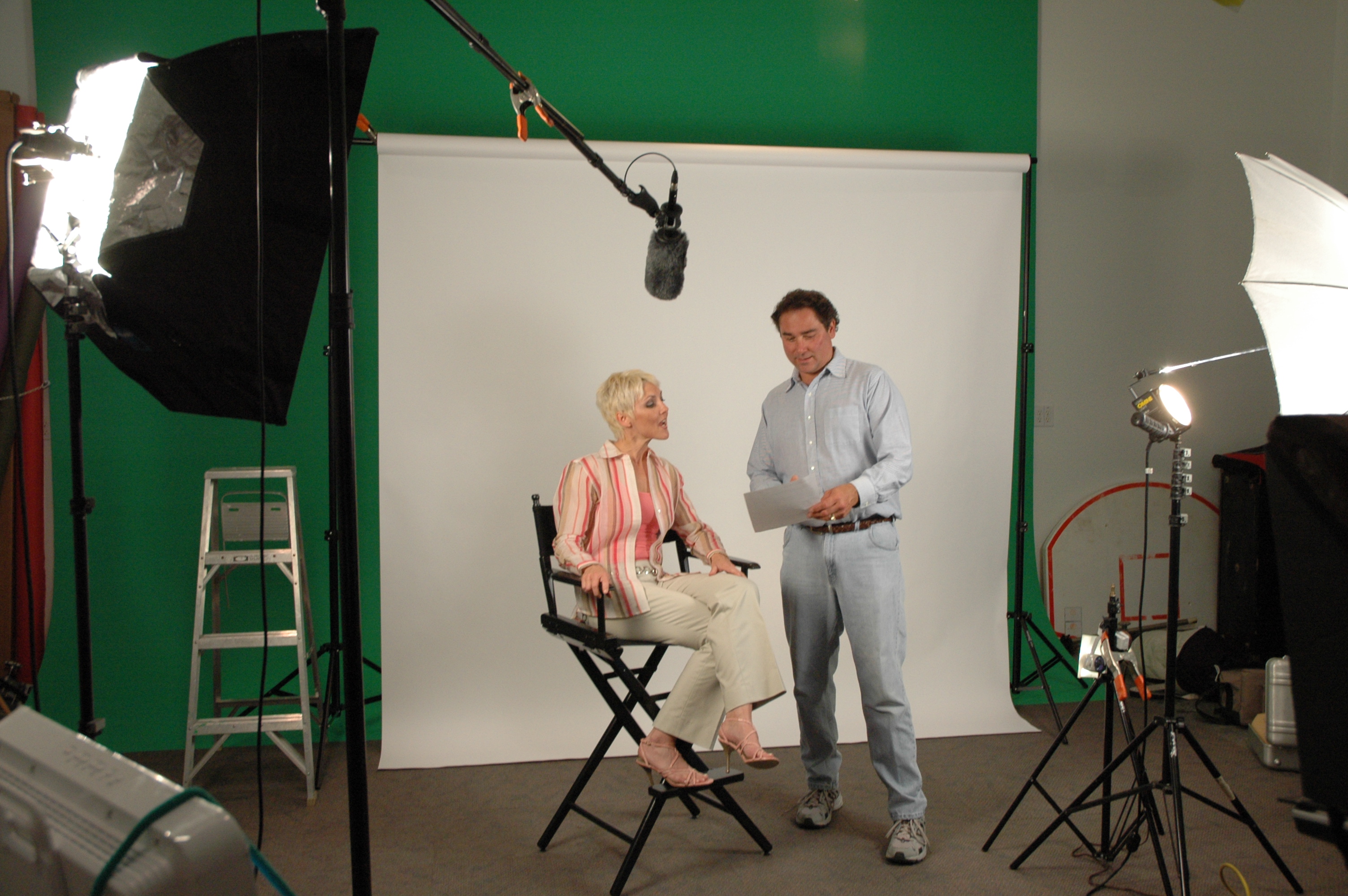
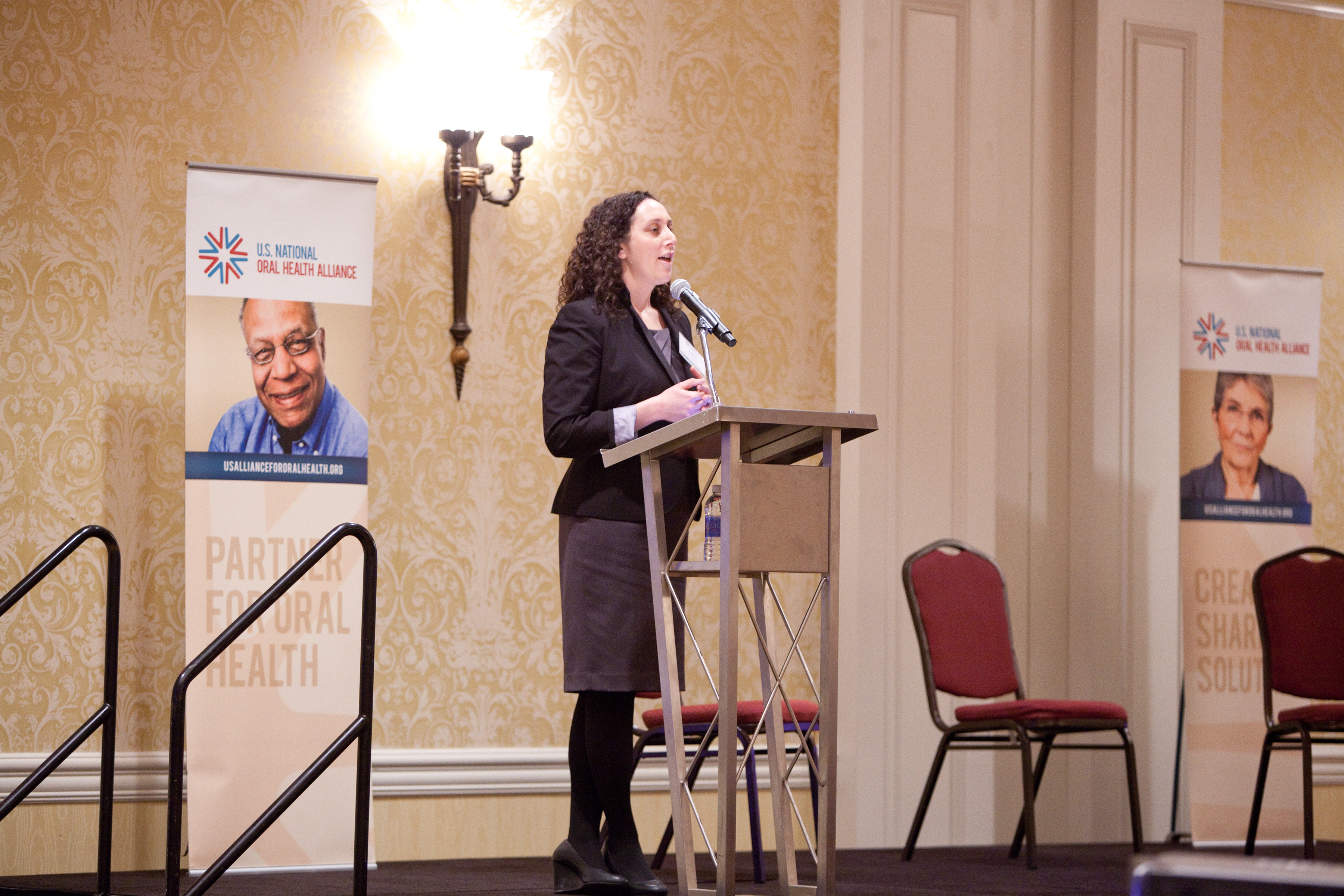
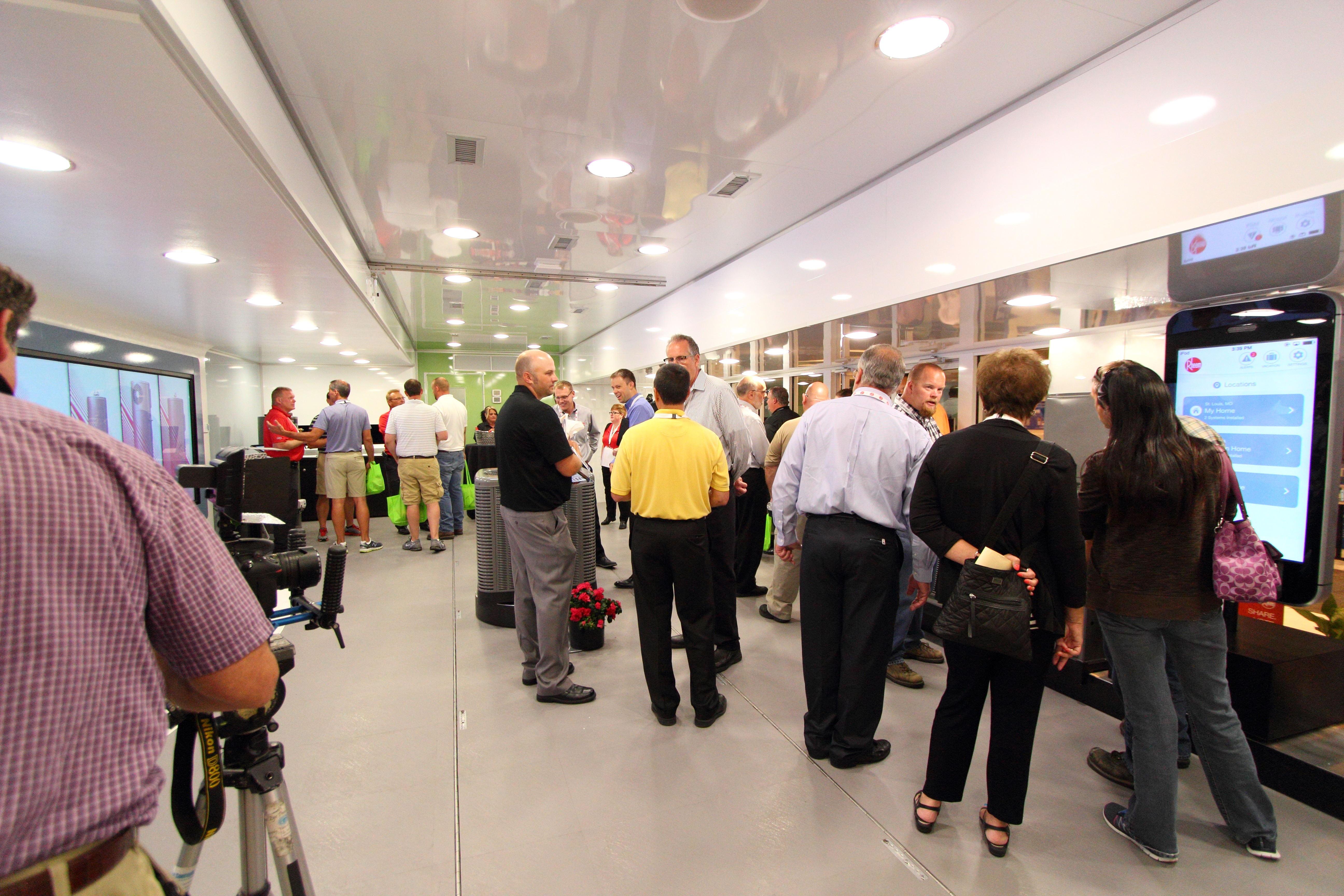
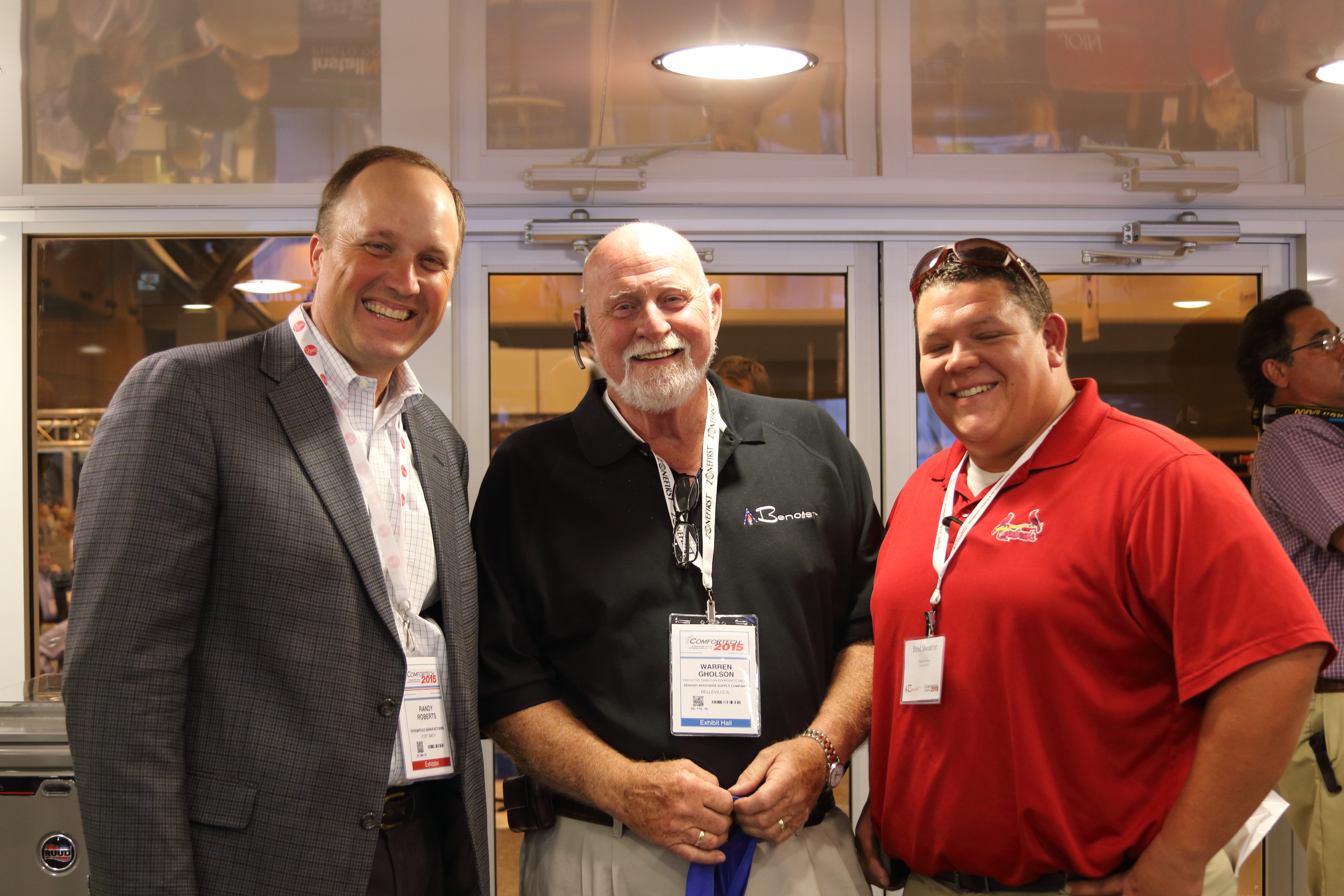
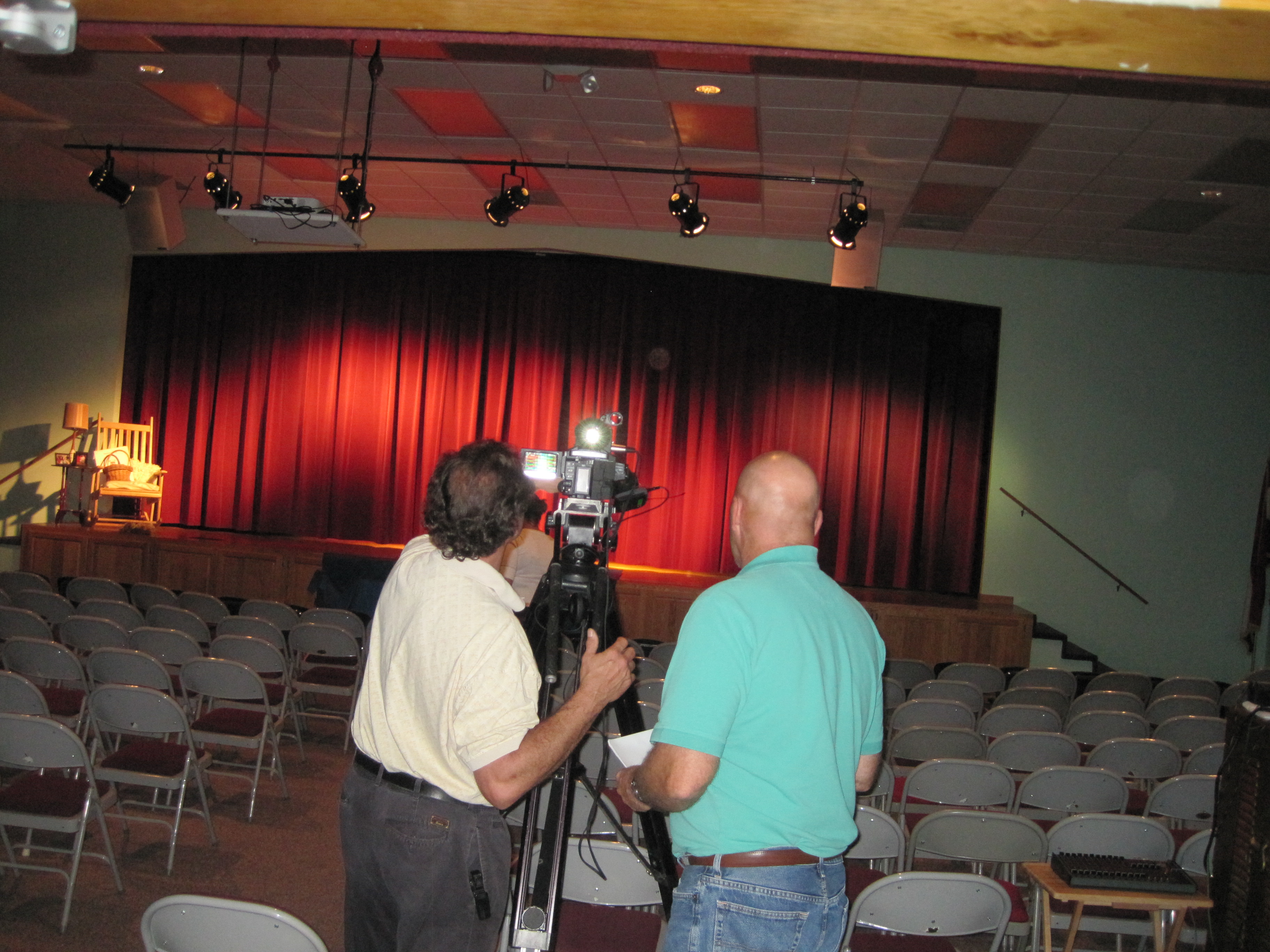
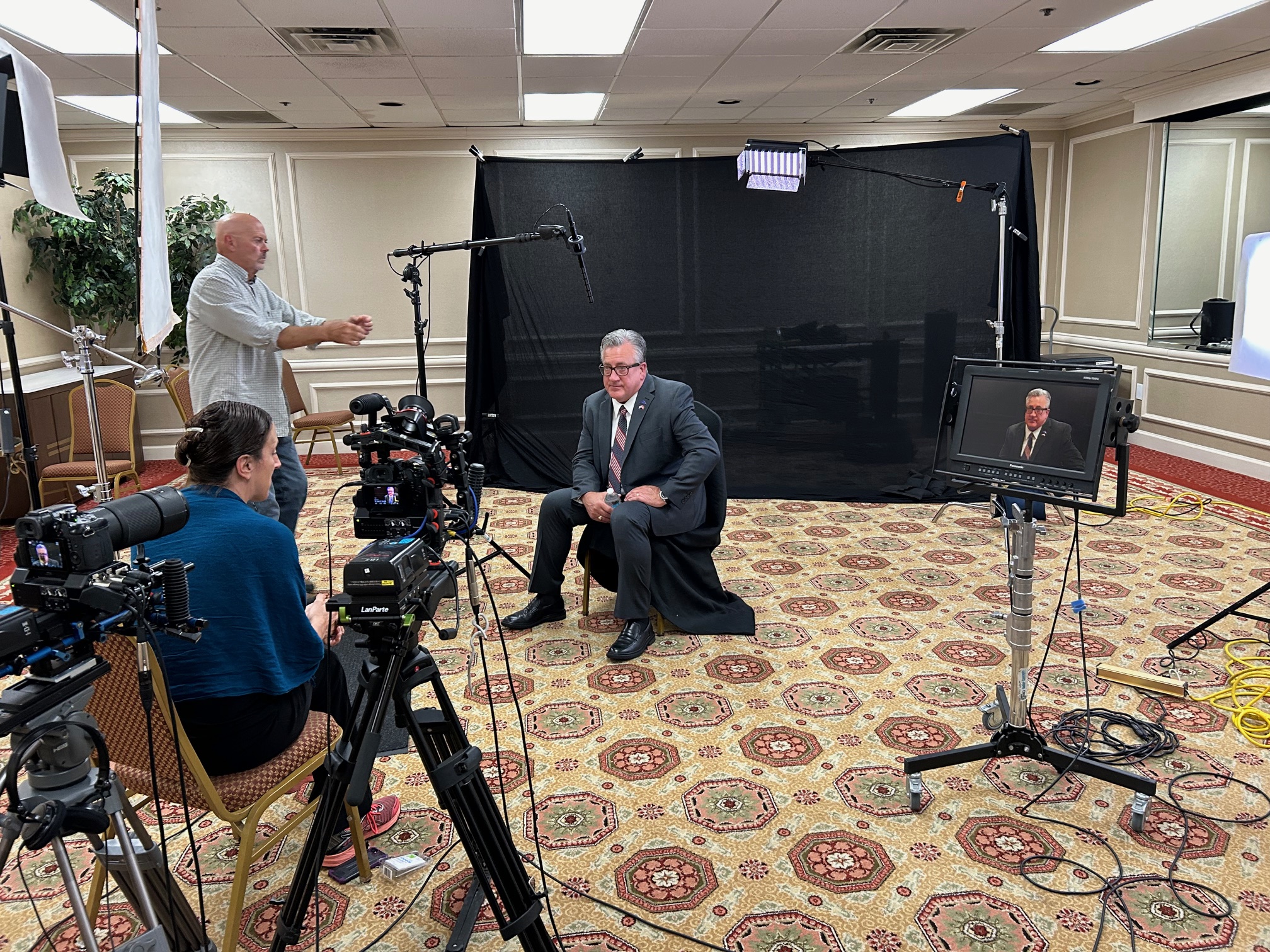
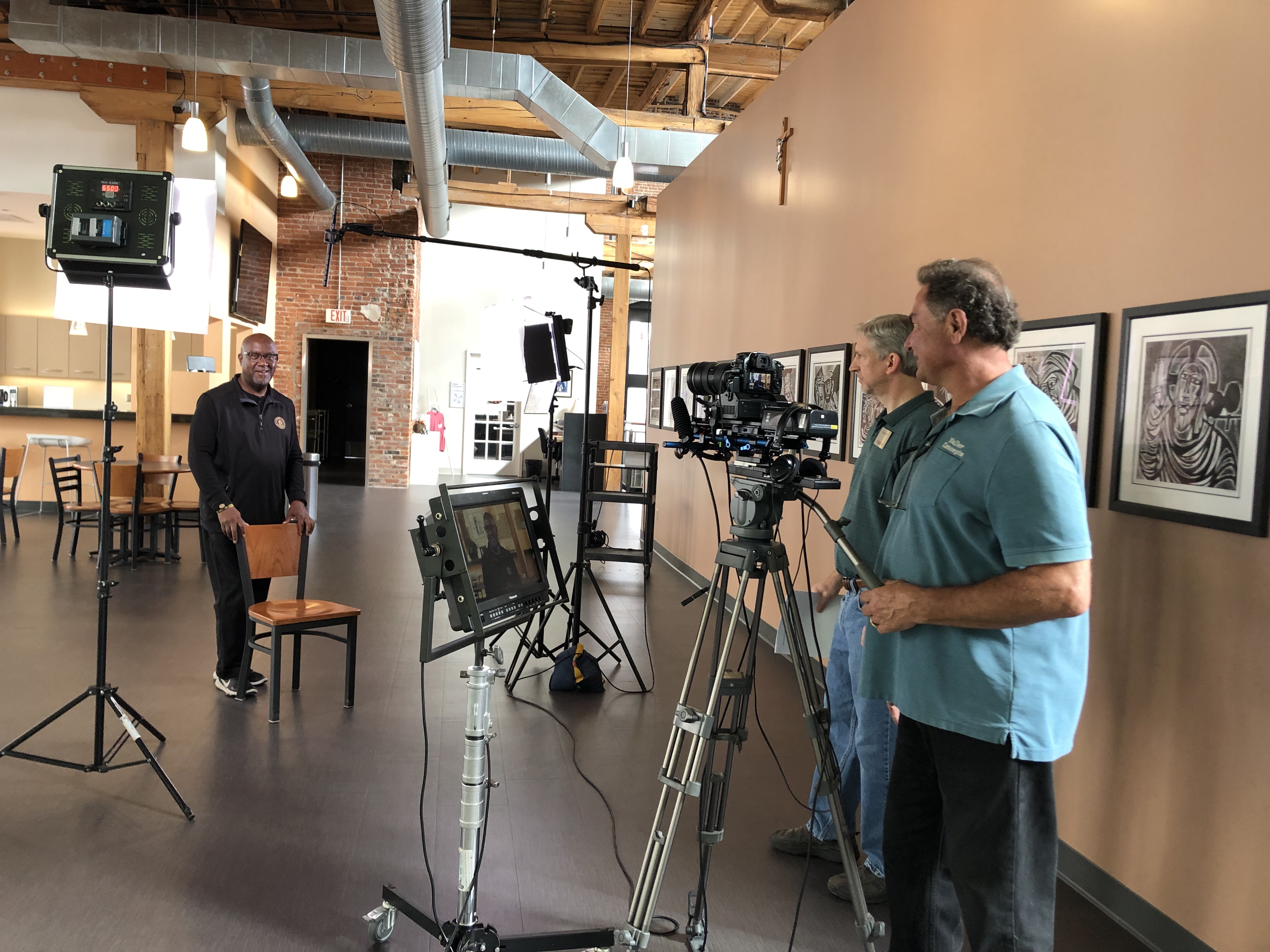
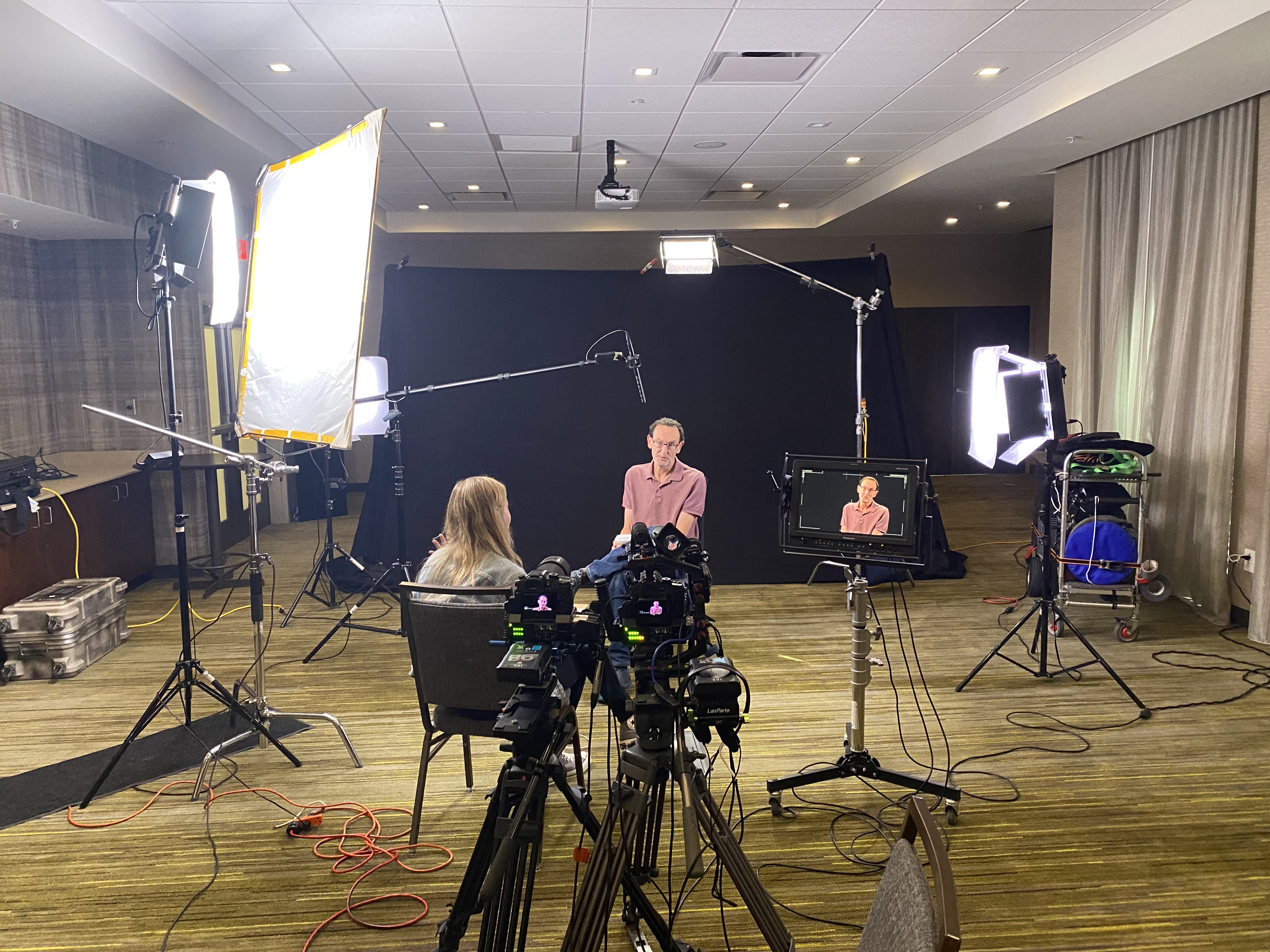
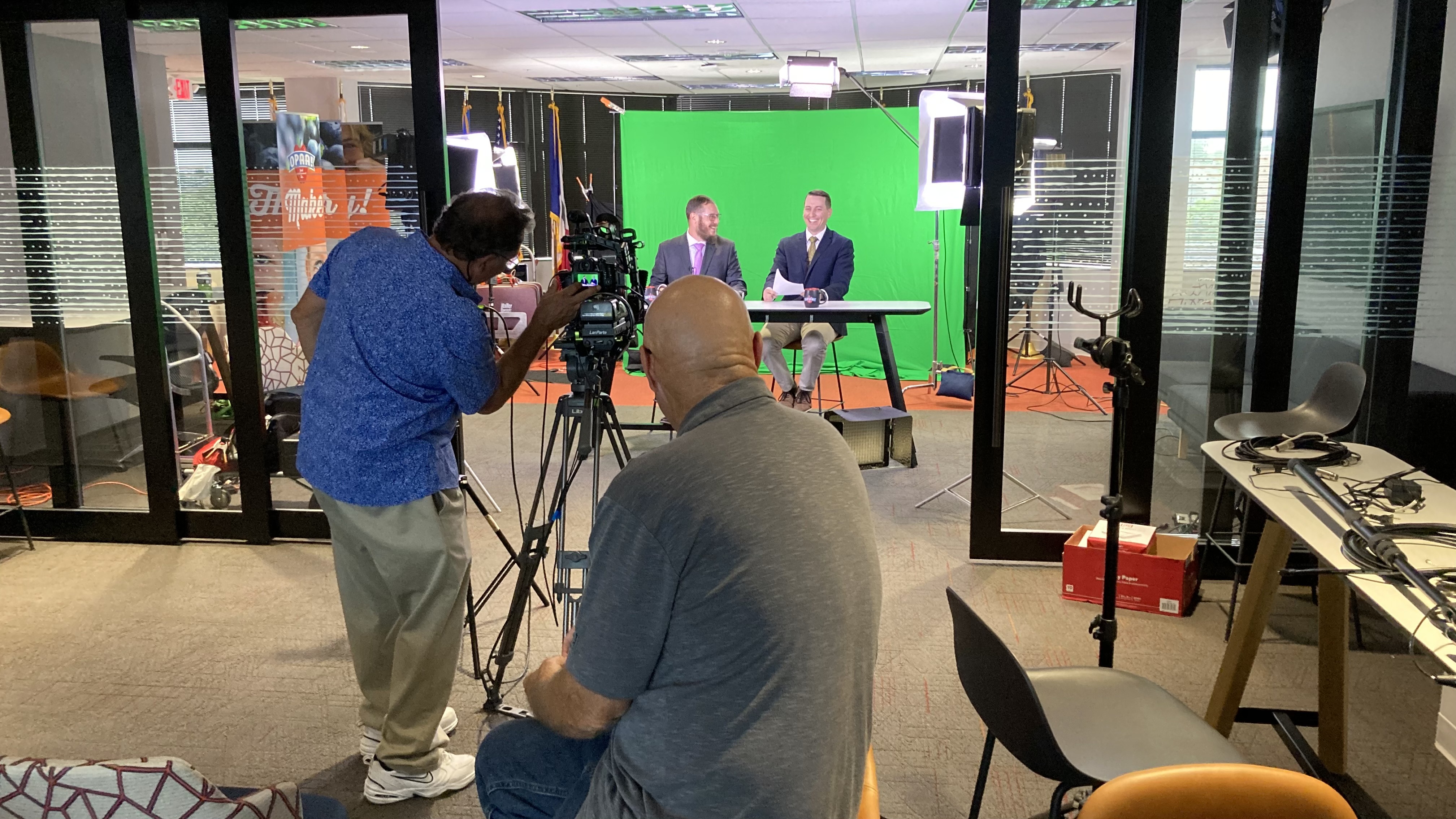
A live event gives you a few hours to make an impression on a room full of customers, partners, employees, or donors. Professional photography and video decide whether that impression reaches anyone beyond the room.
If you oversee marketing, communications, or business development, event coverage is more than a line item for “someone with a camera.” It is how you extend the reach of an event you’ve already paid for. This guide covers what to consider so your coverage supports your goals.
Start With the Question: What Will This Content Do?
Before you request quotes, decide what the finished content needs to accomplish. Event coverage tends to serve one or more of these goals:
Promotion: Content that builds anticipation for next year’s event or drives registrations
Proof of value: Imagery and testimonials that show sponsors, members, or leadership what the event delivered
Ongoing marketing: Material for your website, social channels, email campaigns, and sales decks
Internal communication: Recaps and recorded sessions for employees who couldn’t attend
Archive and reporting: A visual record for annual reports, grant applications, and press kits
Naming your priorities early tells your production partner how to allocate cameras, crew, and editing time.
Build a Shot List and Run-of-Show Together
The best event coverage is planned in advance. Share your agenda, speaker lineup, VIP list, and key moments with your production team. A good producer will turn those into a shot list and a coverage plan that answers questions like these:
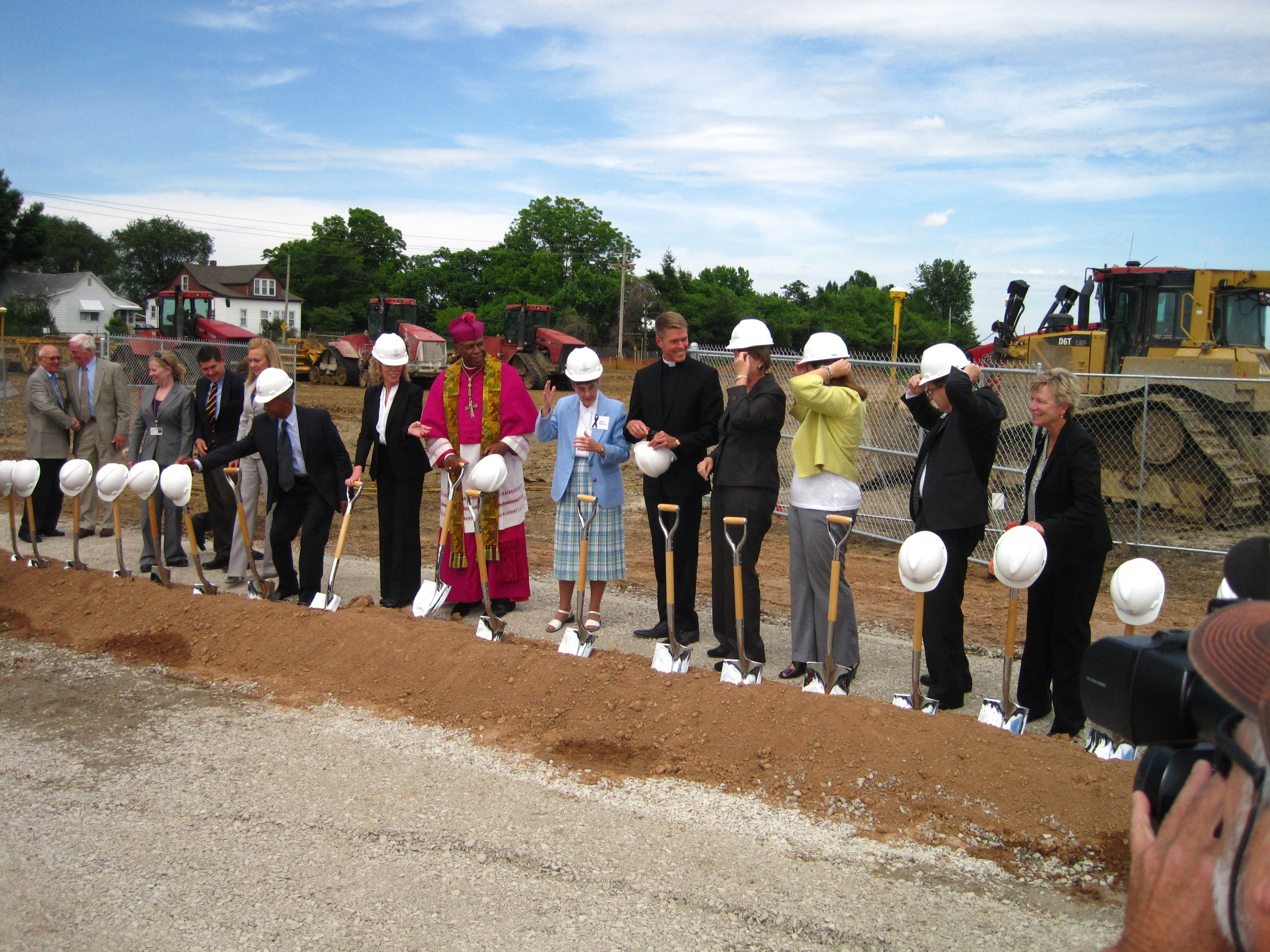
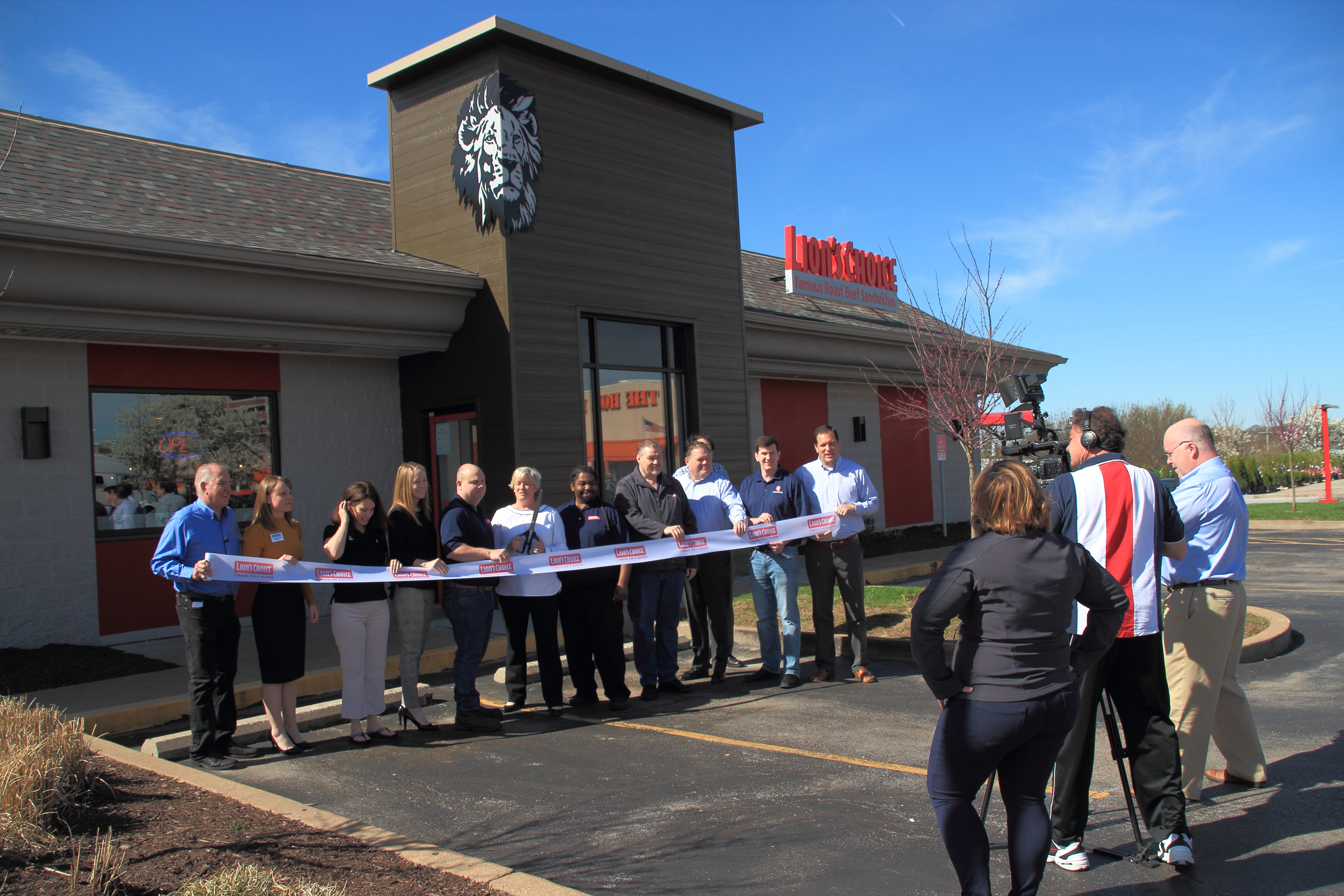
Which moments are non-negotiable, such as the keynote, the ribbon cutting, or the award presentation?
Who are the people leadership wants photographed or interviewed?
Which sponsor signage, branded areas, and product displays need documentation?
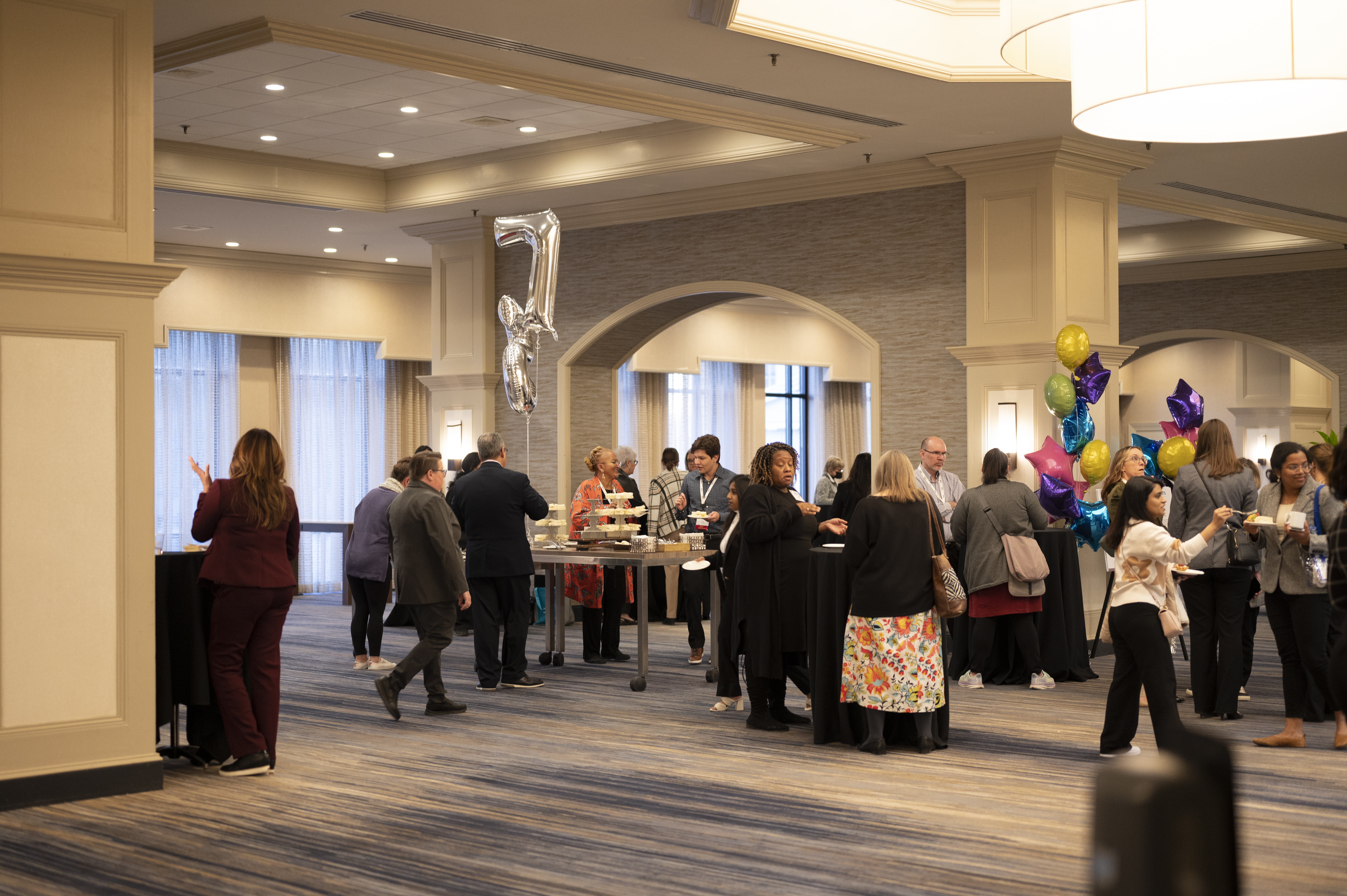
Where do you want candid, human moments, such as networking, conversations, and reactions?
What happens when the schedule slips? (It usually does.)
That last question matters. Events run late, speakers rearrange, and rooms change. Crews with real event experience adapt without disrupting the program or missing the moment.
Match the Crew and Gear to the Event
Crew size and equipment should scale with your event, not with a generic package.
A single photographer may be enough for a small reception or team gathering.
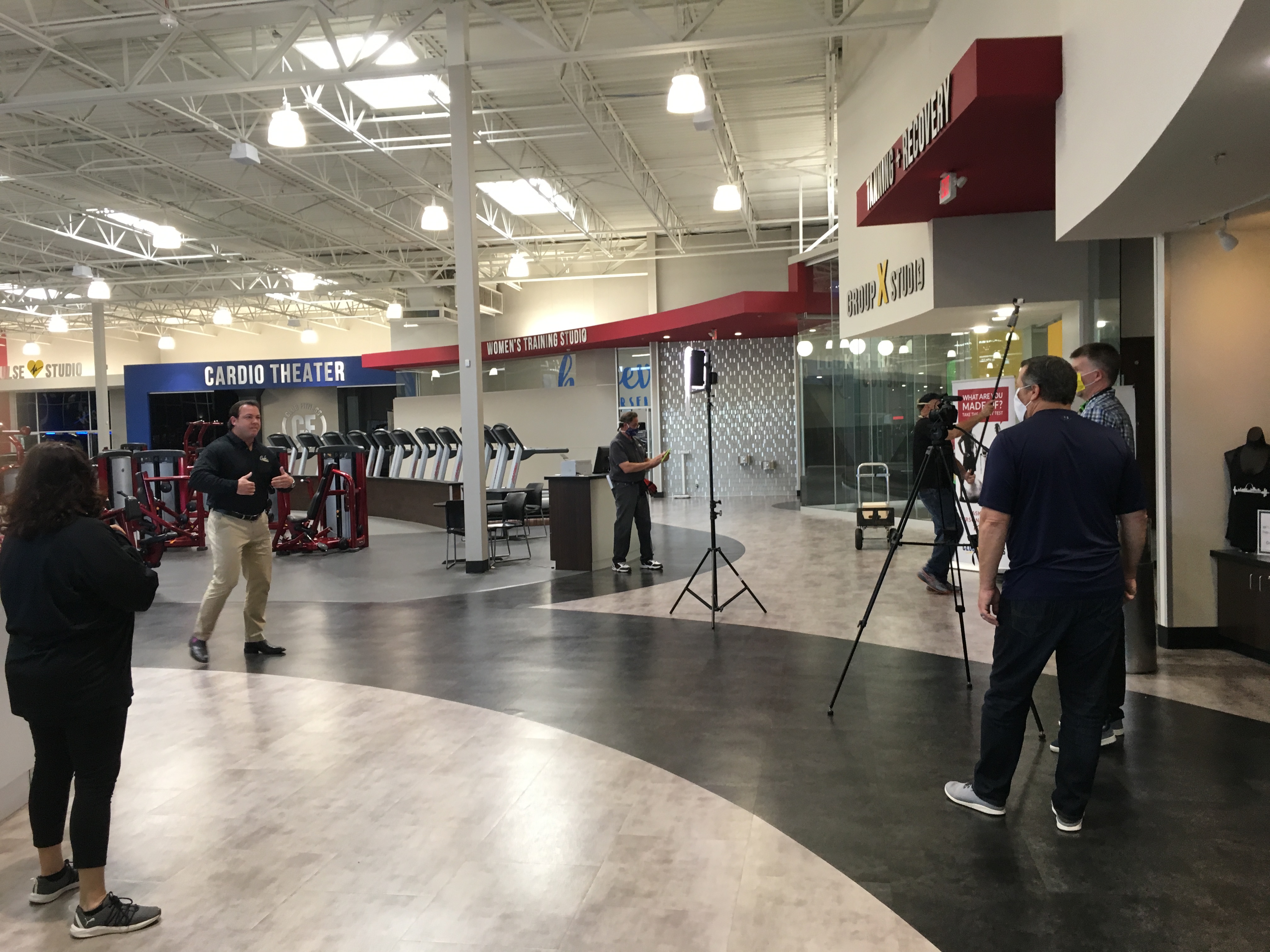
A photographer plus a videographer suits most mid-size corporate events, such as breakfasts, panels, and open houses.
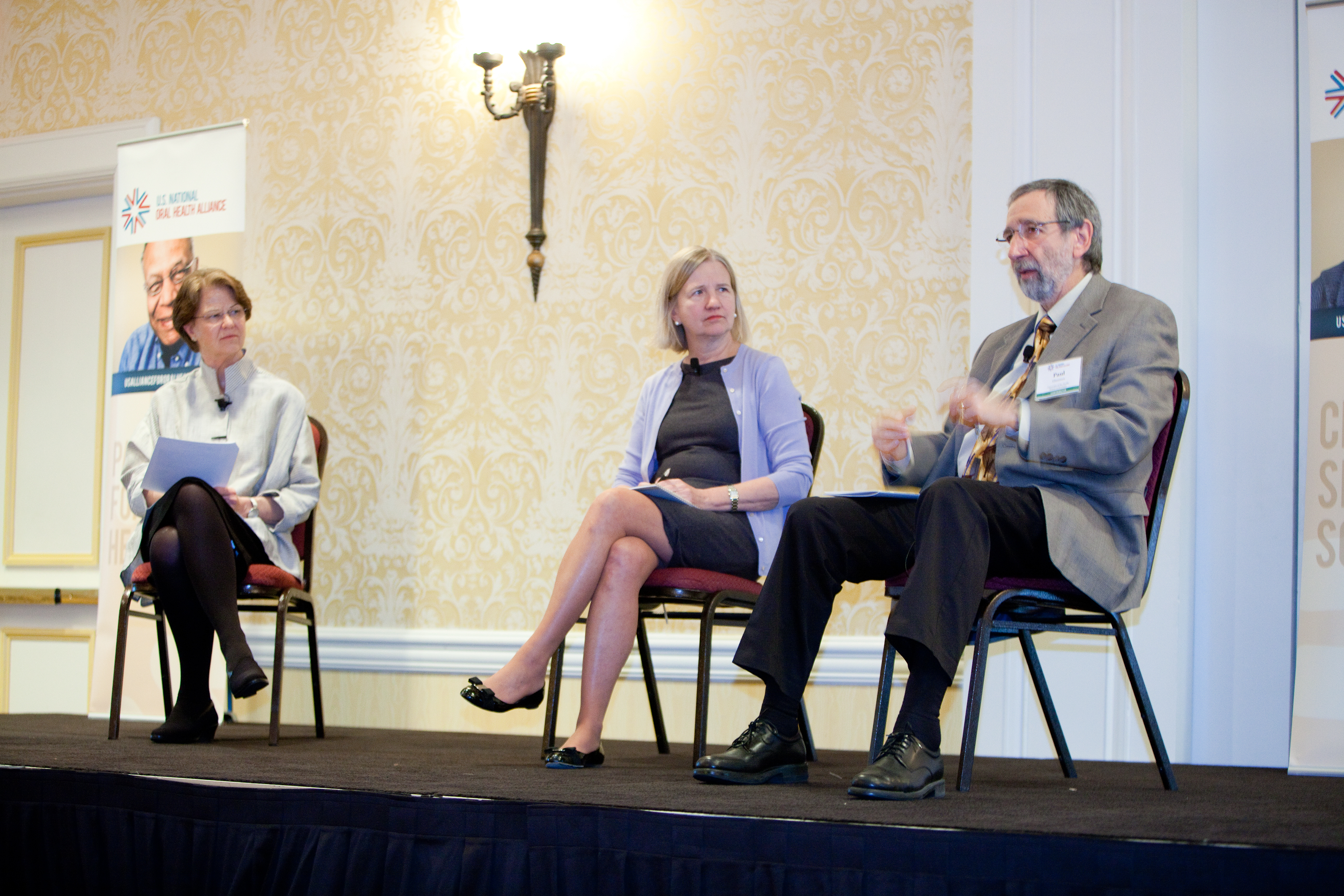
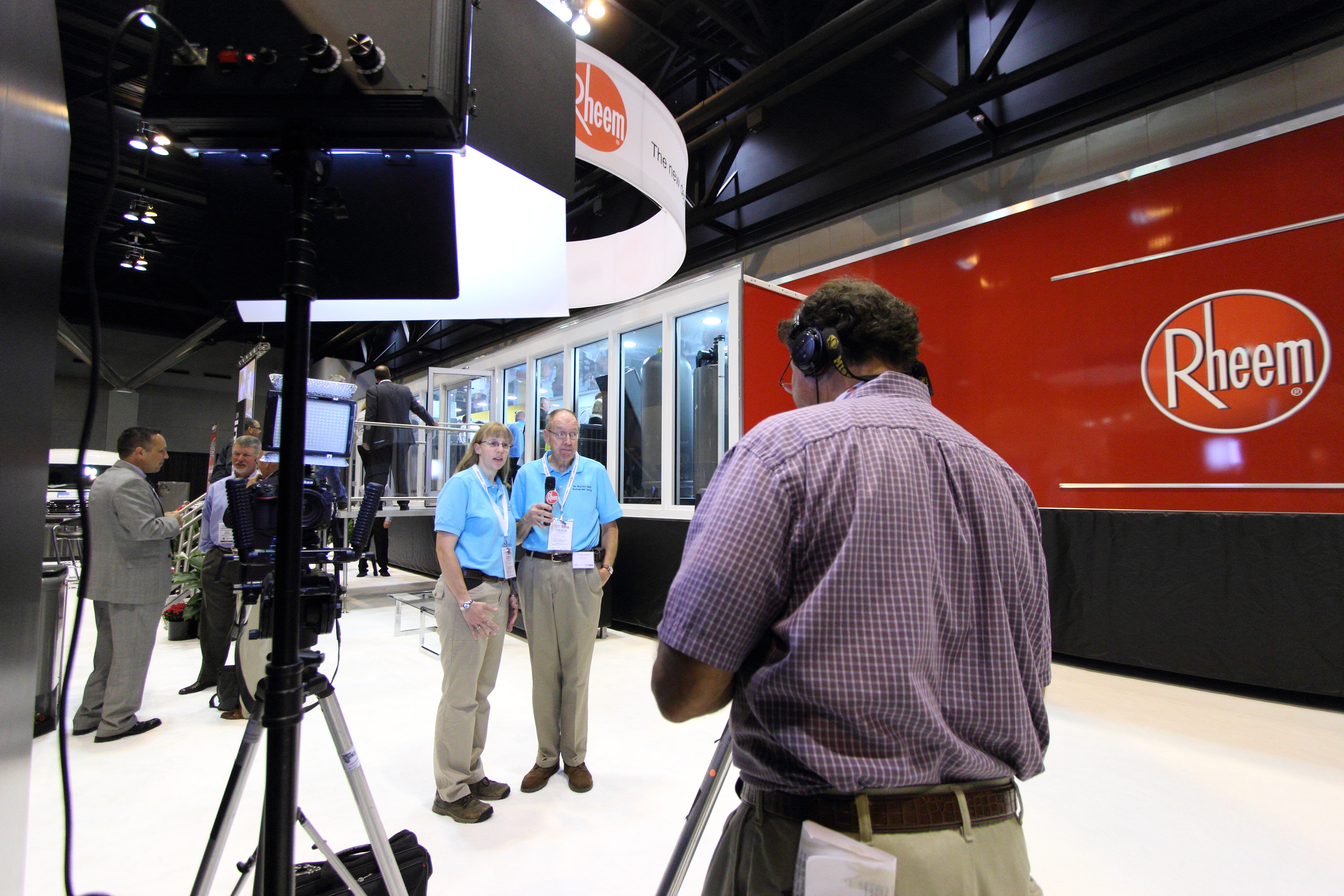
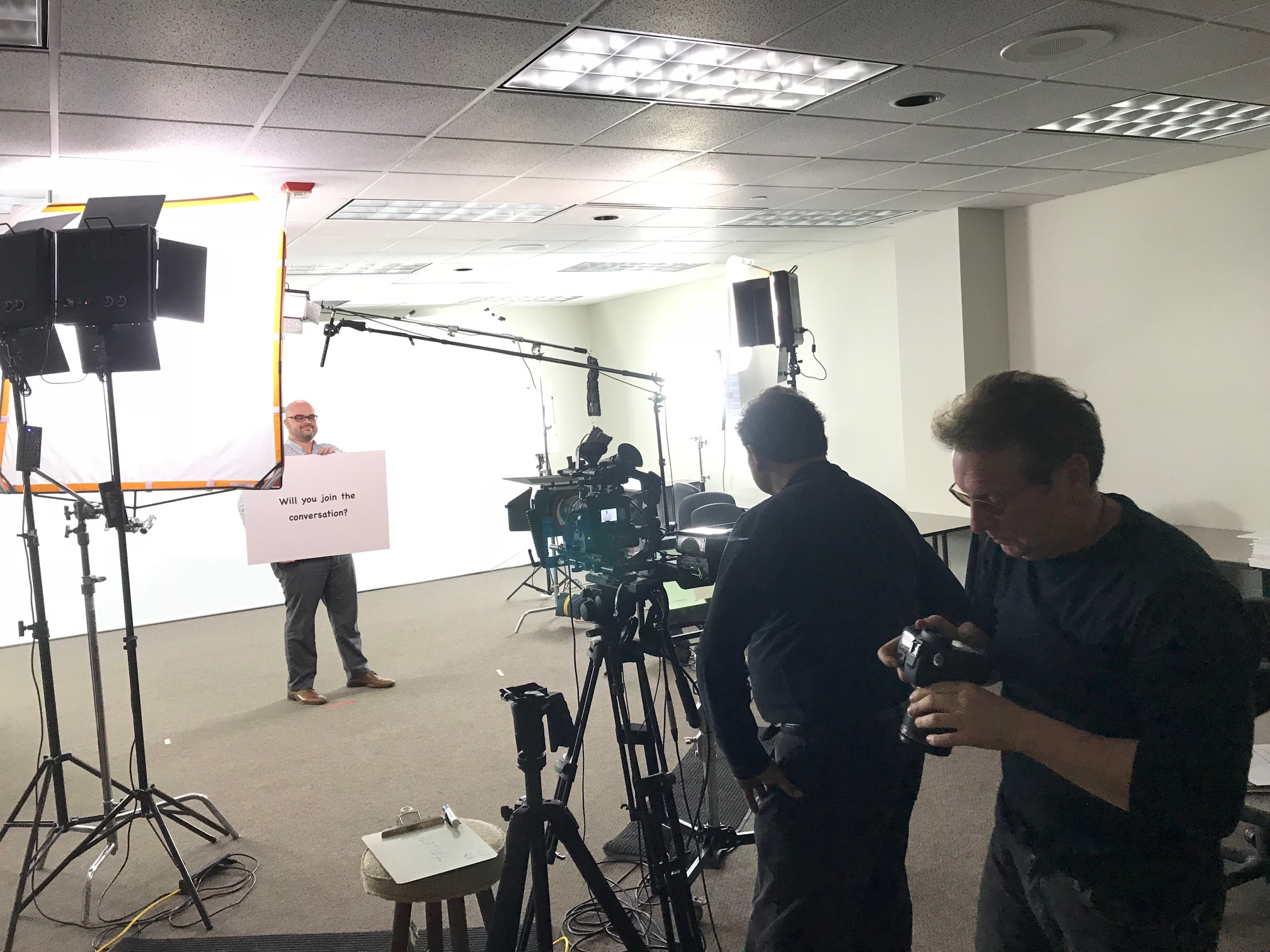
Multi-camera video with dedicated audio is the right call for conferences, keynotes, galas, and any session you plan to publish in full.
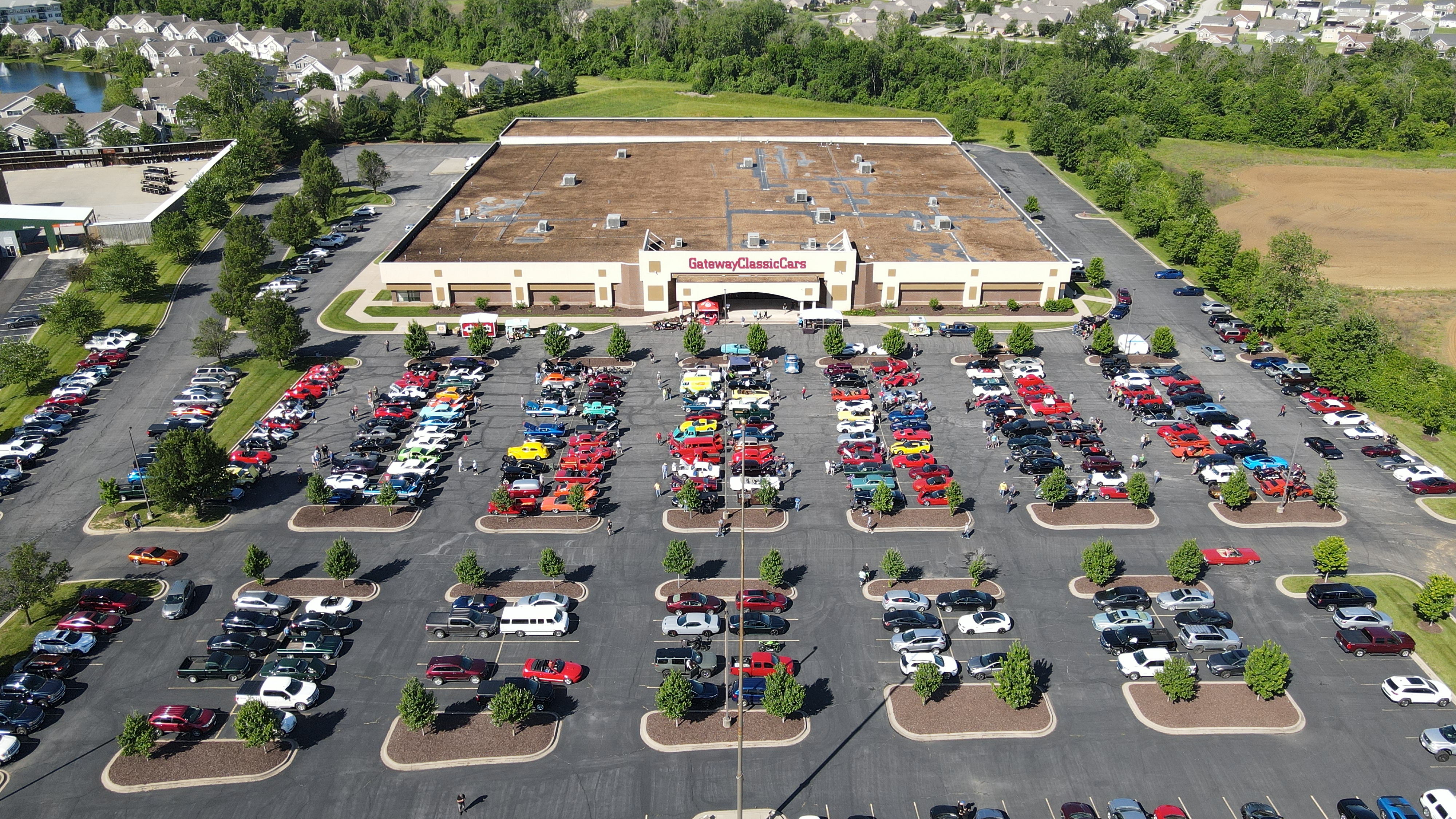
Aerial coverage adds scale for outdoor events, grand openings, and large venues.
Equipment matters most in difficult conditions. Low-light ballrooms, mixed lighting, and fast-moving subjects call for fast lenses, capable low-light cameras, and operators who know how to use them. Redundant gear and backup recording are standard practice for a one-time event.
Get Sound Right
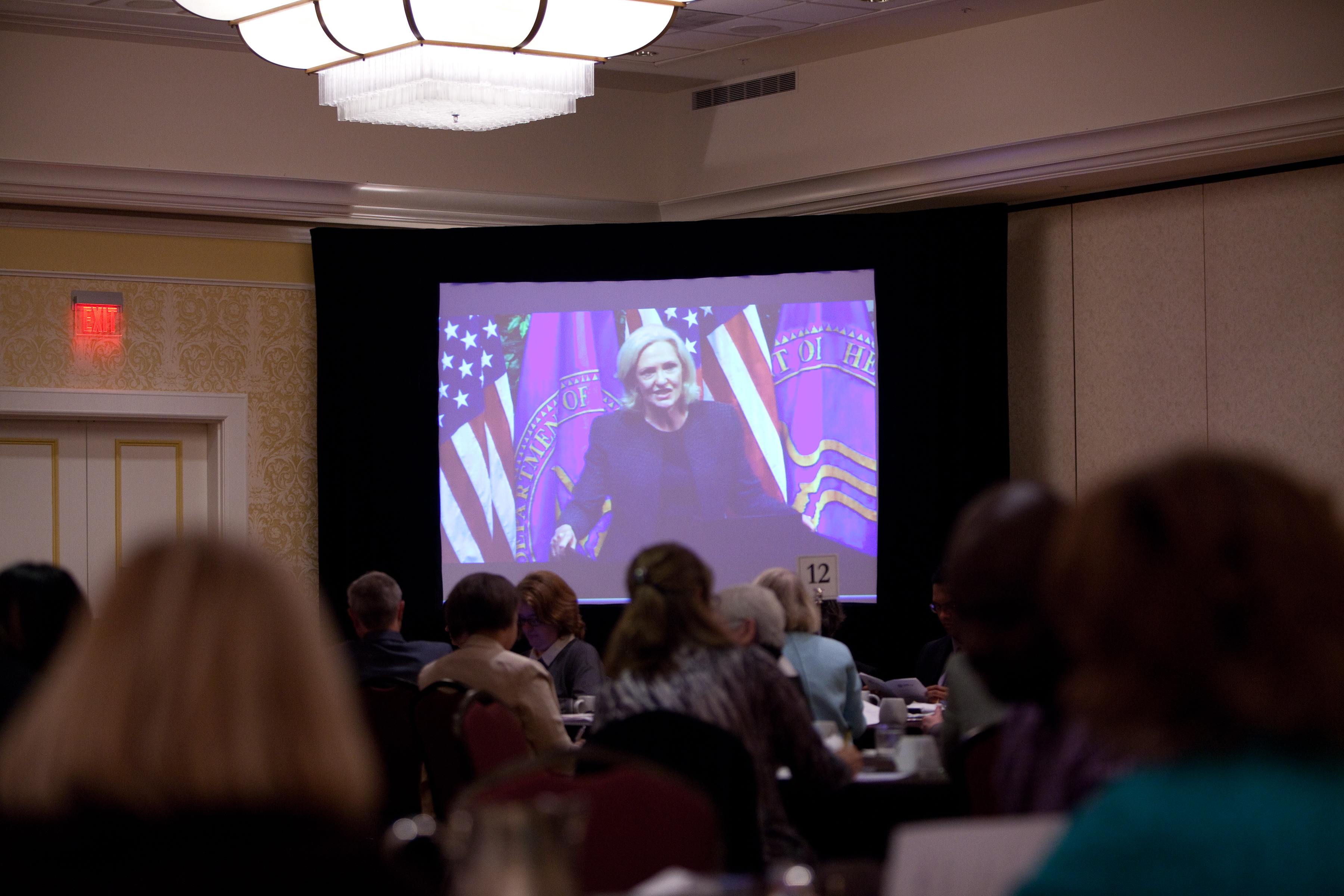
Poor audio is the fastest way to make a good event look amateur. Rooms echo, crowds drown out speakers, and presenters turn away from microphones. Professional coverage plans for this with wireless lavalier or handheld microphones, feeds from the venue’s sound system, and separate ambient recording. If you intend to publish speaker sessions or testimonials, ask about audio before anything else.
Don’t Skip the Site Visit
Visiting the venue before the event, or scouting it remotely, answers practical questions that affect the result:
Where will cameras have clear sight lines without blocking attendees?
How will lighting change between sessions and over the course of the day?
What are the power, load-in, and access requirements?
Where can interviews be recorded away from noise?
Which details of the space are worth capturing as b-roll?
B-roll deserves attention in its own right. Setup, signage, registration, hospitality, and candid moments give editors the material to build a coherent, polished story rather than a string of speaker clips.
Plan for the Edit and for Delivery
Coverage is only half the work. Your editing plan determines how quickly and how well the content reaches your audience.
Discuss these points in advance:
Turnaround: Which items do you need within hours, which within days, and which within weeks?
Formats: Vertical clips for social, horizontal video for web, and high-resolution stills for print all have different requirements.
Branding and graphics: Logos, lower thirds, captions, and music should match your visual identity.
Rights and releases: Confirm usage rights for your content, and handle talent and attendee releases appropriately, especially for marketing use.
Delivery and organization: Well-labeled, easy-to-access files save your team time later.
Artificial intelligence tools now help with sorting and culling large photo sets, transcription, captioning, and audio cleanup. Used well, they speed up turnaround while an experienced editor still makes the creative decisions.
Squeeze More From Every Event
A single event can produce a year of content when you plan to repurpose it. A keynote can become a full session recording, a short promotional clip, a series of quote graphics, and a blog post. Interviews can become testimonials. Photos can fill your website, newsletters, and recruiting materials. Footage from this year’s event can become the promotional centerpiece for next year’s.
Decide early which assets you’ll want to reuse, and capture them with that in mind.
Questions to Ask Before You Hire
Can you show examples of events similar to ours?
How many people will you send, and what will each person do?
What is your backup plan for equipment or crew issues?
How do you handle audio?
Who edits the content, and what is the typical turnaround?
Can you help us repurpose the content after the event?
A provider who answers these confidently and specifically has probably done this before.
About St Louis Headshots
St Louis Headshots is a full-service professional commercial photography and video production company. Since 1982, we have worked with many businesses, marketing firms, and creative agencies in the St. Louis area on their marketing photography and video. That experience, the right equipment, and a creative crew are what make image acquisition successful, particularly at live events, where there is no second take.
We offer full-service studio and location video and photography, plus editing, post-production, and licensed drone services. We customize productions to fit diverse media requirements. We also specialize in repurposing your photography and video branding to gain more traction. We are well-versed in all file types, styles of media, and accompanying software, and we use the latest in artificial intelligence across our media services.
We support every aspect of your production:
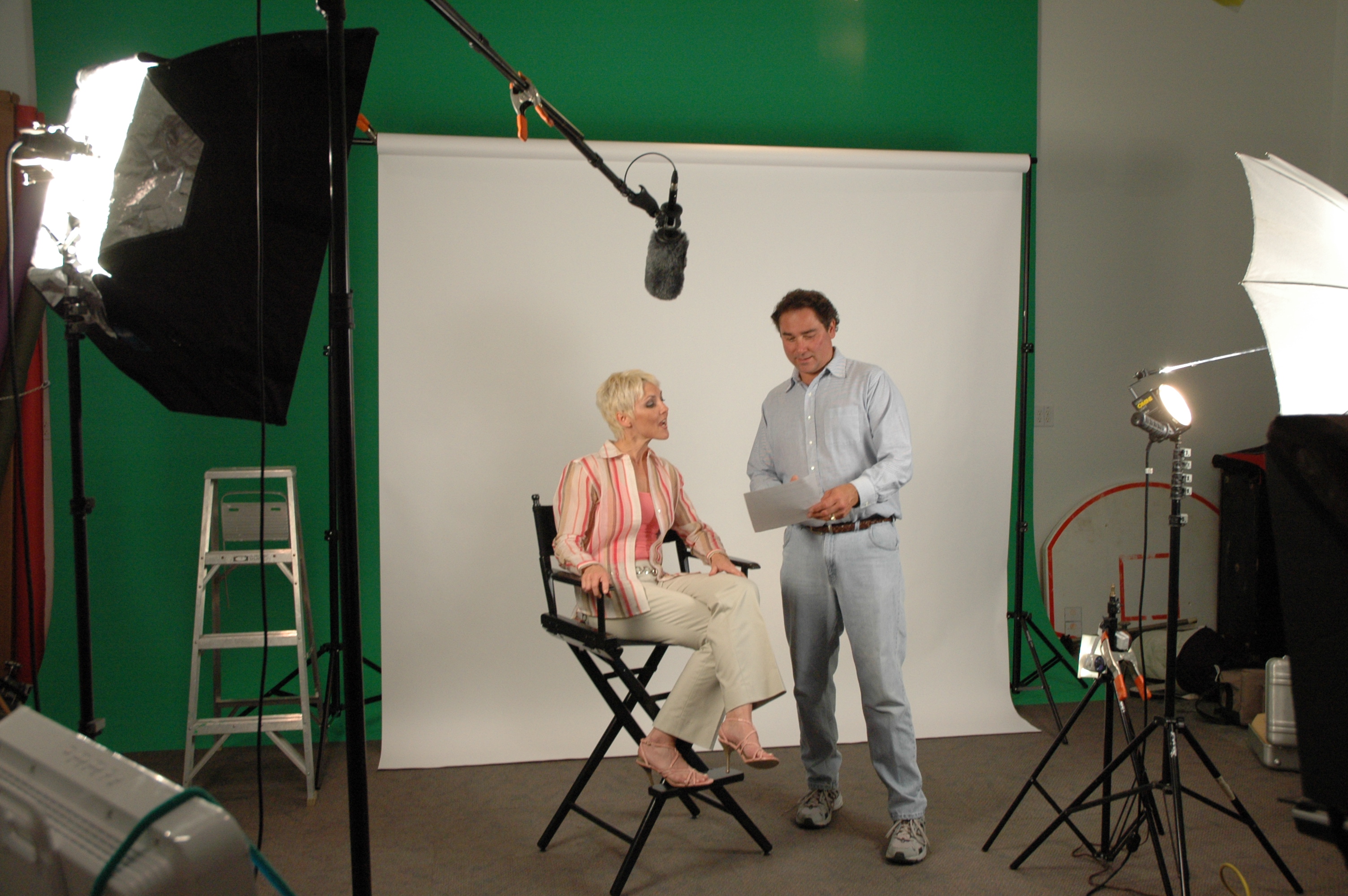
Private studio: Our studio lighting and visual setup is ideal for small productions and interview scenes. The space is large enough to incorporate props to round out your set, and we can set up a private, custom interview studio for your project.
Crew and equipment: We supply professional sound and camera operators along with the right equipment, so your next video production is seamless and successful.
Location scouting and b-roll: Our specialists find the right settings and capture the supporting footage that gives your final video depth.
Specialized drone services: In addition to licensed aerial coverage, we fly specialized FPV drones indoors. We also offer infrared thermal imaging, orthomosaics, and LiDAR.
Planning a conference, launch, gala, or corporate celebration? Contact St Louis Headshots to talk through your goals, and we’ll help you build a production plan that captures the event and gives your marketing something to work with long after it ends.
For decision makers responsible for marketing, HR, or brand strategy, headshots often get filed under “nice to have” — something to check off before a new hire’s start date or ahead of a website relaunch. That framing undersells what a professional headshot actually does for an organization. In a market where a prospective client, candidate, or partner forms an impression of your company within seconds of landing on a website or LinkedIn profile, the quality and consistency of your team’s headshots is a direct reflection of your brand’s credibility.
This post breaks down why professional headshots deserve a real line item in your marketing or HR budget, what separates a professional result from a “good enough” one, and how to plan a headshot session that scales across an entire organization.
The First Impression Problem
Before a prospect reads your value proposition, before a candidate reviews your benefits package, they see a face. Research on first impressions consistently shows that people form judgments about competence, trustworthiness, and approachability within a fraction of a second of viewing a photo. That judgment gets applied — fairly or not — to your entire organization.
Inconsistent headshots create a subtler problem: they signal disorganization. A leadership page where half the team has crisp, well-lit studio photos and the other half has cropped vacation photos or outdated webcam captures tells visitors that brand standards aren’t being enforced. For companies competing for talent, clients, or investment, that inconsistency is a missed opportunity at best and a credibility gap at worst.
Where Professional Headshots Matter Most
Company websites and leadership pages. Your “About” or “Team” page is frequently one of the most-visited sections of a corporate site, especially for B2B companies where buyers want to know who they’ll be working with.
LinkedIn and professional networking. LinkedIn profile photos with a professional, well-lit headshot receive significantly more profile views and connection requests than casual or low-quality photos. For sales teams, recruiters, and executives, this translates directly into more inbound engagement.
Press, speaking engagements, and media kits. Journalists, conference organizers, and podcast hosts routinely request headshots on short notice. Having a current, professional library on hand avoids scrambling for a usable photo — or worse, publishing an outdated one.
Recruiting and employer branding. Candidates evaluate a company’s culture and professionalism well before an interview. A polished, consistent team photo gallery signals an organization that invests in its people.
Internal communications and directories. Employee directories, badge photos, and internal newsletters benefit from a consistent visual standard just as much as external-facing materials.
What Separates a Professional Headshot from a “Good Enough” One
Not all headshots are created equal, and the difference often comes down to a handful of technical and stylistic factors that a trained photographer manages deliberately:
Lighting. Flat, harsh, or mismatched lighting is the most common giveaway of an amateur photo. Professional headshot lighting is engineered to flatter facial features, minimize shadows, and remain consistent from person to person — critical when you’re photographing an entire team.
Background consistency. A unified background — whether a clean studio backdrop or a consistent on-location setting — reinforces brand cohesion across a leadership page or directory. Mismatched backgrounds are one of the fastest ways to make a team page look thrown together.
Wardrobe and posing guidance. A good headshot photographer doesn’t just click the shutter — they guide posture, expression, and framing to produce a result that feels natural rather than stiff, while still reading as professional.
Retouching with restraint. Light, professional retouching — evening skin tone, removing temporary blemishes, correcting stray hairs — keeps a headshot polished without looking artificial or over-edited.
File delivery standards. Professional sessions typically deliver multiple crop ratios and file formats optimized for web, print, LinkedIn, and internal use, saving your marketing or HR team from resizing and reformatting images themselves.
Planning a Headshot Session That Scales
For organizations photographing more than a handful of people, a few planning decisions make the difference between a smooth session and a logistical headache:
1. Decide between studio and on-location. A studio session offers maximum lighting and background control, while an on-location session — shot in your office or facility — can incorporate branded environments and reduce travel time for staff. Many organizations benefit from a hybrid approach depending on team size and schedule.
2. Build a realistic shoot schedule. Professional sessions typically run 10–15 minutes per person for a standard corporate headshot. For larger teams, scheduling blocks in advance with a clear sign-up system prevents bottlenecks and downtime.
3. Set clear style guidelines in advance. Circulating brief wardrobe and background guidance ahead of the shoot — solid colors versus patterns, jackets versus casual attire — helps ensure the finished gallery feels cohesive.
4. Plan for turnover. New hires, promotions, and departures mean your headshot library needs periodic refreshes. Establishing a standing relationship with a photographer, rather than a one-time session, keeps your team page and directories current without renegotiating logistics every time.
5. Centralize file delivery and storage. Decide in advance where final images will be stored and how staff will access their own photos — a shared drive, an internal portal, or delivery directly to HR and marketing — to avoid version-control issues down the line.
The ROI of Getting It Right
A headshot session is a relatively small investment compared to most marketing or recruiting initiatives, but its visibility is outsized. These images appear on your website, your proposals, your press materials, your employees’ LinkedIn profiles, and often in places you don’t fully control — conference bios, industry directories, news coverage. Treating headshots as a professional brand asset, rather than an administrative task, pays dividends every time someone forms a first impression of your company through a photo.
About St Louis Headshots
St Louis Headshots specializes in professional corporate headshot photography for businesses, executive teams, and organizations throughout the St. Louis area. We understand that a headshot is often the first — and sometimes only — visual impression a client, candidate, or partner has of your company, and we approach every session with that standard in mind.
We offer both in-studio and on-location sessions, giving organizations the flexibility to choose a fully controlled studio environment or a session shot directly at your office to reflect your brand’s real-world setting. Our team manages every technical detail — lighting, posing, background consistency, and retouching — so your finished headshots look polished, professional, and consistent across your entire team, no matter how large the group.
We specialize in scheduling and executing large team and organization-wide sessions efficiently, minimizing disruption to your staff’s workday while still delivering individually tailored results. Every session is followed by professional post-production, with final images delivered in the file formats and crop ratios your team needs for web, LinkedIn, print, and internal use.
Whether you need headshots for a leadership page refresh, a full team directory, a new employee onboarding, or ongoing updates as your organization grows, St Louis Headshots is your partner for consistent, professional imagery that represents your company the way it deserves to be seen.
Conferences, corporate meetings, leadership summits, trade shows, and professional association events have evolved far beyond networking and educational sessions. Increasingly, organizations are discovering that one of the most appreciated attendee benefits is access to professional business headshots captured during the event.
Today’s professionals rely on their online presence more than ever. Whether connecting on LinkedIn, speaking at industry conferences, applying for leadership positions, or representing their organizations in marketing materials, a current, high-quality headshot has become an essential business tool.
For event organizers, offering professional headshots creates an added value that attendees remember long after the conference concludes.
Why Professional Headshots Matter
Your professional portrait is often the first introduction clients, prospects, employers, investors, and business partners have to you. Before a meeting is scheduled or a phone call takes place, your image frequently appears on LinkedIn, your company website, email signatures, proposal documents, conference speaker biographies, and social media platforms.
A professionally created headshot communicates confidence, credibility, approachability, and professionalism. In today’s digital business environment, it has become one of the most important marketing assets an individual can own.
Unfortunately, many professionals continue using outdated portraits, heavily cropped vacation photos, or casual smartphone images that fail to represent the quality of their organization.
Corporate events provide the perfect opportunity to change that.
Headshot Stations Add Value to Every Conference
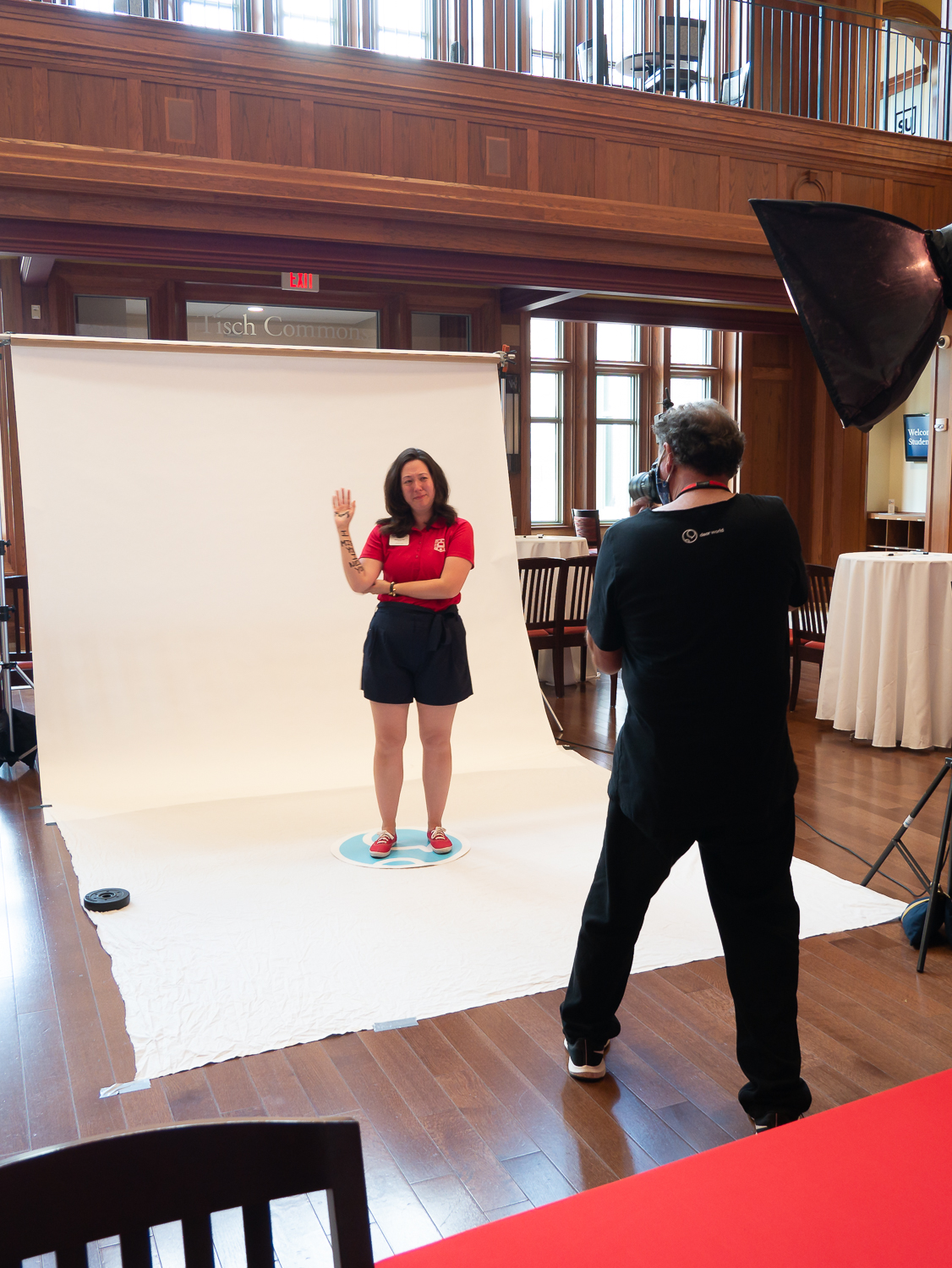
Organizations throughout the St. Louis region are incorporating professional headshot stations into:
Corporate conferences
Annual meetings
Leadership retreats
Sales meetings
Professional association conferences
Healthcare symposiums
Manufacturing leadership events
Human resource conferences
Executive summits
Chamber of Commerce events
Trade shows
Networking receptions
Attendees appreciate receiving something immediately valuable that continues benefiting their careers for years to come.
For employers, the investment extends even further by creating consistent, professional branding across the entire organization.
More Than Individual Portraits
While executive headshots are often the primary objective, conferences provide an excellent opportunity to capture a complete library of branding photography.
Additional photography may include:
Environmental business portraits
Executive leadership teams
Department managers
Speaker portraits
Award recipients
Panel discussions
Networking activities
Company culture photography
Team collaboration
Vendor interactions
Educational sessions
Client engagement
Behind-the-scenes moments
Together, these images become valuable marketing assets supporting websites, annual reports, recruiting campaigns, brochures, social media, and public relations.
Consistency Strengthens Your Brand
One of the greatest advantages of scheduling professional headshots during conferences is consistency.
Rather than collecting employee portraits over several years using different photographers, lighting styles, backgrounds, and editing techniques, organizations can update dozens—or even hundreds—of employee portraits during a single event.
The result is a polished, cohesive visual identity that reflects the professionalism of the entire organization.
Consistent headshots strengthen:
Corporate websites
Leadership directories
Internal communications
Employee recognition programs
Proposal teams
Sales presentations
Marketing collateral
Recruiting materials
Press releases
Investor communications
Supporting Human Resources and Recruiting
Human Resources departments increasingly recognize that employer branding begins with authentic people.
Professional employee portraits help prospective candidates connect with the individuals behind the organization. Recruiting websites featuring genuine employees create significantly stronger engagement than generic stock photography.
Conference headshot sessions also support:
New employee onboarding
Internal directories
Employee recognition
Leadership promotions
Career development initiatives
Company culture campaigns
Diversity and inclusion communications
For growing organizations, updating employee photography during annual meetings has become an efficient and cost-effective strategy.
Planning Creates Better Results
Successful conference headshot sessions involve more than simply setting up a camera.
Professional planning includes:
Portable studio lighting
Consistent backgrounds
Color-balanced lighting
Efficient attendee scheduling
Immediate image review
Professional posing guidance
Expression coaching
High-end retouching
Fast digital delivery
The goal is creating a relaxed experience that allows each individual to present their most confident and approachable professional image.
Creating Content Beyond the Headshot
While attendees are already present, organizations often maximize the production by capturing additional marketing assets.
These may include:
Executive interviews
Leadership messages
Employee testimonials
Customer success stories
Recruitment videos
Social media introductions
Thought leadership content
Department overviews
Company culture videos
Combining photography and video production during the same event creates an extensive content library that serves marketing, communications, sales, and human resources throughout the year.
The Long-Term Value of Professional Event Photography
A well-planned conference photography session delivers benefits long after the event concludes.
Professional images support:
LinkedIn profiles
Company websites
Annual reports
Proposal documents
Speaking engagements
Press releases
Industry publications
Social media campaigns
Email marketing
Corporate communications
Recruiting initiatives
Executive branding
Rather than viewing conference photography as simple event documentation, organizations increasingly recognize it as an investment in long-term brand development.
Why St Louis Headshots
St Louis Headshots has been helping businesses, corporations, healthcare organizations, manufacturers, professional service firms, educational institutions, nonprofits, and creative agencies throughout the St. Louis region present their people with confidence and professionalism for decades.
We specialize in executive headshots, business portraits, environmental portraits, leadership photography, team photography, and on-location mobile headshot studios that can be efficiently incorporated into conferences, meetings, trade shows, and corporate events. Whether photographing a handful of executives or hundreds of attendees over multiple days, we create a consistent, polished look that strengthens your organization’s visual identity.
Our portable professional lighting systems allow us to build a complete studio virtually anywhere, delivering the same high-quality results found in a dedicated photography studio. We provide expert posing and expression coaching to help every individual appear approachable, confident, and authentic, regardless of their previous experience in front of a camera.
Beyond headshots, we also capture team photography, environmental portraits, workplace branding imagery, event photography, and corporate lifestyle photography that supports websites, recruiting campaigns, annual reports, internal communications, and marketing initiatives.
Every image is professionally edited and optimized for today’s business needs, including LinkedIn, company websites, press materials, proposals, presentations, digital advertising, and social media. We also leverage the latest Artificial Intelligence tools to streamline image organization, selection, metadata management, and delivery while maintaining the craftsmanship and attention to detail that professional commercial photography demands.
When your conference or corporate event presents an opportunity to update your organization’s professional image, St Louis Headshots delivers the experience, equipment, lighting expertise, and efficient workflow needed to create exceptional portraits that continue working for your business long after the event has ended.
ERAS headshots have always been a required element of the application, but their role has shifted. With residency programs receiving record numbers of applications and relying more heavily on holistic, values-based review, admissions and program committees are spending less time per file — which means visual and video content is doing more work, faster, to communicate professionalism and fit.
A growing number of programs also now solicit optional or required short video statements, sometimes in lieu of (or in addition to) the traditional interview. These clips are typically 30–90 seconds, unscripted or lightly scripted, and designed to let programs assess communication style, presence, and authenticity — qualities that are difficult to convey through text alone. Institutions that get ahead of this trend and offer students professionally produced video assets, rather than leaving them to record on a phone in a dorm room, are giving their applicants a measurable edge.
The Real Cost Drivers Behind Headshot and Video Programs
When institutions evaluate options for producing ERAS headshots and video clips at scale, three cost drivers typically determine the final price tag:
1. Per-session versus batch production. Booking individual freelance photographers for one-off sessions is almost always the most expensive path per student, both in dollars and in coordination time. A batch-production model — where a crew sets up once and processes a continuous flow of students over one or several days — dramatically lowers the per-person cost while improving consistency across the cohort.
2. Studio versus improvised space. Converting a conference room or classroom into a temporary photo studio sounds cost-saving on paper, but it introduces hidden costs: rented lighting, backdrop rentals, extra crew time for setup and teardown, and inconsistent results if ambient light changes throughout the day. A dedicated, pre-lit studio space eliminates these variables entirely.
3. Post-production workflow. ERAS has specific technical requirements for photo files (JPEG format, defined pixel dimensions, and file size limits), and video clips often need to be trimmed, color-corrected, and exported in specific formats and aspect ratios depending on the program’s submission portal. Production teams with an efficient, partially automated post-production pipeline can turn around hundreds of finished assets in days rather than weeks — which directly affects labor cost.
Best Practices for a Cost-Efficient, High-Quality Program
Schedule in structured blocks, not open-ended windows. Assigning students to 10–15 minute time slots across a single day or a few consecutive days allows a production crew to maintain lighting and camera settings, minimizing setup changes and maximizing throughput.
Standardize wardrobe and background guidance in advance. Sending students a simple one-page guide on appropriate attire (white coat or business professional, depending on program preference) and grooming reduces retakes and keeps the visual identity of the cohort consistent.
Use a single controlled environment for both photo and video. Capturing headshots and video clips in the same studio setup, back-to-back, means students only need to show up once — saving both their time and the institution’s coordination overhead.
Build in light direction and coaching. A brief, calm prompt from an experienced director — helping a nervous student relax their shoulders or find a natural starting sentence for their video clip — measurably improves outcomes without adding significant time per session.
Plan for revisions and late additions. Residency application cycles include students who join late, need retakes, or require updated assets the following year. A production partner with retained lighting setups, style notes, and file archives can accommodate these requests without re-creating the entire production from scratch.
What to Look for in a Production Partner
Not every commercial photography or video vendor is equipped to run an efficient, high-volume ERAS session. Decision makers should look for a partner that offers:
A dedicated studio space (versus mobile-only services), to control lighting and eliminate rental costs
Experience with structured, high-volume scheduling for cohorts, not just individual bookings
Familiarity with ERAS technical specifications for both photo and video file delivery
A streamlined, technology-assisted post-production workflow to control turnaround time and cost
The flexibility to scale from a small residency class to a large medical school cohort
Choosing a partner with these capabilities up front — rather than assembling ad hoc freelance talent each cycle — is consistently the single biggest lever for controlling cost while raising the quality bar for every student’s application.
About St Louis Headshots
St Louis Headshots is a full-service professional commercial photography and video production company, partnering with medical schools, GME offices, hospital systems, businesses, marketing firms, and creative agencies throughout the St. Louis area. We bring the right equipment and an experienced creative crew to every project, ensuring successful image acquisition from the first frame to final delivery.
St Louis Headshots offers full-service studio and location video and photography, along with editing, post-production, and licensed drone services — all customizable to the diverse media requirements of programs like ERAS headshot and video initiatives. Our private studio lighting and visual setup is ideal for structured, high-volume sessions like residency headshots and short video clips, while our studio space is also large enough to incorporate props and set elements for more involved productions. We support every aspect of production, from setting up a custom interview or headshot studio to supplying professional sound and camera operators and all necessary equipment, ensuring a seamless, efficient experience for coordinators and students alike.
We’re well-versed in every file type and media style required by platforms like ERAS, and we apply the latest in artificial intelligence across our media services to streamline post-production and speed up turnaround without compromising quality. Beyond headshots and video clips, our team specializes in repurposing photography and video branding to help institutions gain more traction from the assets they’ve already invested in, along with location scouting and b-roll production for broader marketing needs.
Every business event your organization stages represents a deliberate investment of budget, planning resources, staff time, and organizational credibility. Conferences, seminars, product launches, award ceremonies, annual meetings, client hospitality events, trade show appearances, and corporate milestones all carry real costs — and real opportunities. The question that separates organizations building lasting brand equity from those simply executing a calendar is this: what happens to the value of that event after it ends?
For the overwhelming majority of business events, the answer is: not enough.
Professional event video and photography are the mechanisms by which a time-limited gathering becomes an enduring marketing asset. When executed with strategic intent and production discipline, cost-efficient event documentation does not mean cutting corners — it means capturing more usable value per dollar invested than an underprepared or misdirected production ever could. This article examines what that looks like in practice, and why the organizations that get it right are building content advantages their competitors are not.
Reframing the Economics of Event Documentation
The single most important reframe available to marketing and communications decision-makers is this: event video and photography are not a service you purchase. They are an asset class you are acquiring.
That distinction changes every downstream decision — how you budget for production, what you ask of your production partner, how you plan your event logistics to accommodate documentation, and how you evaluate the return on what you spend.
A well-documented business event yields assets with active shelf lives measured not in days but in months and years. Executive interviews captured on-site inform your thought leadership program. Audience imagery communicates organizational vitality on your website and in your annual report. Speaker highlight clips anchor your social media content calendar. Event recap videos drive registration for next year’s program. B-roll footage of your team, your culture, and your community presence serves your recruitment marketing, your investor relations materials, and your sales enablement library.
None of that requires a separate production budget for each application. It requires one production day, planned intelligently, executed professionally, and post-produced by a team that understands how to extract maximum value from the assets captured.
That is cost-efficient event production.
Where Cost Efficiency Is Actually Created
Decision-makers who approach event production by shopping for the lowest day rate are optimizing the wrong variable. Cost efficiency in professional production is generated at three specific points in the production process — and only one of them happens on the day of the event itself.
Pre-Production: Where the Largest Savings Are Made
Pre-production is the phase that separates production partners from vendors. A vendor shows up. A production partner plans with you.
The pre-production process for a business event should include a thorough briefing on your marketing objectives, a review of the event program and run-of-show, a venue assessment addressing lighting conditions and acoustic environment, a detailed shot list prioritizing the moments your content strategy requires, a deliverables map specifying every output format and distribution channel, and a crew and equipment plan matched precisely to the documented needs — not to a standard template.
Every gap in this process becomes a cost at the production or post-production phase. A crew that arrives without a shot list improvises coverage. Improvised coverage misses priority moments, generates inconsistent footage, and creates inefficiency in the edit suite. A deliverables map that is not established before the shoot results in footage that may not serve the formats your platforms require — and attempting to adapt it in post-production costs time and compromises quality.
Invest in pre-production. It returns that investment many times over.
Production Day: Efficiency Through Expertise
On the day of your event, cost efficiency is a product of crew experience, equipment appropriateness, and production discipline. Each of these deserves attention.
Crew experience is the most leverageable variable in production-day cost efficiency. An experienced camera operator anticipates action, positions correctly for light and composition, and manages their coverage so the edit suite receives clean, well-structured material. An experienced audio technician identifies acoustic problems before they contaminate the recording. An experienced producer manages the run-of-show against the shot list, ensures that priority captures are not missed, and makes real-time decisions that protect the integrity of the deliverables without disrupting the event itself.
Experience compresses production time, reduces errors, and generates better source material — all of which reduce post-production costs and improve final output quality. The rate differential between experienced and inexperienced crew is consistently recovered, and usually exceeded, in post-production savings alone.
Equipment appropriateness means selecting the camera systems, audio configurations, and lighting solutions that are correct for your event environment — not the most impressive equipment available, and not the least expensive. A proper equipment assessment considers ambient light quality, the acoustic characteristics of the venue, the physical scale of the event, the movement patterns of subjects, and the technical requirements of your final deliverables. Matching equipment to environment is both a quality and an efficiency decision.
Production discipline means the crew is working from a plan. Positions are established. Priority moments are flagged on the run-of-show. Audio is checked and confirmed before the first session begins. The photographer and videographer are coordinating coverage rather than duplicating it. The producer is tracking the schedule and communicating adjustments. This level of operational organization does not happen by accident — it is the product of pre-production investment and professional execution standards.
Post-Production: The Phase Where Source Material Quality Pays Dividends
Post-production is where the full return on professional production standards becomes visible. Well-captured footage — properly exposed, cleanly recorded, deliberately framed — moves through the editing process efficiently. It cuts well, grades cleanly, and supports the titles, graphics, and music that complete a professional video deliverable.
Poorly captured source material creates compounding friction through every stage of post-production. Color correction of severe exposure problems introduces noise and artifacts. Audio remediation of flawed recordings is time-intensive and produces inferior results. Footage that was not framed to accommodate the deliverable format requires cropping compromises. Every hour of remediation adds cost and reduces quality simultaneously.
The most economical post-production process begins on production day, with source material captured at professional standards. There is no shortcut to this outcome, and no post-production tool — including modern AI-assisted editing and restoration technology — fully compensates for inadequate source material.
The Strategic Value of On-Site Interview and Testimonial Capture
Among the most underutilized opportunities in business event production is the systematic capture of interviews and testimonials from the stakeholders your event has gathered in one place.
Consider the typical attendee profile of a corporate conference, industry summit, or client event. In the room, you may have satisfied customers who have experienced measurable results from your product or service. You have subject matter experts whose perspectives have value to your target audience. You have organizational leadership whose vision and voice are assets to your marketing and communications program. You have partners, vendors, and collaborators who can speak credibly to the quality of your organization.
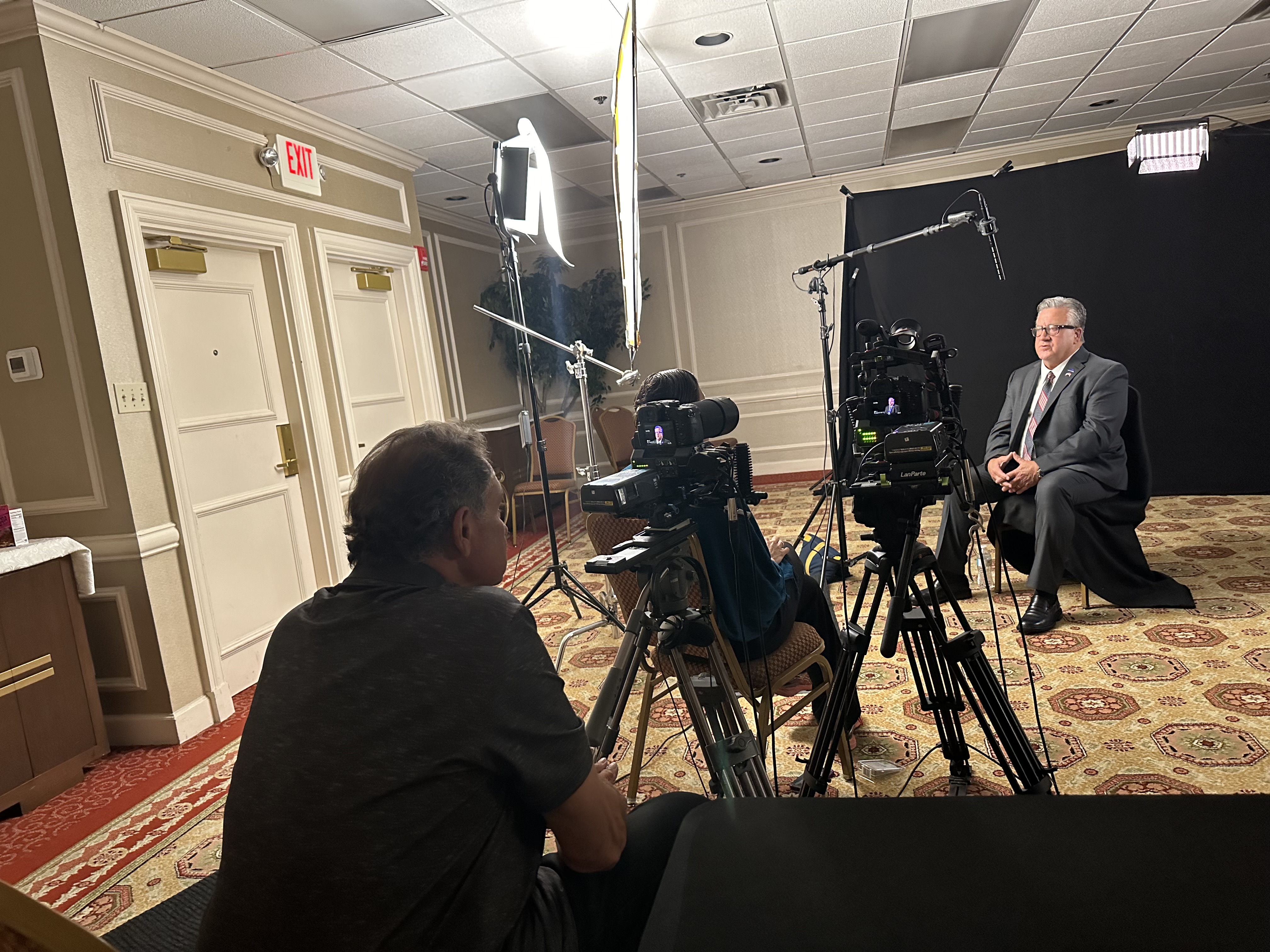
Under normal circumstances, assembling these people for structured interview capture requires weeks of scheduling coordination, individual production mobilizations, and the cumulative cost of multiple production engagements. Your event has already done the assembly work. A professional production team with the right equipment, a suitable interview setup, and a structured question framework can capture this content in the margins of your event day — between sessions, during registration, over lunch, before or after the formal program.
The incremental cost of this capture, relative to a standalone interview production program, is minimal. The content value — authentic voices from real stakeholders, captured with professional quality — is substantial and immediately deployable across your marketing, sales, and communications channels.
If your production plan does not include structured on-site interview capture, it is leaving significant content value on the table.
Photography at Business Events: A Discipline That Demands Dedicated Attention
Still photography at business events is consistently under-resourced and under-planned relative to video production — and the cost of that neglect is measured in missed opportunities and inadequate assets.
Professional event photography serves a wide range of organizational needs that video does not and cannot replace. Press and media outlets require still photographs. Website and digital presence photography is primarily still imagery. Annual reports, board presentations, and investor communications rely heavily on photography. Social media content calendars require a sustained flow of high-quality still images. Sales and proposal materials use photography to communicate credibility, scale, and culture.
The business events on your calendar are among the most efficient environments for generating this photography. Your leadership is present. Your team is engaged. Your community of clients and partners is assembled. The energy, scale, and human dimension of your organization are on display in ways that are difficult and expensive to recreate in a controlled production environment.
Capturing this effectively requires a dedicated professional photographer — not a videographer doubling on a secondary camera, not a staff member with a capable consumer device, but an experienced commercial photographer with appropriate equipment, a clear photographic brief, and the editorial instincts to identify and capture the moments, environments, and people that serve your brand.
Plan for photography with the same intentionality you bring to video. Develop a shot list. Identify the must-capture moments and the priority subjects. Brief the photographer on your brand standards, your content channels, and the specific applications the photography needs to serve. That investment in preparation produces assets of materially greater value than photography captured opportunistically without a plan.
Multi-Platform Repurposing: Compounding the Return on Your Production Investment
The content captured at your business event does not have a single application. It has an ecosystem of applications — and organizations that understand this structure their production investment to serve the full ecosystem rather than a single deliverable.
A one-day business event, documented professionally with post-production repurposing strategy in mind, can yield:
A full-length event archive for internal records and reference. A three-to-five-minute highlight video for your website and YouTube channel. A ninety-second social recap for LinkedIn and Facebook. A series of thirty-second speaker quote clips for ongoing social posting. A fifteen-second promotional teaser for your next event. Individual session recordings for attendee follow-up and on-demand access. On-site interview segments edited as standalone thought leadership pieces. Photography galleries for your website, press distribution, and social media. Individual speaker and executive portraits extracted from the event environment. Ambient and environmental B-roll edited as brand video content for use in future productions.
This is not an aspirational list. It is a practical deliverables framework that an experienced production team with a clear post-production strategy can build from a single event production engagement. Every item on that list serves a different audience, channel, and organizational objective — and all of it originates from the same production day.
This is the compound return on a cost-efficient event production investment. The organizations that understand and plan for this outcome are not spending more on event documentation. They are spending the same amount — and getting substantially more from it.
Aerial Coverage and Specialized Production Capabilities
For events with outdoor components, distinctive venue environments, or productions that benefit from aerial perspective, licensed drone services represent one of the most cost-effective ways to elevate production value at the business event level.
An aerial establishing shot of your conference venue communicates scale and organizational stature. Overhead drone footage of an outdoor activation, a campus event, or an experiential marketing program adds a visual dimension that ground-level coverage cannot replicate. Dynamic drone movement through an architectural environment creates visual interest that distinguishes your event content from the enormous volume of flatly-shot corporate video published every day.
When incorporated into an existing event production engagement, drone coverage adds modest incremental cost relative to its impact on the visual quality of your final deliverables. For organizations in sectors including real estate, construction, environmental services, facilities management, and municipal government, specialized drone capabilities — including infrared thermal imaging, orthomosaics, and LiDAR data acquisition — extend the value of an event production engagement into operational and analytical applications.
The Questions to Ask Before Commissioning Event Production
For decision-makers evaluating production partners and building an event documentation plan, these are the questions that distinguish strategic production investment from unfocused spending:
What are the specific deliverables this production needs to generate? Define outputs before the production day, not after. Include format, length, platform, and intended audience for each deliverable.
Does the production partner’s pre-production process reflect genuine planning capability? A production partner who does not ask about your marketing objectives, your distribution channels, or your post-production deliverables before providing a quote is not planning with you. They are quoting a day rate.
Is audio being treated as a primary production consideration? Ask explicitly how audio will be captured, what equipment will be used, and how the production team handles the acoustic variables of your specific venue. Inadequate audio is the most common cause of otherwise well-shot event video being unusable.
How will photography be resourced and directed? Confirm that photography has a dedicated professional with a clear brief — not secondary coverage from the video crew.
What is the post-production workflow and timeline? Understand how the production partner manages the editing and delivery process, what their revision policy is, and how deliverables will be formatted for your specific distribution channels.
Is there a repurposing strategy built into the engagement? A production partner who thinks beyond the primary deliverable and helps you plan for multi-platform content extraction is delivering materially more value than one who does not.
St. Louis Headshots: Your Full-Service Production Partner Since 1982
For organizations throughout the St. Louis area and beyond, St. Louis Headshots has been a trusted production partner for businesses, marketing firms, and creative agencies since 1982 — bringing more than four decades of professional commercial photography and video production experience to every client engagement.
We are a full-service studio and location video and photography company, offering complete editing, post-production, and licensed drone services under one roof. Every engagement we take on is supported by the right equipment, the right creative crew, and the production experience necessary to ensure successful image acquisition — regardless of whether your project takes place in our private studio facility or on-location at your event venue.
Our private studio is purpose-designed for professional productions — a controlled lighting and visual environment optimized for interview scenes and small-scale productions, with sufficient space to incorporate props and set elements that complete your on-camera environment. When your production requires location work, our location scouting expertise and dedicated B-roll specialists ensure that every environment is captured with the same intentionality and visual quality we bring to controlled studio productions.
We support every aspect of your production from initial planning through final file delivery. That includes building a private, custom interview studio at your event venue, supplying professional sound and camera operators, providing the right equipment configuration for your specific environment, and managing the post-production workflow that transforms your event footage and photography into polished, platform-ready content.
Our drone services extend well beyond standard aerial photography. We operate specialized FPV drones capable of indoor flight — opening distinctive creative possibilities for trade show floors, interior architectural environments, facility productions, and experiential events where conventional aerial equipment cannot operate. Our advanced drone capabilities also encompass infrared thermal imaging, orthomosaics, and LiDAR scanning for clients in industries where specialized aerial data acquisition serves operational and analytical needs.
Repurposing your video and photography assets to generate sustained brand traction across platforms is a specialty we bring to every client relationship. We are fluent in all file types, media formats, and the software ecosystems that support contemporary content distribution. We incorporate the latest Artificial Intelligence tools across our media services to enhance workflow efficiency, creative output quality, and the final value of every deliverable we produce.
St. Louis Headshots can customize your production for the full range of media requirements your organization faces — from a single polished event highlight video to a comprehensive multi-platform content program built from a single production engagement.
Your events are generating content opportunities every time they happen. The question is whether your production strategy is capturing them.
St. Louis Headshots | Full-Service Commercial Photography & Video Production | St. Louis, Missouri | Serving Businesses and Organizations Since 1982
In the modern digital landscape, the “handshake” has moved from the lobby to the LinkedIn feed. For attorneys, consultants, and professional service providers, social media isn’t just a platform for visibility—it’s a critical tool for establishing authority, accessibility, and trust. Decision-makers today aren’t just looking for a list of credentials; they are looking for a personality they can rely on. Short-form video clips have become the most effective way to humanize a practice while demonstrating expertise in a digestible format.
The Strategic Value of Short-Form Video
Social media algorithms prioritize video content because it drives engagement. For professional services, this presents a unique opportunity to bridge the gap between complex jargon and client relatability.
Establishing Thought Leadership: A 60-second clip explaining a recent regulatory change or a common legal pitfall positions you as the go-to expert.
Building Empathy and Trust: High-quality video allows potential clients to see your demeanor and hear your voice, breaking down the intimidating barriers often associated with legal and professional firms.
Micro-Learning Moments: Viewers are more likely to watch a quick “How-To” or “FAQ” video than read a 2,000-word white paper.
Quality is Your Silent Partner
When a firm produces low-quality, poorly lit, or muffled video content, it inadvertently sends a message about their attention to detail. In professional services, the medium is the message. High-end production values—crisp audio, cinematic lighting, and purposeful editing—reflect the precision and excellence of the services you provide.
Maximize Your ROI through Strategic Repurposing
One of the most common mistakes in marketing is treating video as a “one-and-done” asset. A single high-quality interview session can be the “hero” content that feeds your entire marketing engine for months.
The Pillar Video: A high-end brand story or foundational interview.
Social Cuts: Extracting 30-to-60-second “gold nuggets” for LinkedIn, X, and Instagram.
Transcribed Content: Converting video insights into blog posts or newsletters.
Visual Stills: Using high-resolution frames from the video as professional photography for your website.
Your Vision, Our Execution: The Haller Concepts Advantage
At Haller Concepts, we don’t just “hit record.” We are a full-service professional commercial photography and video production company with the creative pedigree and technical infrastructure to ensure successful image acquisition every time.
Why Partner with Haller Concepts?
Since 1982, we have served as the premier choice for businesses, marketing firms, and creative agencies in the St. Louis area. Our experience spans over four decades of evolving media requirements, ensuring your brand stays ahead of the curve.
Comprehensive Studio & Location Services: Our private studio features a sophisticated lighting and visual setup perfect for small productions and interview scenes. The space is large enough to incorporate custom props to round out your set, providing a polished, professional atmosphere.
Elite Technical Capabilities: We utilize the latest in Artificial Intelligence to enhance our media services, ensuring your content is optimized for modern standards. We are well-versed in all file types, styles, and accompanying software.
Aerial Excellence: From licensed drone services to specialized FPV drones capable of flying indoors, we capture perspectives others can’t. Our advanced drone services also include Infrared Thermal, Orthomosaics, and LiDAR.
The Full Production Lifecycle: We support every aspect of your production. We provide location scouting, b-roll specialists, professional sound, and expert camera operators. From the initial concept to the final post-production edit, we ensure your project is seamless.
Strategic Repurposing: We specialize in customizing and repurposing your photography and video branding to gain more traction across diverse media platforms.
Whether you need a custom interview studio or on-location b-roll that captures the heart of your firm, Haller Concepts has the equipment, the crew, and the experience to bring your professional narrative to life.
Ready to elevate your firm’s digital presence? Let’s build something impactful.
A strong headshot is more than a flattering portrait. For businesses and organizations, it is a branding asset, a trust signal, and often the first visual introduction between your people and your audience. Whether the image appears on a website, LinkedIn profile, proposal, media kit, speaking engagement page, internal directory, or recruiting campaign, the quality and consistency of a headshot influences how your organization is perceived.
At St Louis Headshots, we work with decision makers who understand that photography is not just about taking pictures. It is about representing people well, aligning with brand standards, and producing useful visual assets efficiently. One of the most common questions we hear is whether headshots should be photographed in a professional studio or at the client’s location. The answer depends on your goals, your team size, your schedule, your brand style, and how you plan to use the final images.
The good news is that both approaches can be highly effective when they are planned and executed correctly. For individuals, a studio session may provide the highest level of control and polish. For companies with multiple team members, an on-location setup may offer the best balance of consistency, convenience, and productivity. In many cases, the ideal solution is not choosing one over the other in every situation, but understanding which environment best supports the purpose of the headshots.
Why Professional Headshots Matter More Than Ever
Today’s business communication is highly visual. Buyers, recruits, investors, partners, and media contacts often encounter your team online before they ever meet anyone in person. When those viewers see polished, current, and consistent headshots, it reinforces professionalism and credibility. When the images are dated, inconsistent, poorly lit, or casually cropped from other photos, the opposite can happen.
Professional headshots help organizations in several ways. They present leadership and staff with confidence and clarity. They create a more unified visual identity across websites and marketing materials. They support recruiting by showing a real, approachable team. They also improve the quality of proposals, presentations, social channels, press materials, and internal communications.
For individuals, a professional headshot can influence how seriously you are taken in your market. For companies, headshots are not just personal branding tools. They are part of the organization’s overall brand system.
The Case for Studio Headshots
Studio headshots remain the gold standard for many professionals because they provide maximum control over the visual result. In a studio environment, the photographer controls the lighting, background, camera angle, and overall styling with precision. That consistency is especially valuable when the goal is to create a clean, polished, timeless image.
A studio setting is ideal for executives, attorneys, consultants, sales professionals, physicians, and other individuals who want a refined headshot that can be used across multiple platforms for several years. It is also highly effective for organizations that want a classic and uniform look for leadership teams or employee directories.
One of the biggest advantages of a studio session is predictability. There are no weather concerns, no shifting natural light, and no need to work around office traffic or environmental distractions. Every detail can be shaped to support the intended look, whether that means a crisp white background, a sophisticated gray tone, a dramatic dark backdrop, or a custom lit corporate style.
Studio sessions also tend to put many subjects at ease once they realize the environment is designed specifically for portrait work. The lighting is flattering, the setup is professional, and the photographer can focus completely on expression, posture, and subtle direction. For people who do not enjoy being photographed, that focused environment often produces better results.
When On-Location Headshots Make the Most Sense
On-location headshots offer a different kind of value. For many businesses, the greatest benefit is efficiency. Instead of moving an entire team off-site, the production team brings the studio to you. This allows employees, executives, physicians, sales teams, or department leaders to be photographed in a familiar setting with minimal disruption to the workday.
For organizations scheduling multiple team members, on-location headshots can be the smartest operational decision. A conference room, lobby, open office area, or designated production space can often be transformed into a professional portrait setup. With the right lighting, backgrounds, and workflow, the results can be highly polished and consistent.
There is also a branding advantage to photographing at your location when the environment matters. Some companies want their workplace reflected subtly in the image. A modern office, an architectural feature, a lab, a production floor, or a branded interior can provide visual context that supports the organization’s identity. Environmental headshots can feel more natural, more contemporary, and more connected to the business itself.
For firms with busy leadership, healthcare practices with limited downtime, and companies trying to update dozens or hundreds of staff portraits, on-location photography is often the most practical way to complete the project without losing quality.
Studio Versus On-Location: What Decision Makers Should Consider
The choice between studio and on-location headshots should not be based only on convenience. It should be guided by the intended use of the images and the level of consistency required.
If your goal is the most controlled, timeless, and polished portrait possible, studio photography usually has the advantage. If your goal is to photograph a large group efficiently while keeping a professional look consistent across many people, an on-location setup may be the better solution.
There are several practical considerations that should shape the decision.
Brand style: Does your organization want a classic, neutral headshot or something more environmental and modern?
Team size: A single executive or small leadership group may benefit from a studio experience. A larger organization often benefits from bringing the setup on-site.
Scheduling: If employees have limited availability, on-location sessions reduce travel and keep the process moving.
Consistency over time: If you plan to photograph new hires periodically, it is important to establish a repeatable style, whether in the studio or with a portable on-location setup.
Space and logistics: Some locations are ideal for mobile production. Others are noisy, crowded, or visually distracting and may benefit from studio scheduling instead.
Usage needs: Website team pages, social profiles, recruiting materials, proposals, presentations, and press kits may each call for slightly different framing or styling.
A well-run headshot project begins by asking these questions before the first light is set.
Headshots for Individuals: More Than Just a Nice Picture
For an individual professional, a headshot should communicate approachability, competence, and confidence without looking forced or overly stylized. That balance is harder to achieve than many people realize. Wardrobe, posture, lighting, lens choice, background, and expression all influence the final impression.
A strong headshot should feel current and believable. It should look like the person on their best day, not like a version of them that feels overly retouched or disconnected from real life. The best headshots are polished enough for marketing use but authentic enough to build trust.
This is where experienced direction matters. Most people are not professional models, nor should they need to be. An experienced photographer knows how to coach subtle shifts in posture, chin angle, shoulder position, facial expression, and eye line so the image feels natural and confident. That guidance is often the difference between a usable photo and one that truly works.
Headshots for Multiple Team Members: Consistency Is the Real Challenge
Photographing a team is not just a larger version of photographing one person. It is a workflow challenge, a branding exercise, and a production task that requires coordination. The success of a multi-person headshot project depends on consistency in lighting, framing, posing guidance, background, color, file handling, and delivery.
Decision makers often underestimate how important that consistency becomes once the images are placed together on a website or in company materials. If one person is photographed too tightly, another too loosely, one image is warmer, another cooler, one background darker, another brighter, the team page starts to feel disjointed. Even if each individual image is acceptable on its own, the collection may not support the brand well.
That is why professional team headshot production should be approached as a system. The session design should account for scheduling, setup, subject flow, image review, naming conventions, and final delivery specifications. The process should feel organized to the client and efficient to the people being photographed.
For large organizations, it is also smart to think beyond the single session. A headshot style should be established in a way that can be replicated for future hires, leadership changes, and updated branding needs.
The Importance of Making People Comfortable
One overlooked part of headshot photography is the human side of the session. Many executives and employees do not look forward to being photographed. Some are rushed. Some are self-conscious. Some simply want to get through the session as fast as possible.
An experienced photographer understands that great headshots are not created only through technical ability. They are also created by building comfort quickly. The subject needs clear direction, efficient pacing, and a sense that they are in capable hands.
This becomes even more important during team sessions. If the process feels chaotic or awkward, it affects expressions and body language. If the process feels easy and professional, people tend to relax and photograph better. That is one reason experienced production matters so much. The technical setup is only part of the job. Managing people well is equally important.
Planning for Better Results
The best headshot projects begin before the camera comes out. Clear planning improves both the experience and the outcome.
That planning typically includes deciding on wardrobe direction, background style, image usage, preferred cropping, retouching approach, and the schedule for each person or department. For team sessions, it also helps to decide how many final images each person needs and whether multiple looks or expressions are required.
Organizations should also think about file delivery early. Will images be needed in both high resolution and web resolution? Should the final files be named by employee name and department? Will the images need to be formatted for LinkedIn, website profiles, media releases, or internal systems? These details matter because they affect how usable the assets are after the shoot.
A headshot session should not end with a folder of unlabeled files and unanswered questions. It should result in organized, usable assets that support marketing, communications, and brand management.
Beyond the Headshot: Building a Stronger Visual Brand
For many businesses, a headshot session is also an opportunity to strengthen the broader visual library. While photographing individual team members, it may make sense to capture group shots, environmental portraits, office culture photography, interview video, or supporting brand visuals. This is especially valuable for companies refreshing a website, updating recruitment materials, launching a rebrand, or building a stronger content library for ongoing marketing.
That is where a full-service production approach adds real value. A headshot project does not have to be isolated from the rest of your marketing efforts. It can be integrated into a broader content strategy that makes your people, workplace, and brand more visible across multiple platforms.
Choosing the Right Partner
A headshot photographer should do more than show up with a camera. The right production partner helps you define the look, manage the logistics, direct the subjects, maintain consistency, and deliver assets that are immediately useful to your team.
That matters whether you are scheduling one executive portrait or coordinating dozens of team members at your location. The right partner understands the demands of branding, workflow, scheduling, and professional image standards. They know how to balance visual quality with operational efficiency.
For organizations, this is not just a photography decision. It is a communications and branding decision.
Professional Headshots That Fit Your Organization
Whether you need a polished studio headshot for yourself, a streamlined on-location session for your team, or a complete company-wide update of employee portraits, the most effective approach is the one that aligns with your brand, your people, and your workflow.
A studio session offers control, polish, and timeless consistency. An on-location session offers efficiency, convenience, and the opportunity to bring the production directly to your workplace. Both can deliver excellent results when handled by an experienced team that understands not only lighting and composition, but also branding, logistics, and the needs of modern organizations.
At St Louis Headshots, we know that successful headshots are not accidental. They are planned, directed, and produced with purpose.
Why Businesses Trust St Louis Headshots
St Louis Headshots is an experienced full-service professional commercial photography and video production company with the right equipment and creative crew service experience for successful image acquisition. We offer full-service studio and location video and photography, as well as editing, post-production, and licensed drone services. St Louis Headshots can customize your productions for diverse types of media requirements, whether you need executive headshots, team portraits, marketing imagery, branded video, or broader visual content for campaigns and communications.
Repurposing your photography and video branding to gain more traction is another specialty. We are well-versed in all file types and styles of media and accompanying software, helping clients create assets that are practical, flexible, and ready for real-world marketing use. We also use the latest in Artificial Intelligence for all our media services, supporting efficient workflows and expanded creative possibilities.
Our private studio lighting and visual setup is perfect for small productions and interview scenes, while our studio is large enough to incorporate props to round out your set. We support every aspect of your production, from setting up a private, custom interview studio to supplying professional sound and camera operators, as well as providing the right equipment, ensuring your next video production is seamless and successful. We can fly our specialized drones indoors.
Since 1982, St Louis Headshots has worked with many businesses, marketing firms, and creative agencies in the St. Louis area for their marketing photography and video. That experience gives our clients confidence that whether the assignment takes place in our studio or at your location, for one person or an entire team, the final result will be professional, consistent, and aligned with your brand.
In business marketing, a headshot is rarely “just a photo.”
It is often the first visual introduction a potential client, hiring candidate, investor, donor, or partner sees before a conversation ever begins. It appears on websites, LinkedIn profiles, pitch decks, press releases, proposals, conference materials, internal directories, recruiting pages, email signatures, and social platforms. For many organizations, headshots quietly shape first impressions every day.
That is why decision makers should think beyond the question, “How much do headshots cost?” and instead ask, “What is the most economical way to produce professional headshots that support our brand, save time, and deliver long-term value?”
The answer is not always the lowest price. The most economical choice is the option that delivers consistent, usable, brand-aligned images efficiently—with minimal disruption, fewer reshoots, and a stronger visual return across multiple marketing channels.
At St Louis Headshots, we approach headshot production with that business-first mindset.
Why “Economical” Should Mean More Than “Cheap”
In commercial photography and video production, “economical” means cost-effective, reliable, and strategically useful.
A low-cost headshot session can become expensive if it creates problems such as:
inconsistent lighting across team members
poor color or skin tone rendering
awkward posing that undermines confidence
mismatched backgrounds across departments
limited file usability for web, print, and social
slow turnaround
reshoots due to avoidable technical issues
When organizations plan headshots correctly, they reduce hidden costs and gain a visual library that can be reused for months or years.
A professional headshot program becomes even more economical when it is designed to support multiple business goals at once, including:
branding consistency
recruiting and employer branding
executive visibility
sales team credibility
public relations readiness
website refreshes
internal communications
event and conference marketing
The key is to build a headshot process that supports both image quality and operational efficiency.
What Business Decision Makers Actually Need from a Headshot Partner
Marketing directors, HR teams, operations leaders, and agency partners typically need more than a photographer with a camera. They need a production partner who understands deadlines, approvals, brand standards, and organizational logistics.
For headshot projects to run smoothly, businesses often require:
1) Consistency Across People and Time
Professional organizations need headshots that look cohesive even when they are photographed on different days or at different locations. Consistency in lighting, lens choice, framing, and color treatment is essential for a polished brand presence.
2) Efficient Scheduling and Throughput
Executives and staff are busy. A well-run session keeps the line moving, gives each subject enough time to look their best, and avoids creating a bottleneck for the workday.
3) Confidence-Building Direction
Most people are not comfortable in front of a camera. Experienced direction matters. Small adjustments in posture, chin angle, shoulder position, expression, and eye line can make a major difference in how competent and approachable someone appears.
4) Flexible Deliverables
Organizations need images for different uses and formats—vertical, square, and horizontal crops; high-resolution files for print; web-optimized files for websites and social; and sometimes transparent-background or design-friendly versions.
5) Brand Alignment
A law firm, healthcare organization, manufacturing company, startup, university, and nonprofit should not all look the same. Backgrounds, lighting style, expression range, wardrobe guidance, and retouching should support the brand’s actual tone and audience.
When these priorities are addressed upfront, headshot production becomes far more economical because the results are useful immediately and remain useful longer.
The Strategic Role of Headshots in Modern Marketing
Headshots are no longer limited to the “About Us” page.
Today, they are part of a broader visual communication system. Organizations that treat headshots strategically can strengthen trust and improve brand cohesion across platforms.
Executive Branding
Leadership visibility matters. Consistent executive portraits support keynote announcements, trade media outreach, investor communications, and thought-leadership publishing.
Recruiting and Employer Branding
Candidates often evaluate a company’s culture visually. Professional headshots of team members can make career pages feel more credible and human.
Sales Enablement
Prospects are more likely to engage when sales teams present themselves professionally in email signatures, LinkedIn, proposal decks, and CRM-integrated outreach tools.
PR and Media Readiness
When a media request arrives, organizations often need a headshot immediately. A professionally maintained image library prevents last-minute scrambling and low-quality substitutions.
Internal Communications
Headshots improve employee directories, intranet profiles, training materials, and internal announcements—especially in larger organizations where teams may not work face to face.
In other words, headshots are an operational asset, not just a creative deliverable.
How to Keep Headshots Professional and Economical
Organizations can improve results and control costs by planning headshots as a production system rather than a one-off photo appointment.
Here are practical ways to do that:
1) Define the Purpose Before the Shoot
Not all headshots should look the same. Start by identifying where the images will be used:
LinkedIn and social profiles
website team pages
annual reports
speaking engagements
press kits
recruiting pages
proposals and presentations
This helps determine framing, styling, background, and retouching requirements before production begins.
2) Standardize Brand Visuals
Create a simple headshot standard for your organization:
A standard reduces indecision, speeds approvals, and keeps new hires consistent with existing team imagery.
3) Choose the Right Production Setup
For some organizations, a studio session is ideal. For others, on-location production is more efficient. A professional production team can recommend the best approach based on:
number of people
available space
timeline
brand look
privacy needs
whether video interviews or other content should be captured the same day
This is where experience creates real savings. The right setup avoids delays, compromises, and reshoots.
4) Bundle Headshots with Additional Content
One of the best ways to improve value is to combine headshots with other visual needs during the same production window.
For example, the same day can often include:
environmental portraits
team photos
workplace candids
executive interviews
testimonial video clips
b-roll footage of operations or office activity
When planned correctly, this approach reduces setup redundancy and creates a stronger content library from a single production day.
5) Prepare Your Team
Simple preparation improves outcomes and speeds production:
send wardrobe guidance in advance
schedule in organized time blocks
communicate image usage goals
designate an internal coordinator
reserve a quiet, controlled space (for on-location sessions)
align on selection and approval workflow
Prepared subjects photograph better, and prepared organizations move faster.
What Separates Professional Headshots from Average Headshots
Business audiences respond to quality even if they cannot describe every technical reason why. The difference is usually a combination of craftsmanship and subject direction.
Professional headshots typically stand out because of:
intentional lighting that flatters the subject and supports the brand
lens and camera choices that avoid distortion
precise focus and sharpness where it matters
natural skin tones and controlled color balance
confident posing and expression coaching
polished retouching that looks professional, not artificial
consistent output across a full team
A strong headshot communicates competence, approachability, and trust. An average one can unintentionally communicate the opposite.
Headshots and Video: Why Decision Makers Should Plan Them Together
Today’s brands need motion and still imagery working together.
If your organization is already coordinating headshots, it is often the right time to consider related video needs—especially executive messaging, recruiting content, customer testimonials, or interview-based marketing pieces.
Why combine them?
shared scheduling reduces disruption
shared setup lowers production redundancy
unified lighting and visual style strengthen branding
teams are already camera-ready
marketing gets more usable assets from one coordinated project
For companies trying to maximize budget impact, combining still and video production can be one of the smartest moves they make.
The ROI of a Well-Run Headshot Program
A professional headshot program pays off in ways that are both visible and operational.
Visible ROI
stronger first impressions
better brand consistency
improved professionalism across digital channels
more polished marketing and PR materials
Operational ROI
fewer reshoots
faster rollout for new hires
easier website and directory updates
ready-to-use media assets when opportunities arise
reduced internal time spent coordinating ad hoc photo requests
When organizations stop treating headshots as an afterthought and start treating them as brand infrastructure, the value compounds.
Choosing a St. Louis Headshot Partner for Business Needs
If you are evaluating providers for commercial headshots in St. Louis, look for a team that understands more than portrait technique. Look for a production partner that understands business use cases, scheduling realities, and multi-channel marketing needs.
Ask practical questions such as:
Can you maintain consistency over time for new hires and leadership updates?
Do you offer studio and on-location setups?
Can you support both photography and video on the same production day?
What file formats and deliverables do you provide?
How do you handle lighting in challenging spaces?
Can you scale for small teams or large organizations?
Do you support agency workflows and branded production requirements?
These questions help ensure you are not just buying a session—you are investing in a repeatable, professional visual process.
Final Thoughts: Economical and Professional Is the Right Standard
The best business headshots are not merely affordable and not merely attractive. They are strategically produced, professionally executed, and built for real-world use across marketing, sales, recruiting, and communications.
That is what makes them economical.
When your team looks consistent, confident, and brand-aligned, your organization gains a stronger visual presence and a more efficient content workflow—without the recurring cost of fixing avoidable problems later.
Why Businesses Choose St Louis Headshots for More Than Just Headshots
At St Louis Headshots, we bring the experience, equipment, and creative crew support needed for successful image acquisition for businesses, marketing firms, and creative agencies throughout the St. Louis area. As a full-service professional commercial photography and video production company, we have worked since 1982 with organizations that need dependable, high-quality visual content for marketing, branding, and communications.
We offer full-service studio and location video and photography, along with editing, post-production, and licensed drone services. St Louis Headshots can customize productions for diverse media requirements, whether you need executive headshots, marketing photography, interview videos, branded content, or multi-use campaign assets. Repurposing your photography and video branding to gain more traction is one of our specialties, helping clients get greater value from every production.
Our team is well-versed in all file types, media styles, and accompanying software, and we use the latest in Artificial Intelligence across our media services to improve efficiency, organization, and production support. Our private studio lighting and visual setup is ideal for small productions and interview scenes, and our studio is large enough to incorporate props to round out your set. We support every aspect of your production—from building a private custom interview studio to supplying professional sound and camera operators, as well as the right equipment—so your next video production is seamless and successful.
And because we are a full-service production corporation, we can also fly our specialized drones indoors when your project requires advanced aerial perspectives in controlled environments.
If your goal is economical, professional headshots backed by a team that can also support your broader photography and video marketing needs, St Louis Headshots is built for exactly that.