A strong headshot is more than a flattering portrait. For businesses and organizations, it is a branding asset, a trust signal, and often the first visual introduction between your people and your audience. Whether the image appears on a website, LinkedIn profile, proposal, media kit, speaking engagement page, internal directory, or recruiting campaign, the quality and consistency of a headshot influences how your organization is perceived.
At St Louis Headshots, we work with decision makers who understand that photography is not just about taking pictures. It is about representing people well, aligning with brand standards, and producing useful visual assets efficiently. One of the most common questions we hear is whether headshots should be photographed in a professional studio or at the client’s location. The answer depends on your goals, your team size, your schedule, your brand style, and how you plan to use the final images.
The good news is that both approaches can be highly effective when they are planned and executed correctly. For individuals, a studio session may provide the highest level of control and polish. For companies with multiple team members, an on-location setup may offer the best balance of consistency, convenience, and productivity. In many cases, the ideal solution is not choosing one over the other in every situation, but understanding which environment best supports the purpose of the headshots.
Why Professional Headshots Matter More Than Ever
Today’s business communication is highly visual. Buyers, recruits, investors, partners, and media contacts often encounter your team online before they ever meet anyone in person. When those viewers see polished, current, and consistent headshots, it reinforces professionalism and credibility. When the images are dated, inconsistent, poorly lit, or casually cropped from other photos, the opposite can happen.

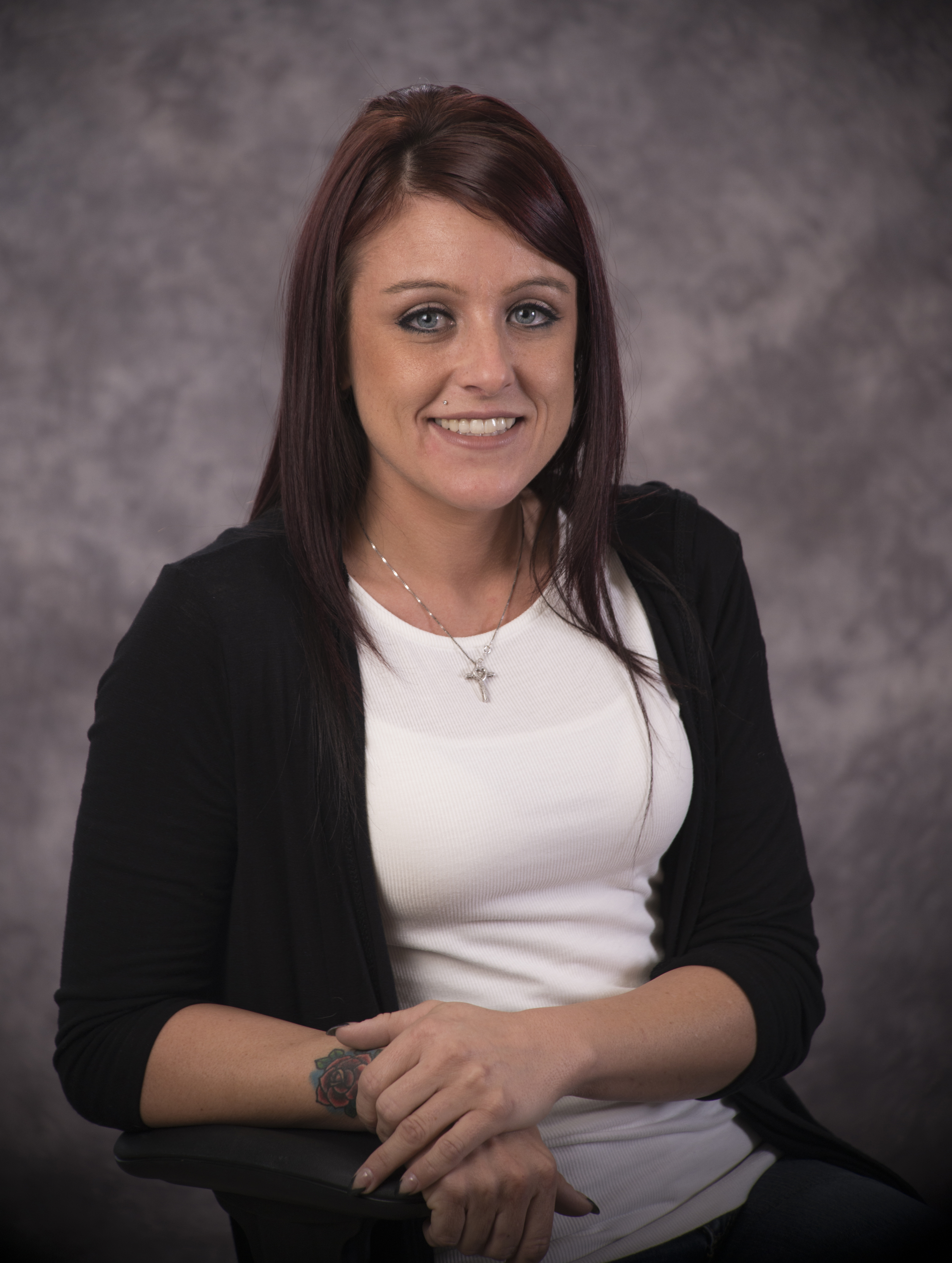
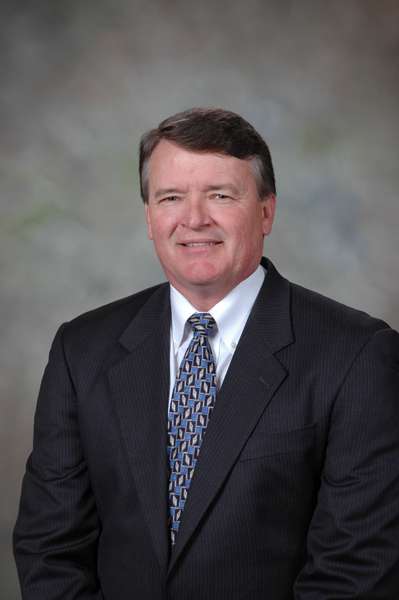
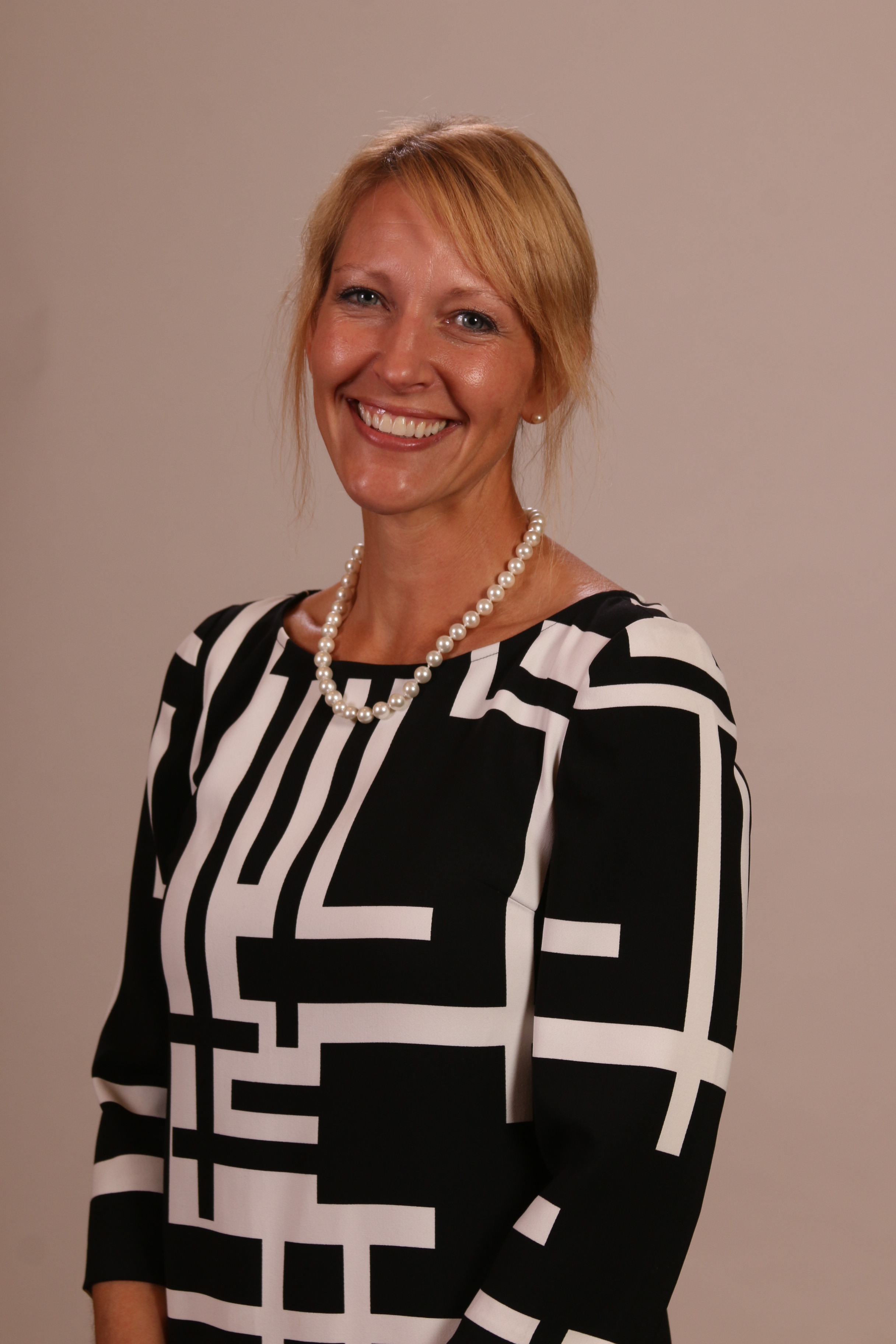

Professional headshots help organizations in several ways. They present leadership and staff with confidence and clarity. They create a more unified visual identity across websites and marketing materials. They support recruiting by showing a real, approachable team. They also improve the quality of proposals, presentations, social channels, press materials, and internal communications.
For individuals, a professional headshot can influence how seriously you are taken in your market. For companies, headshots are not just personal branding tools. They are part of the organization’s overall brand system.
The Case for Studio Headshots
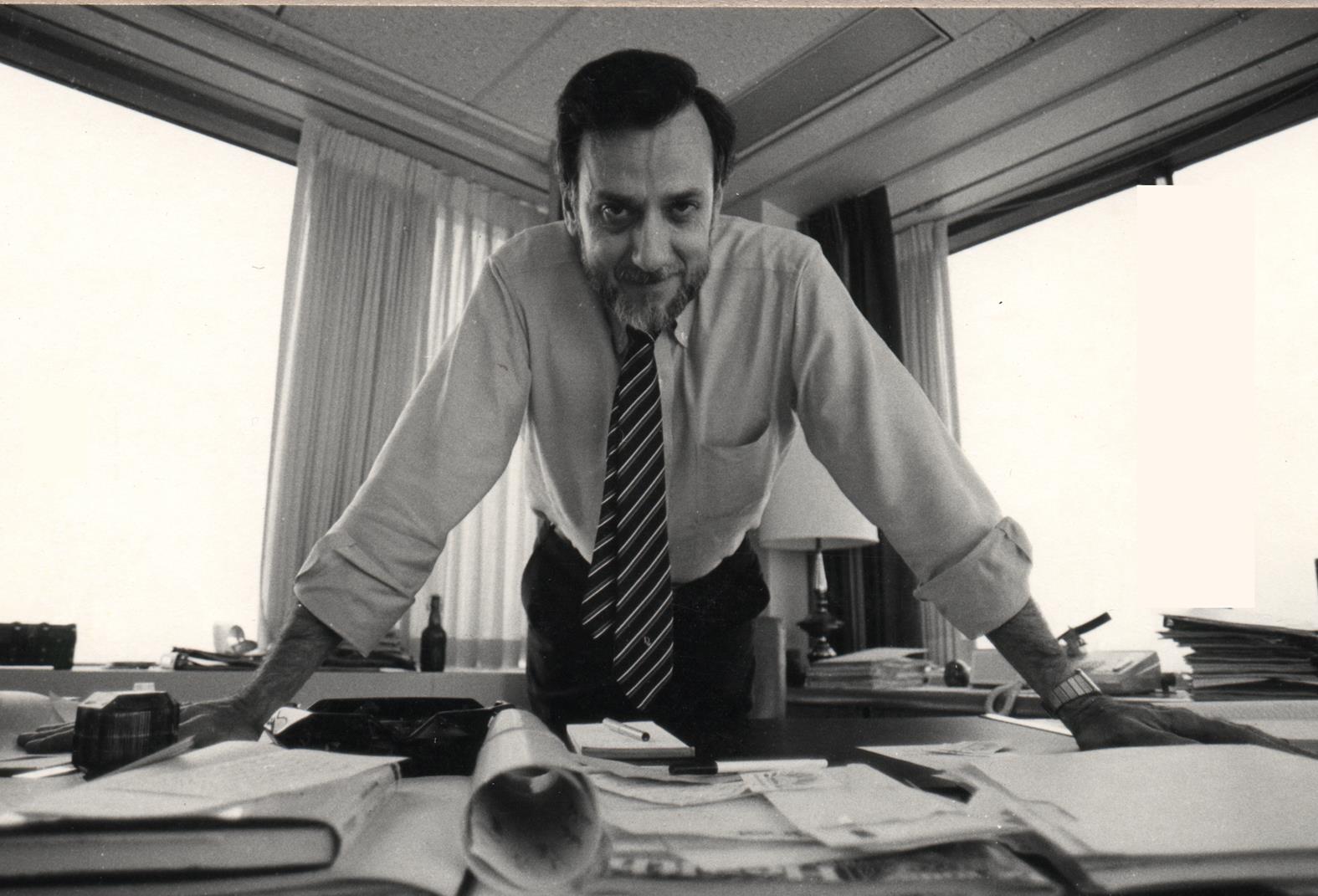
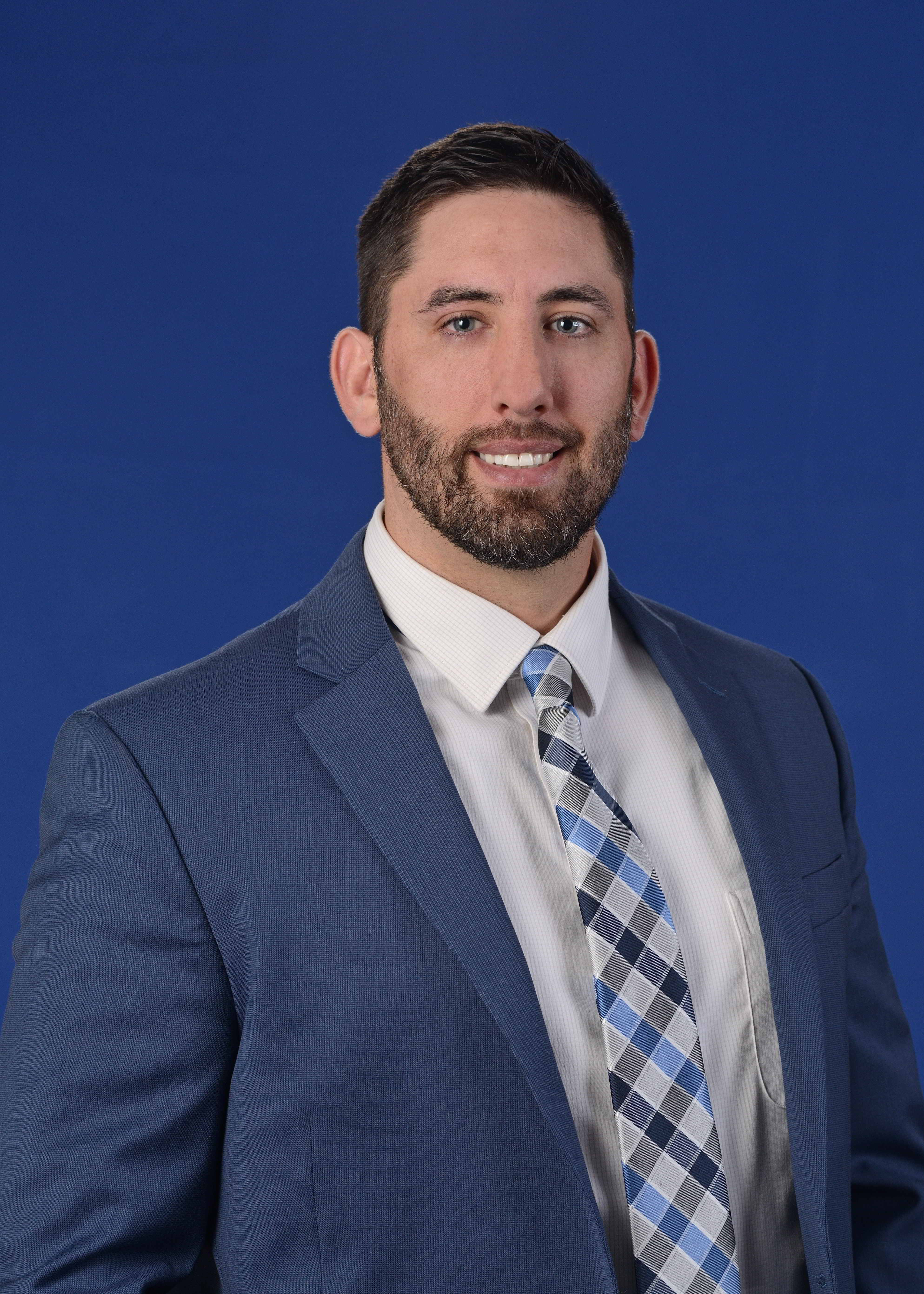
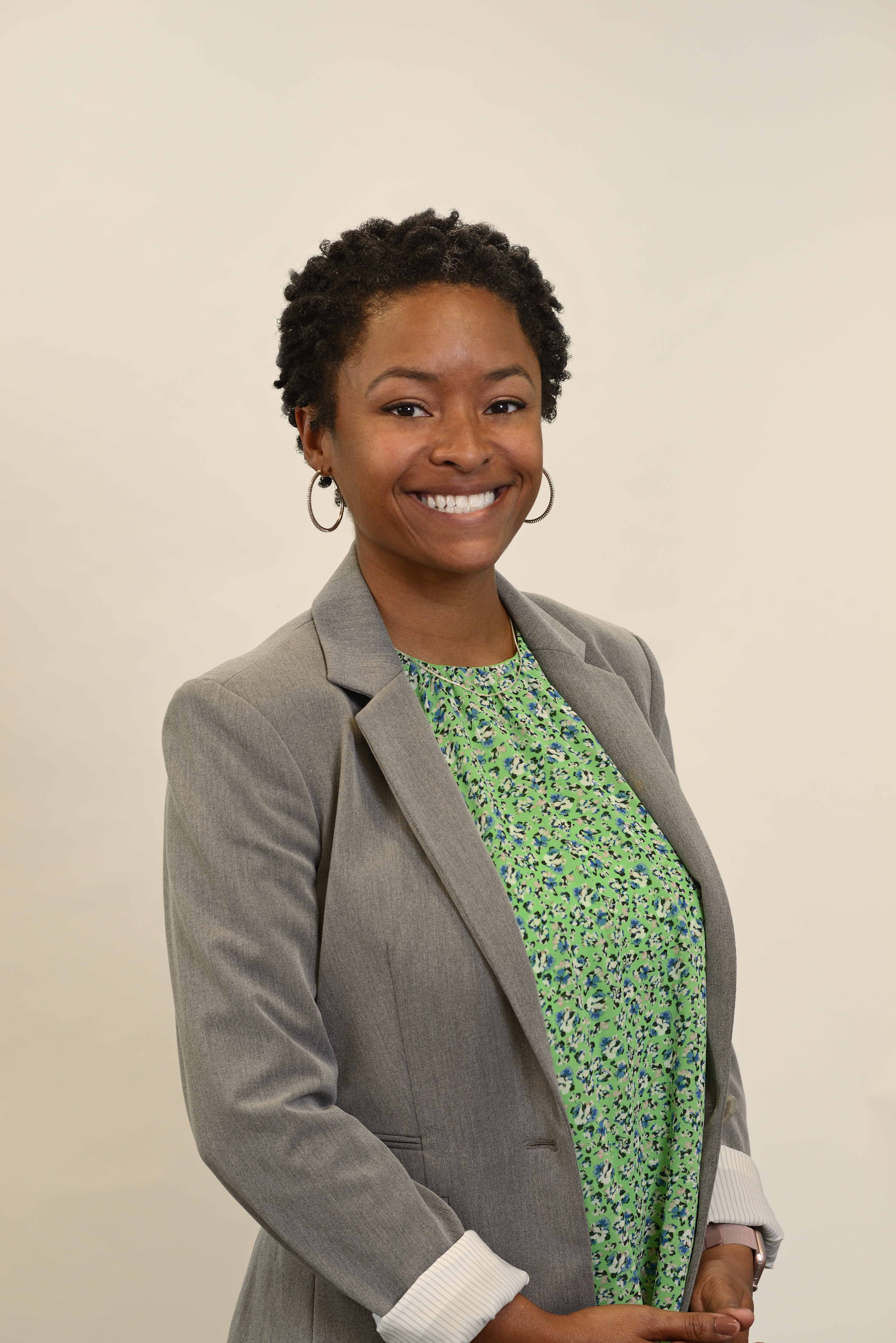
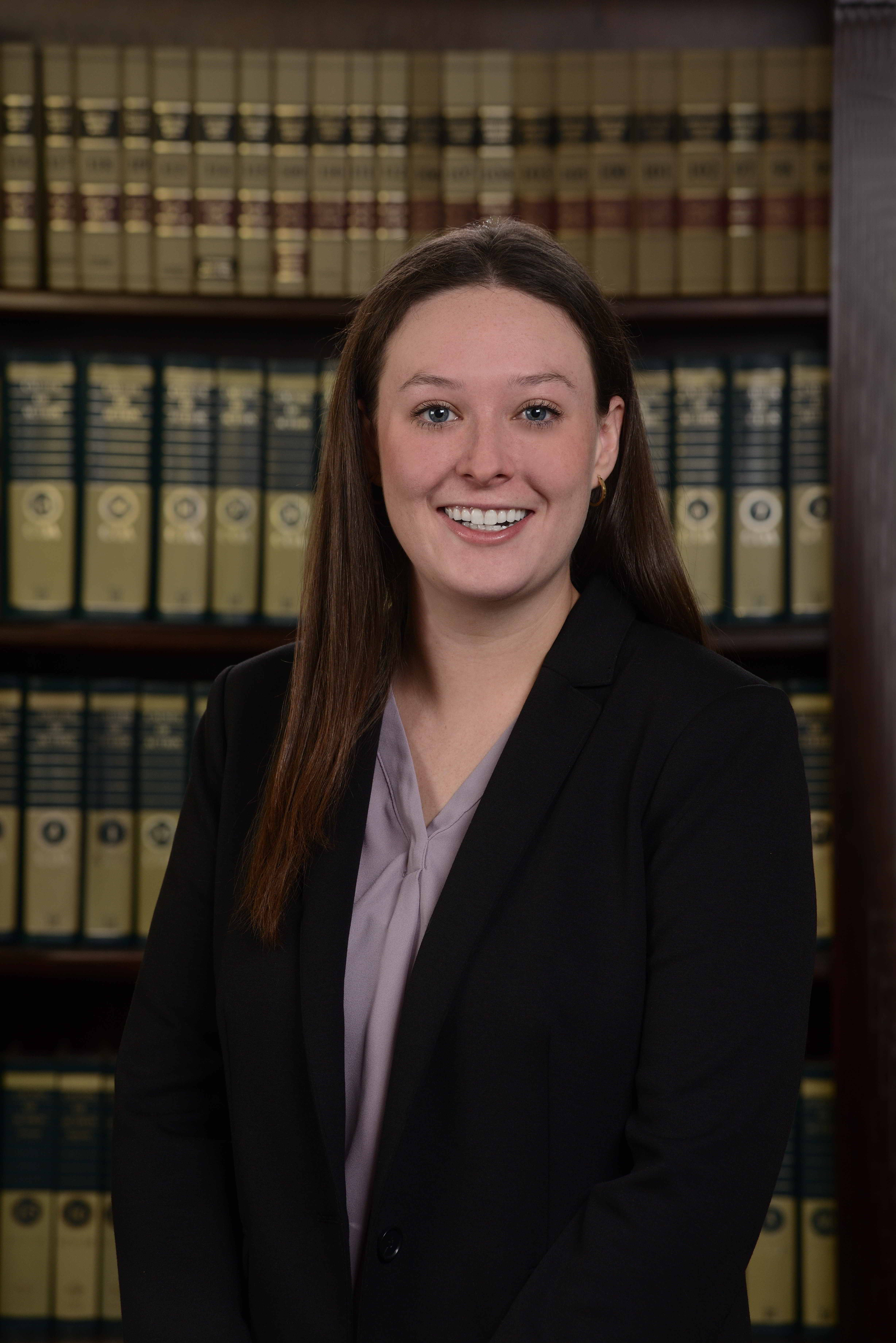
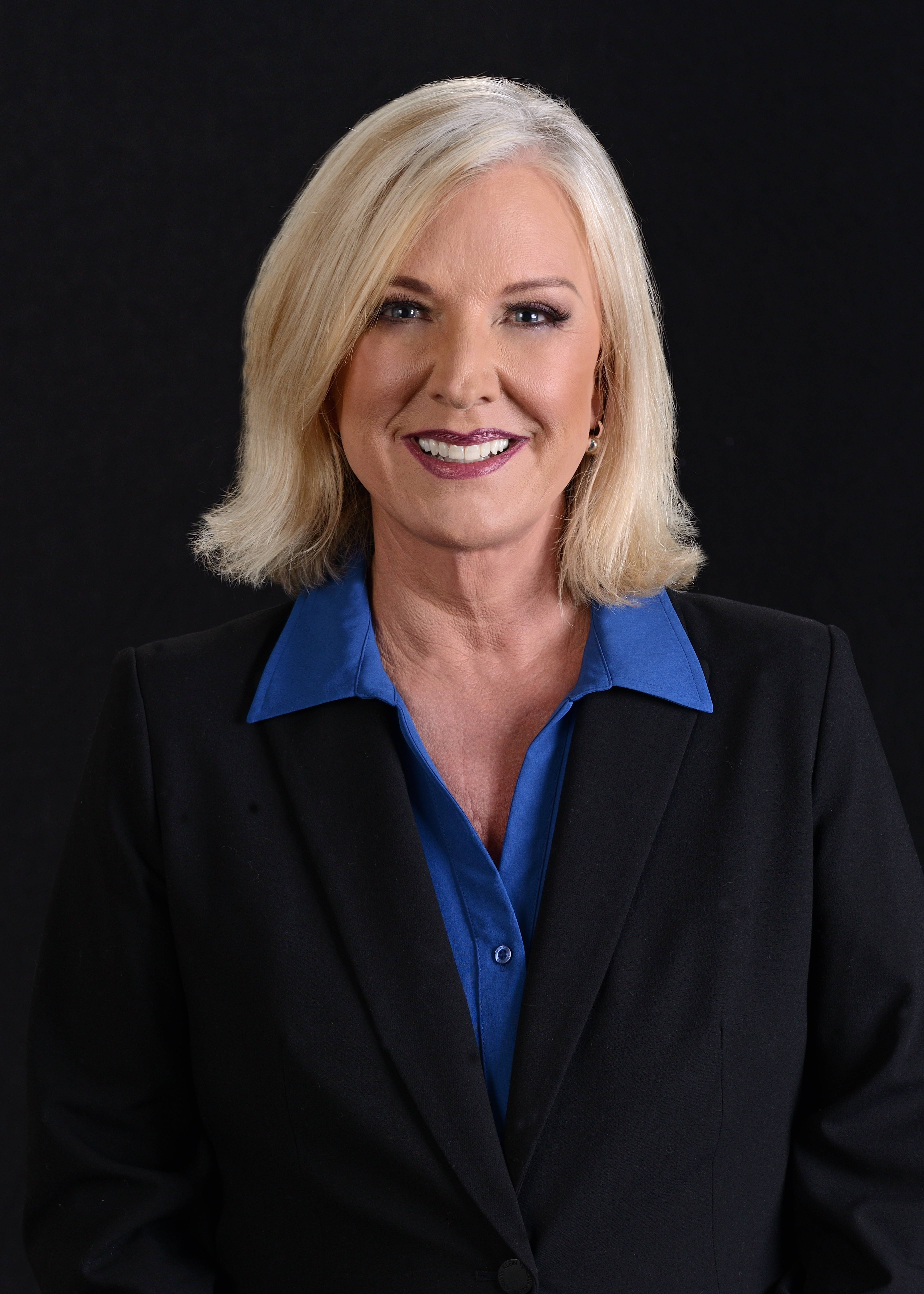
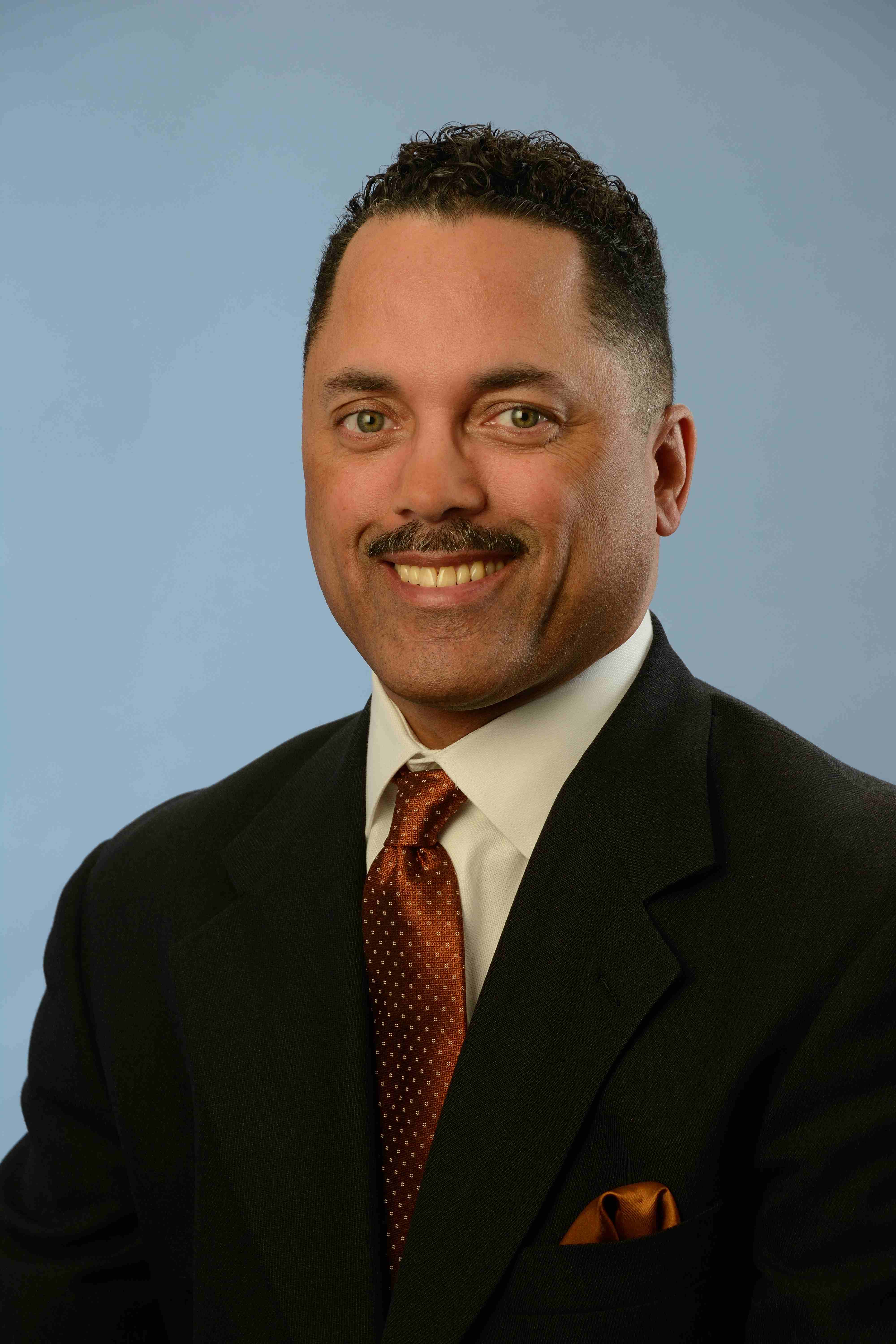
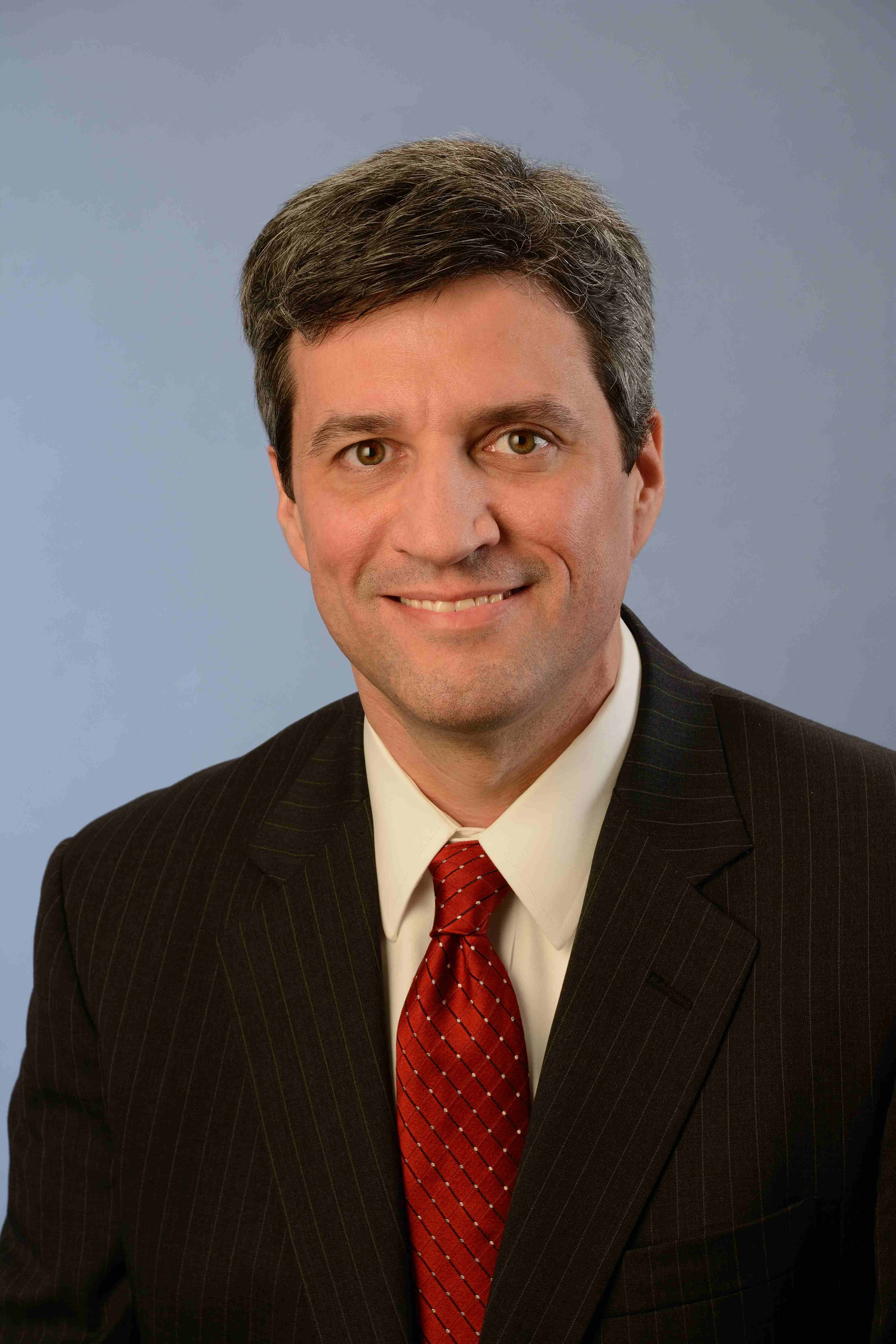
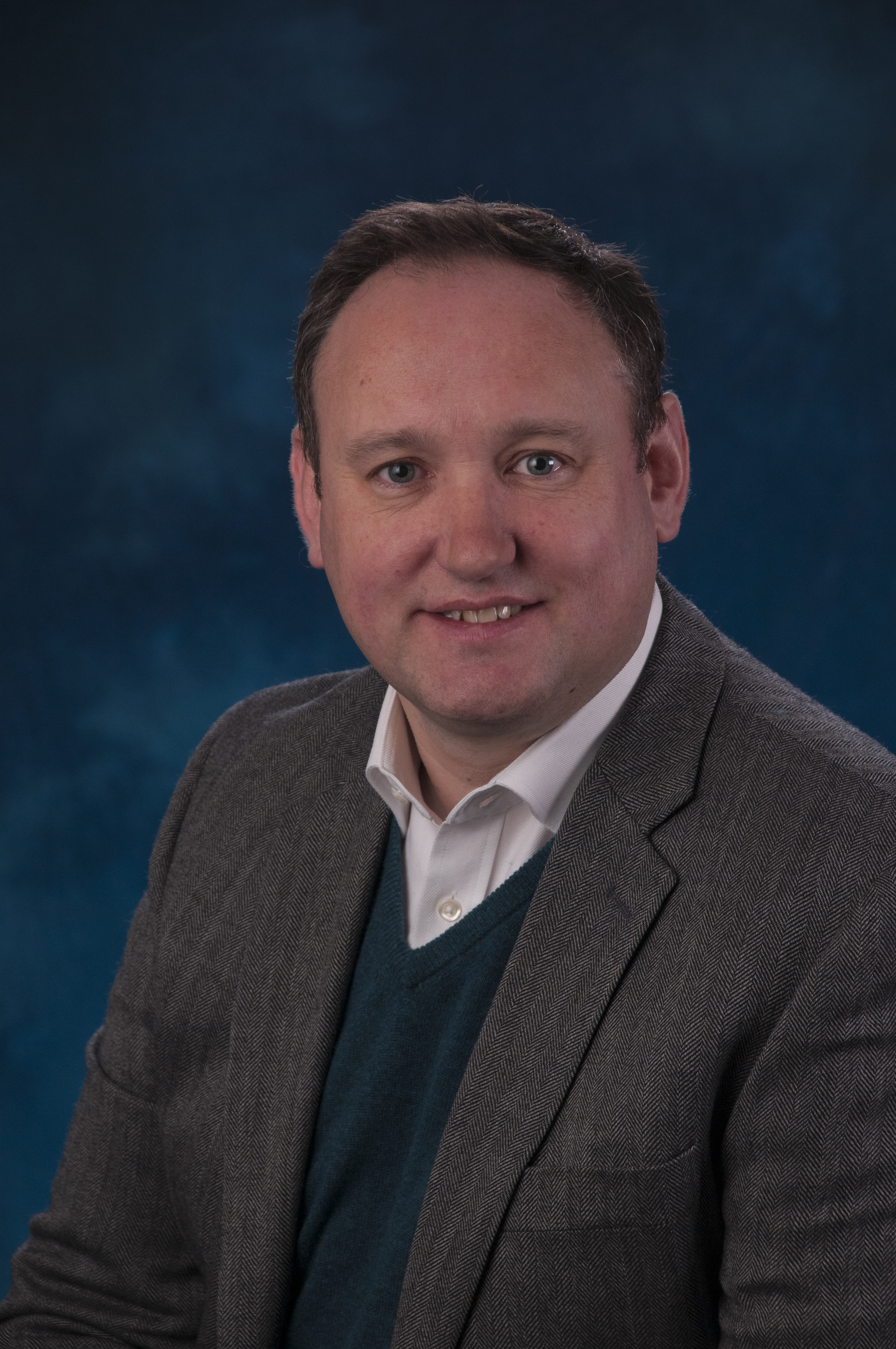
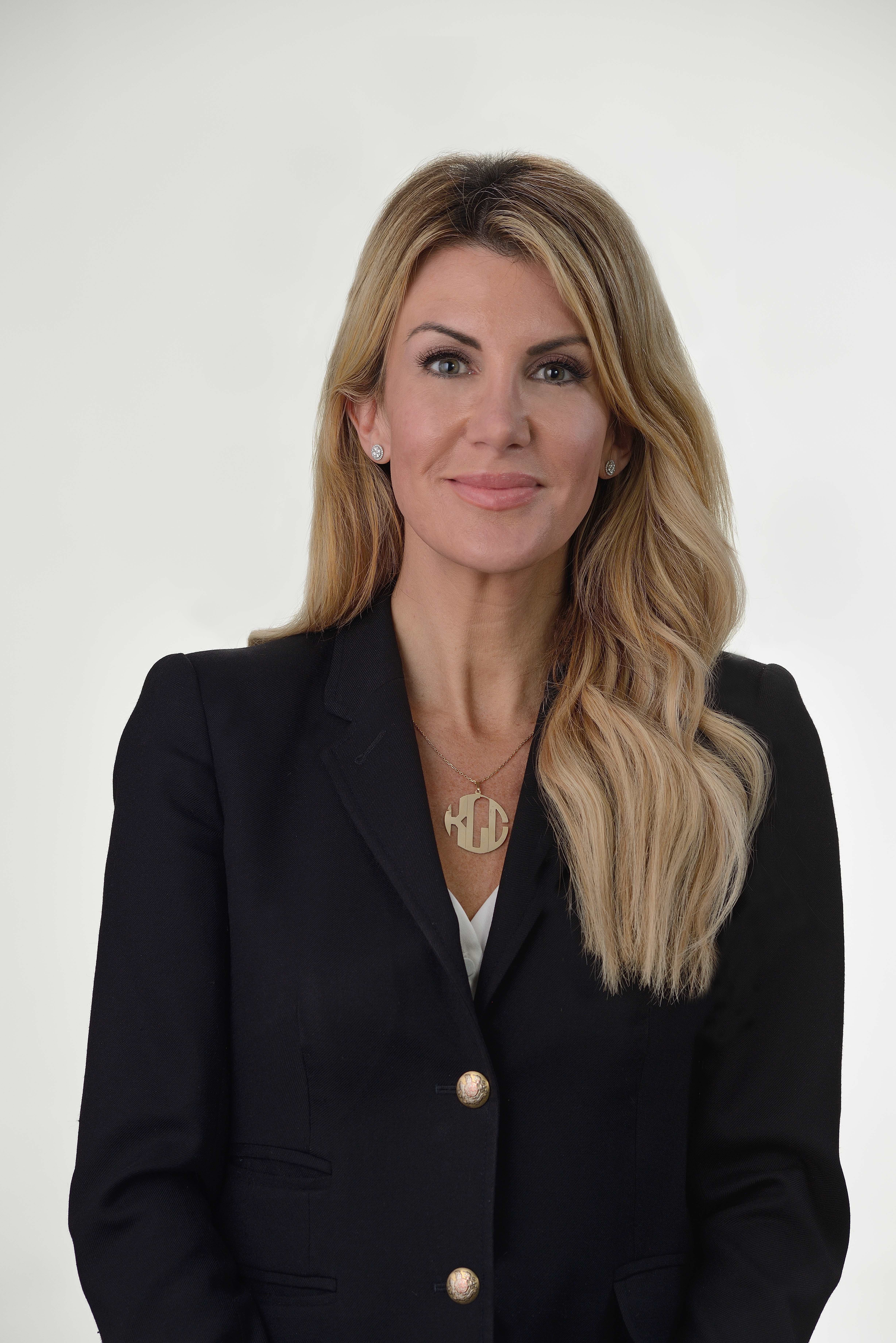
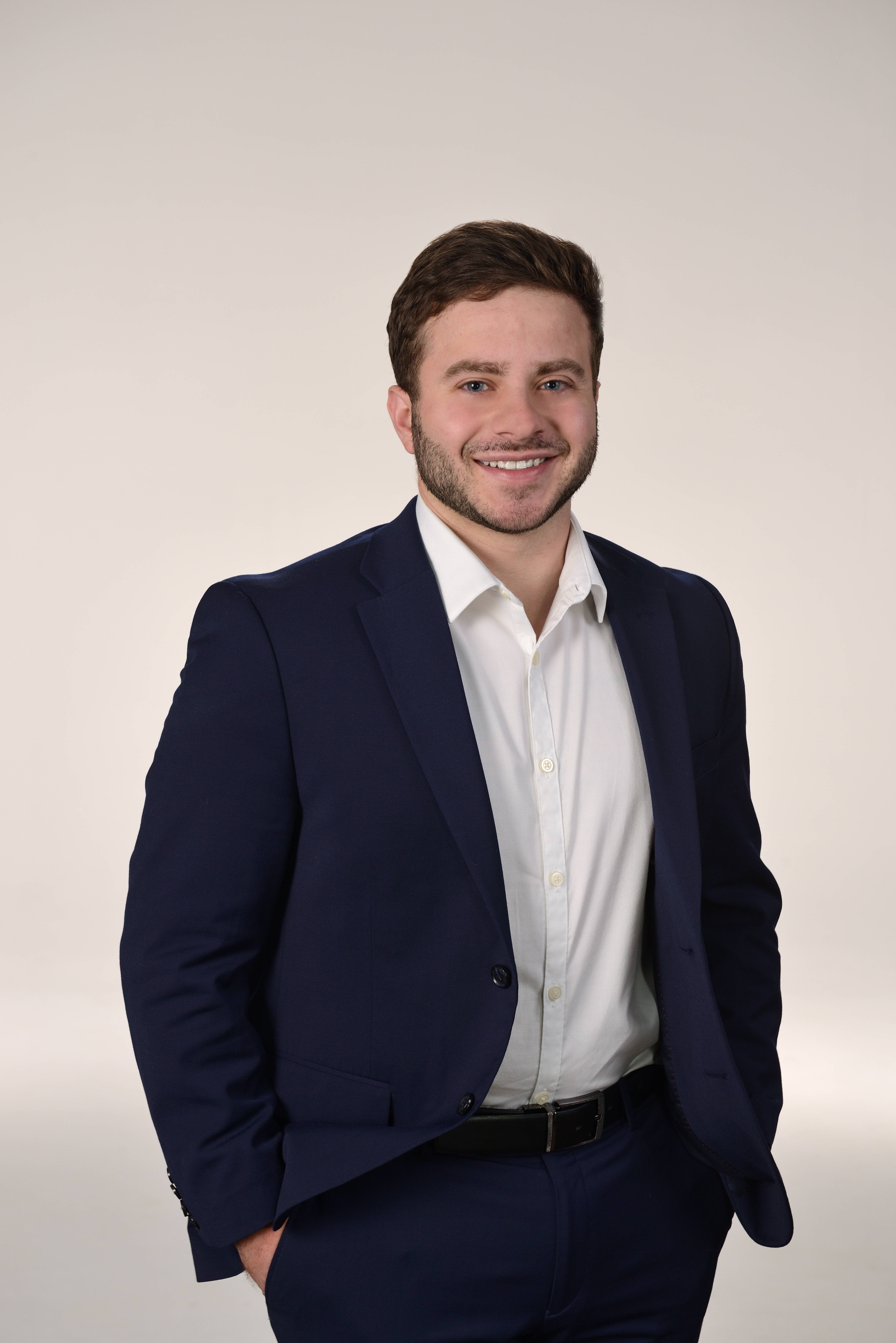
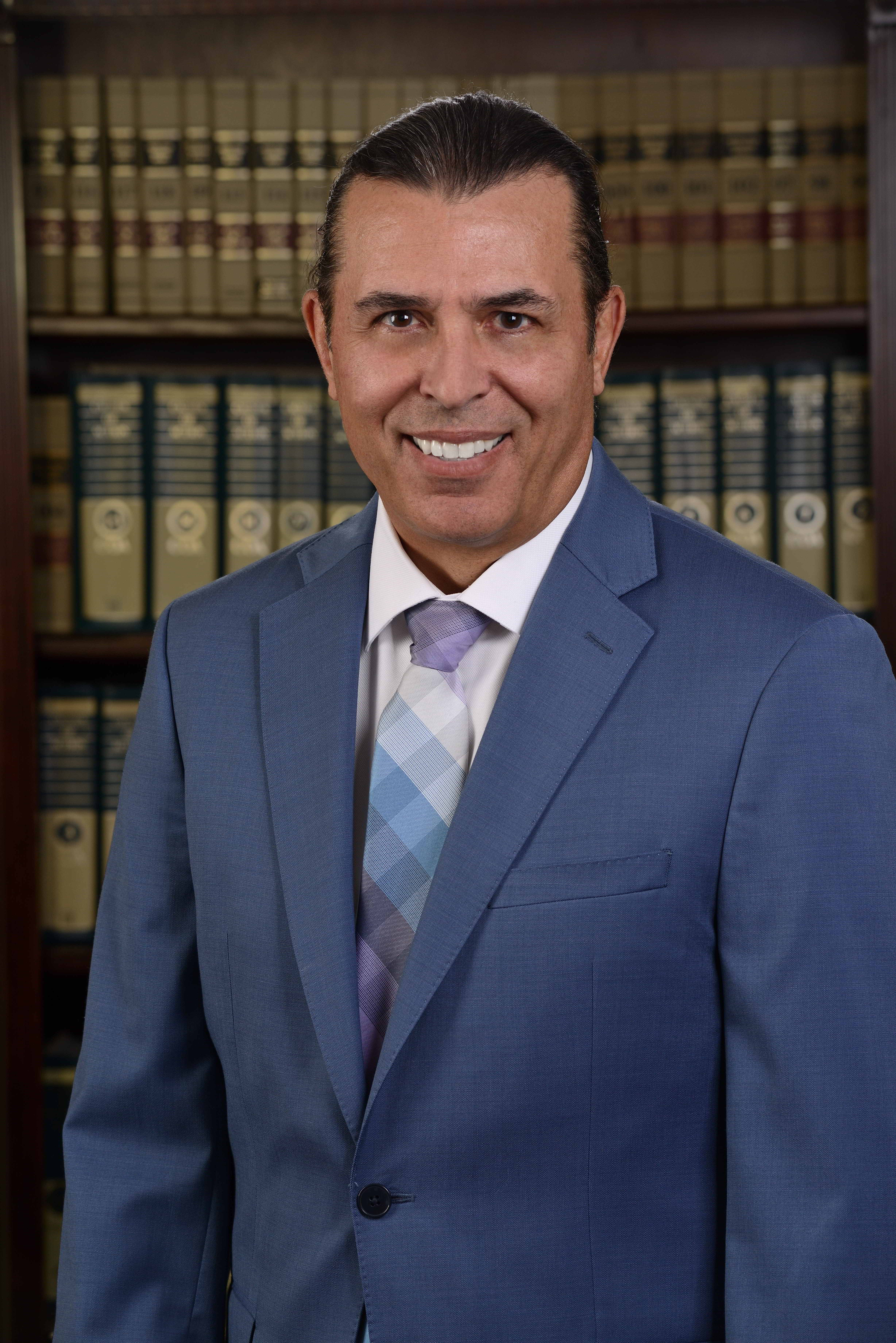
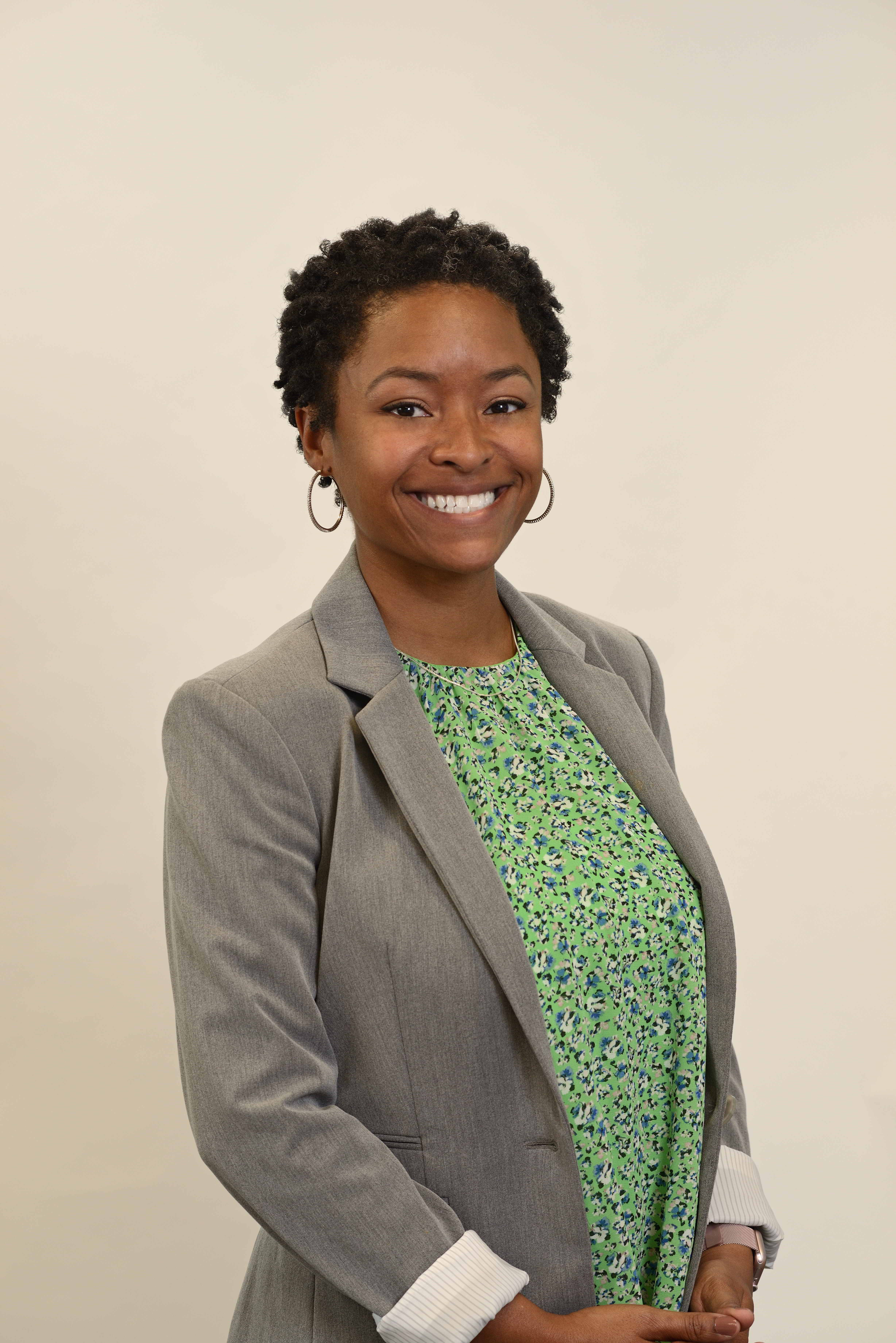
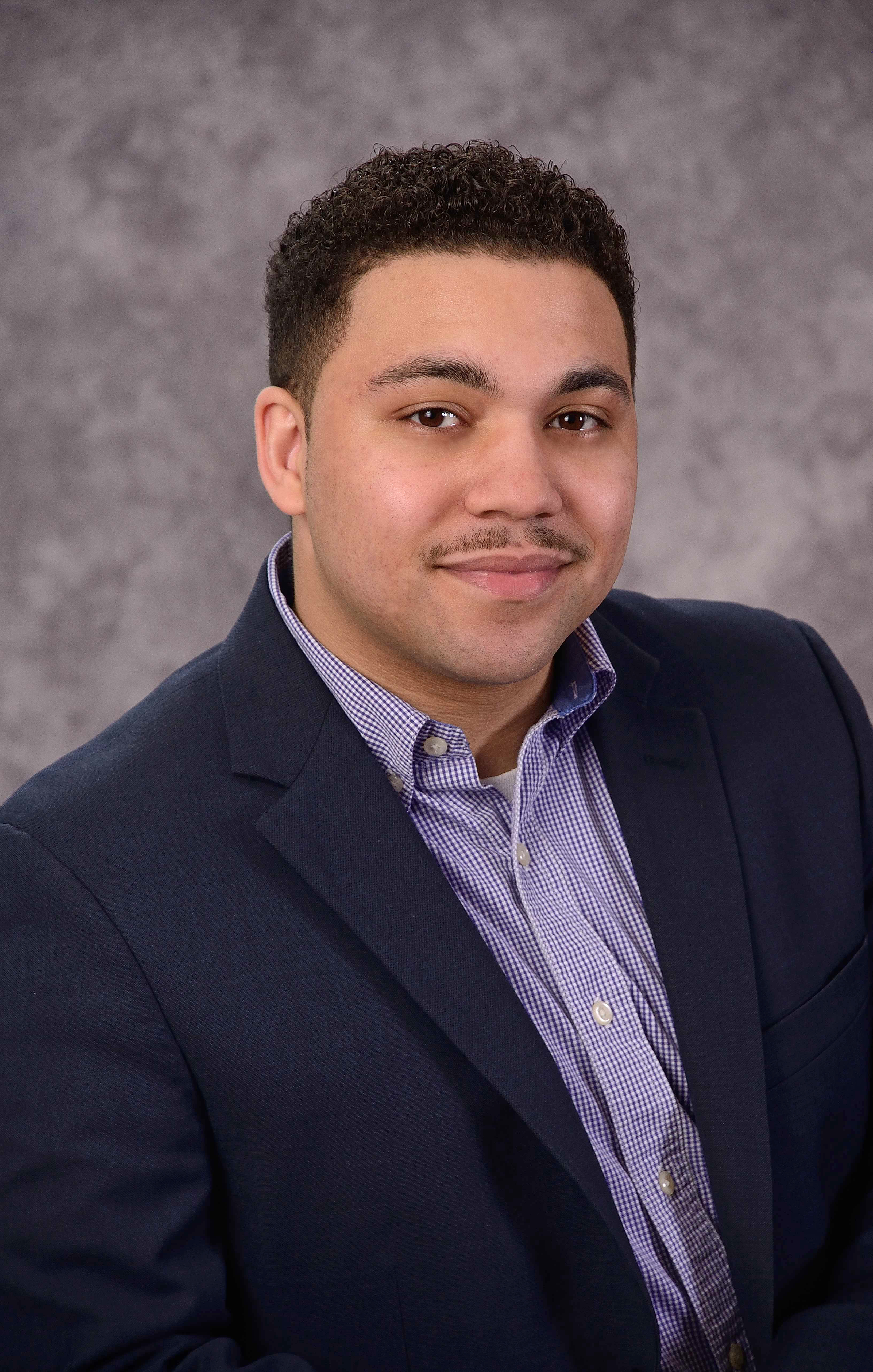
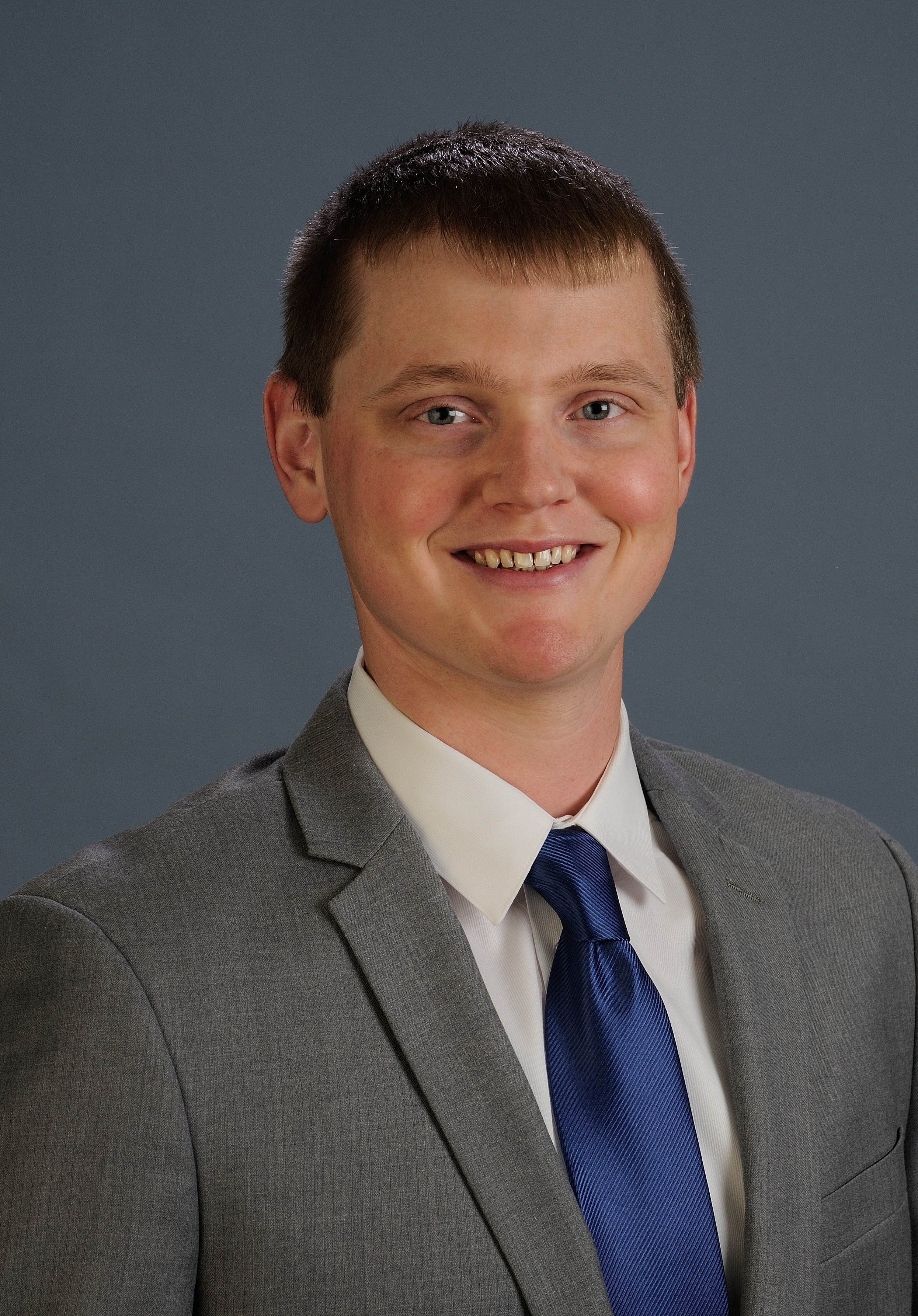
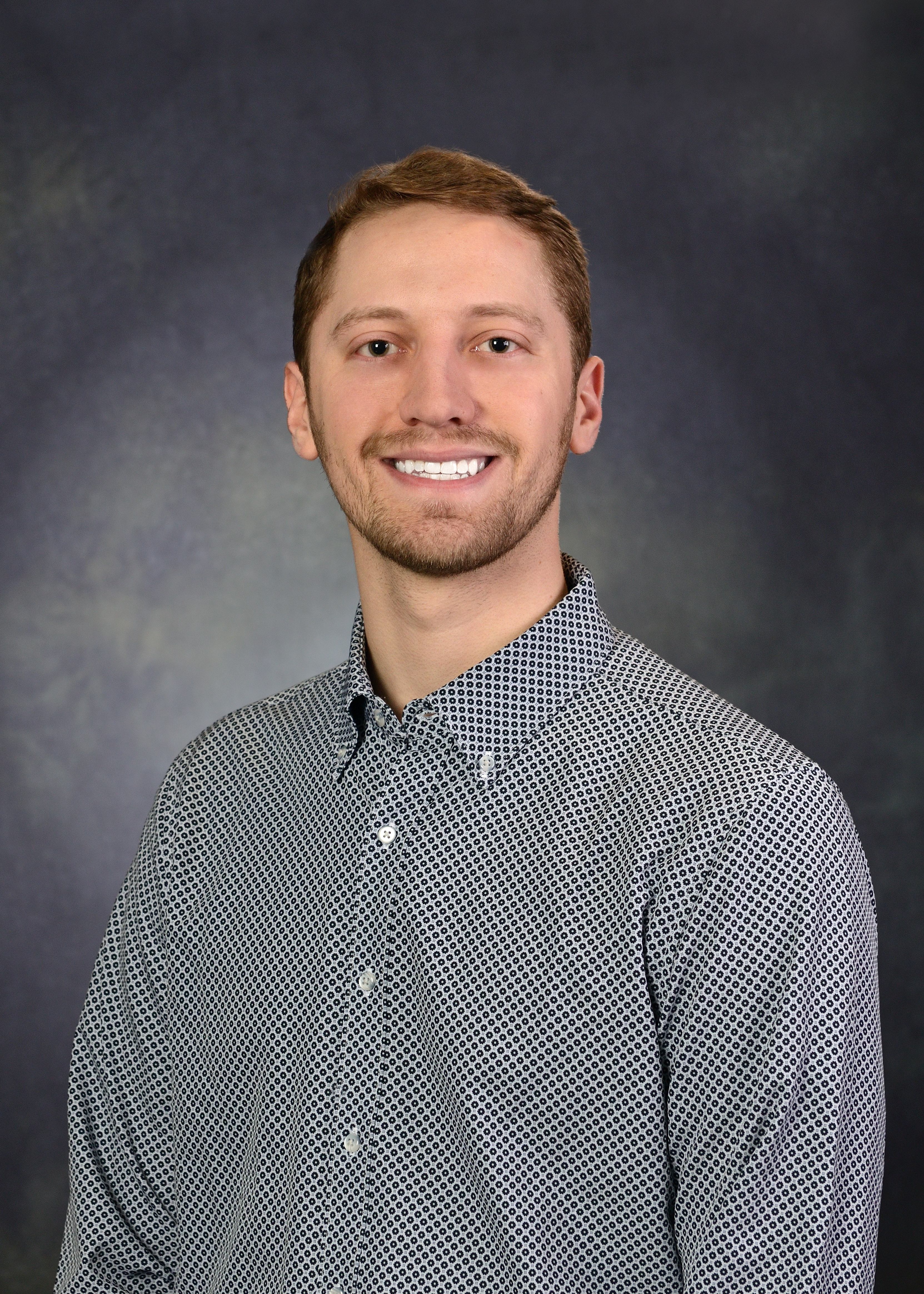
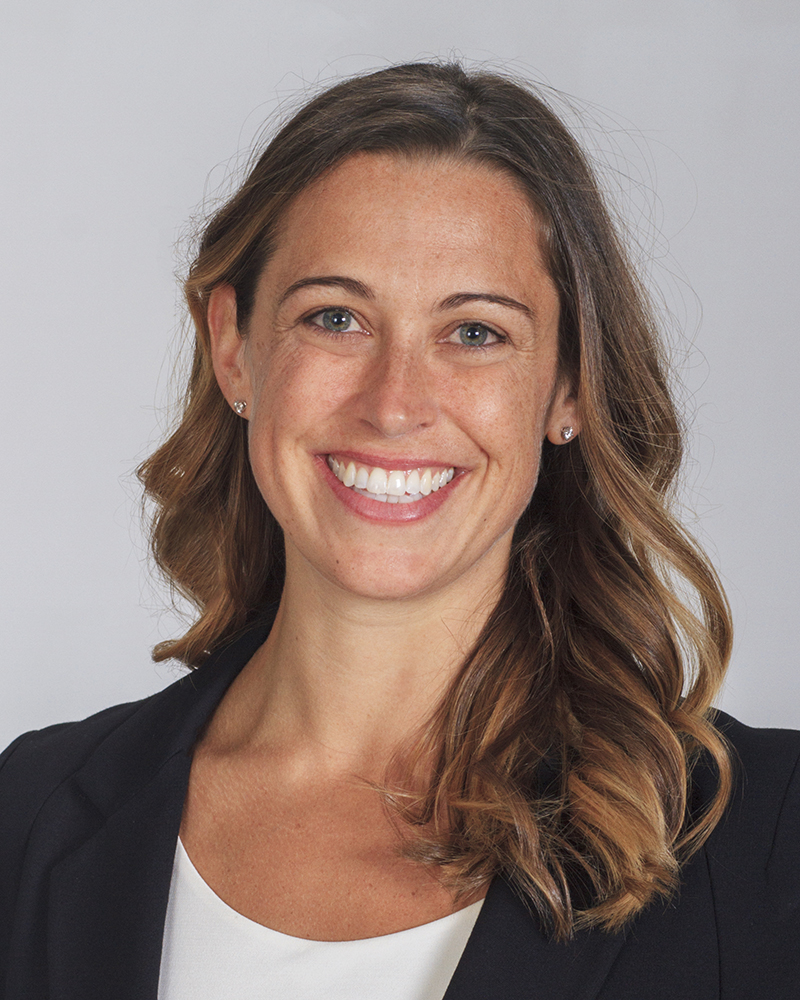
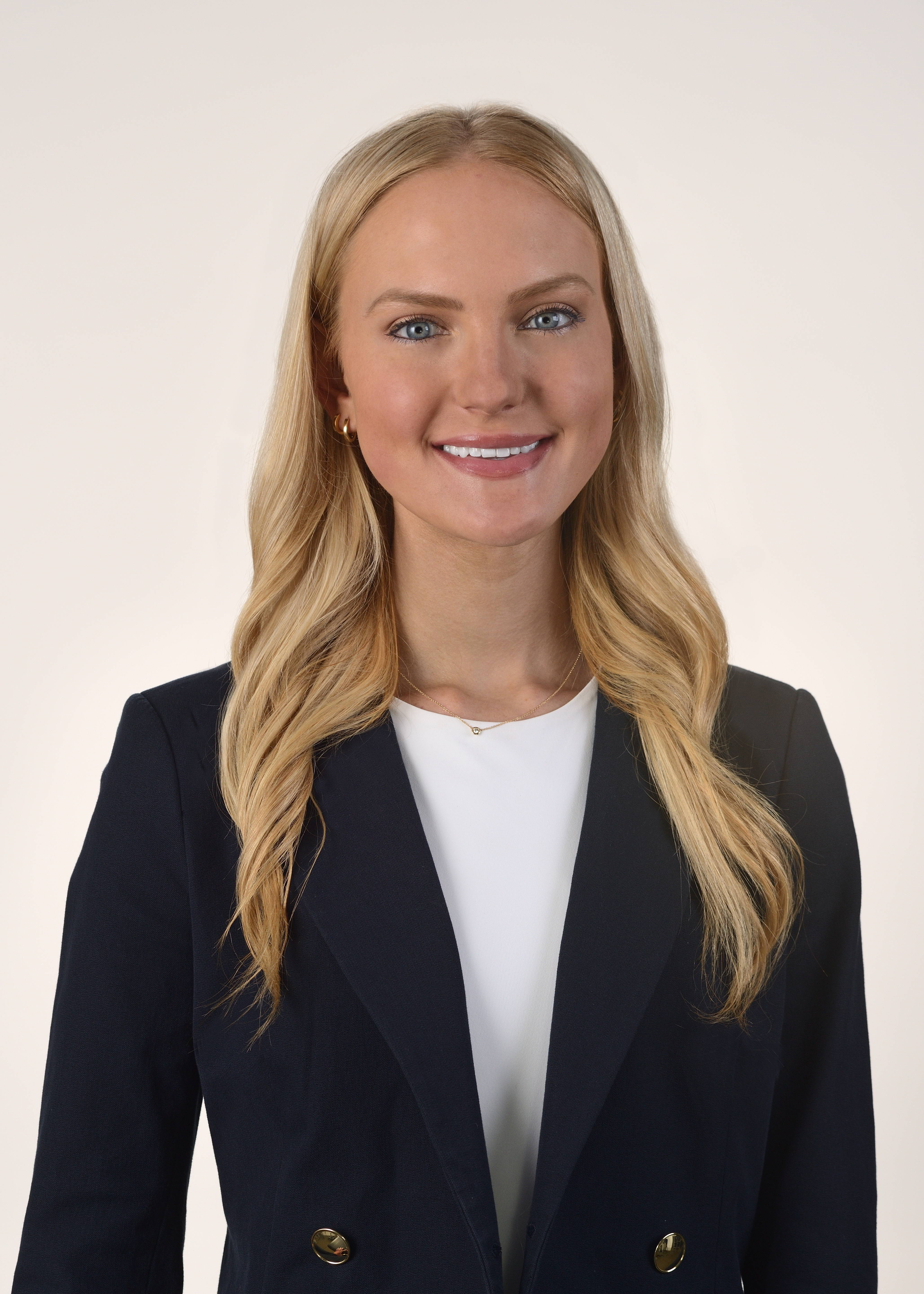
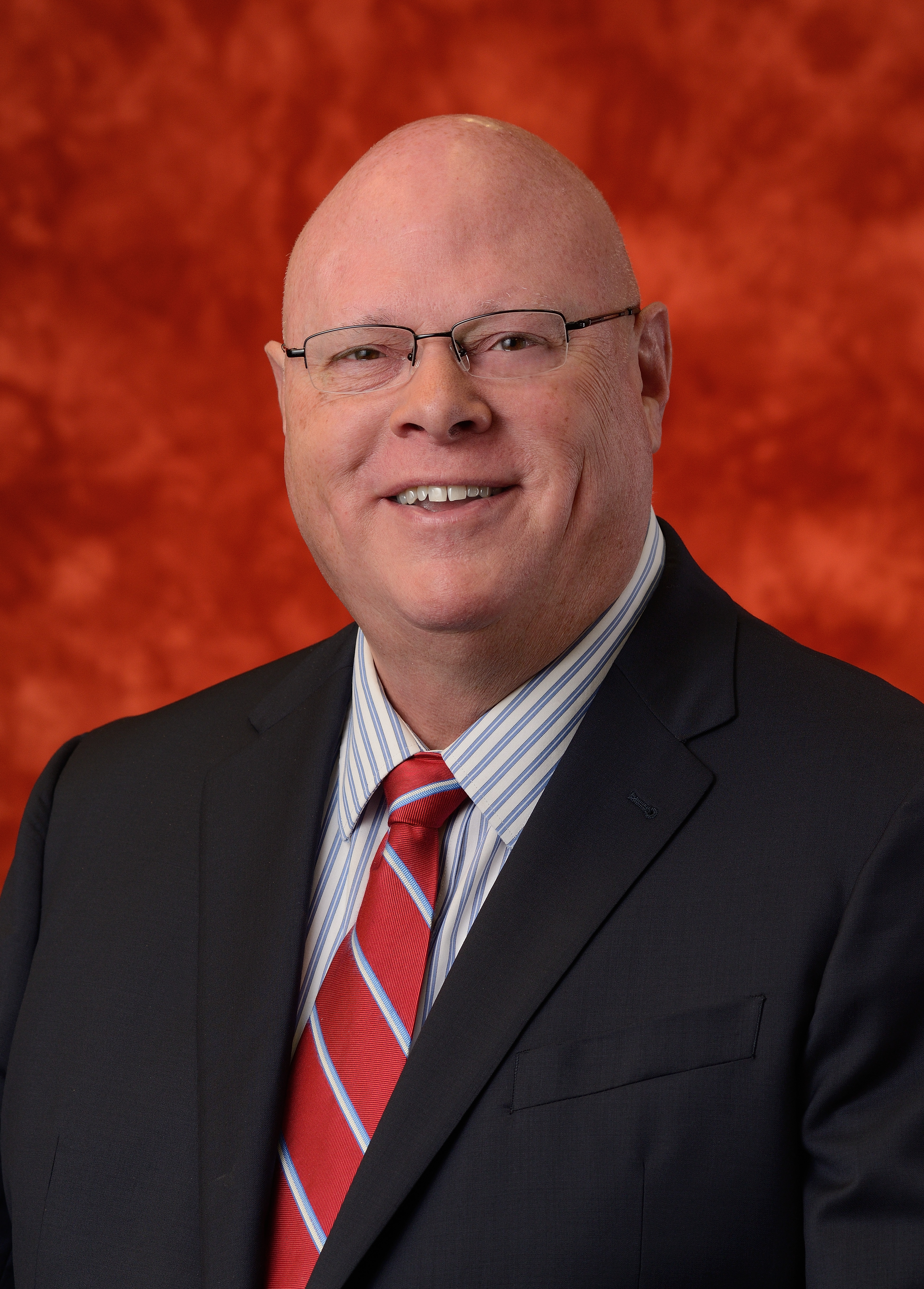
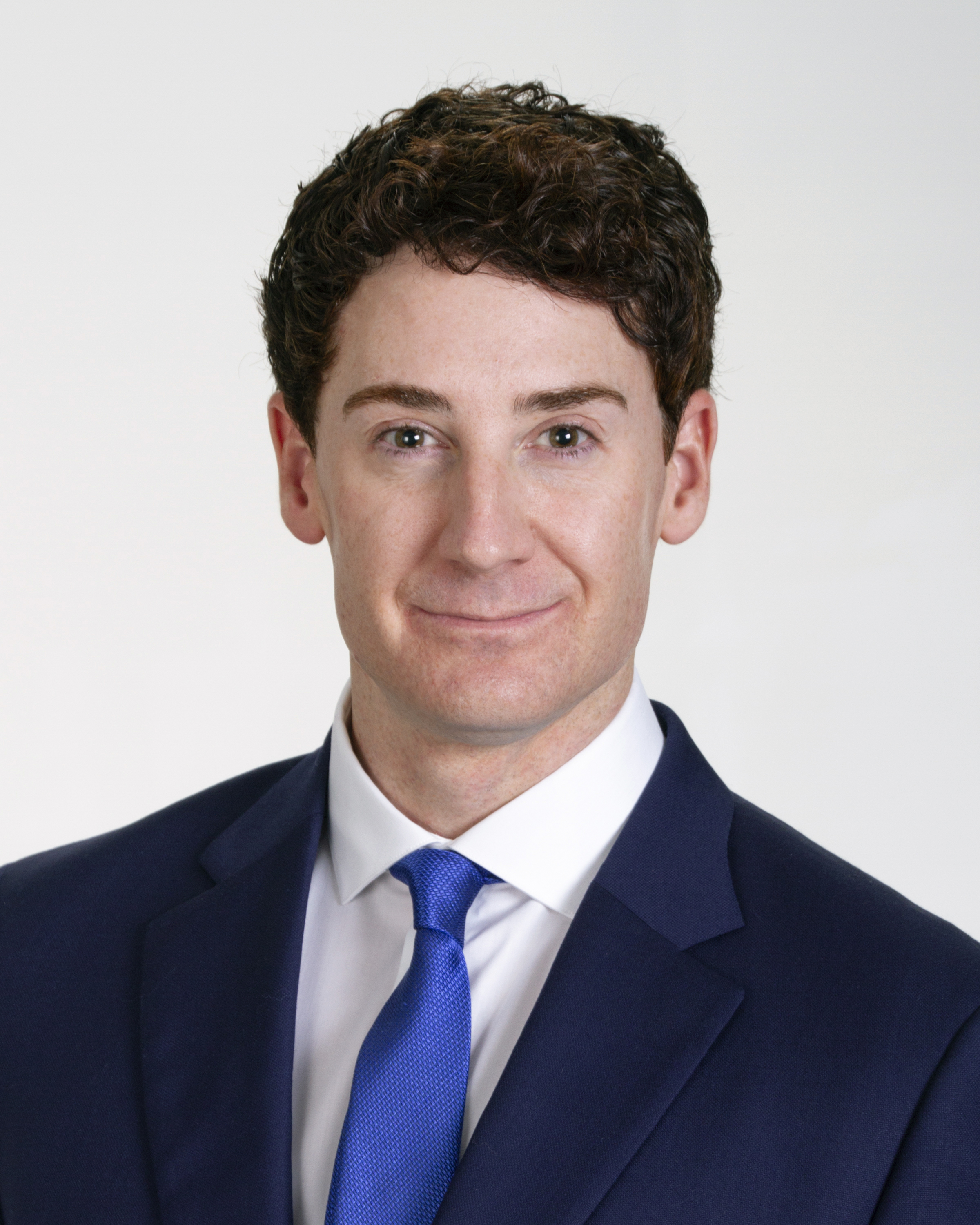
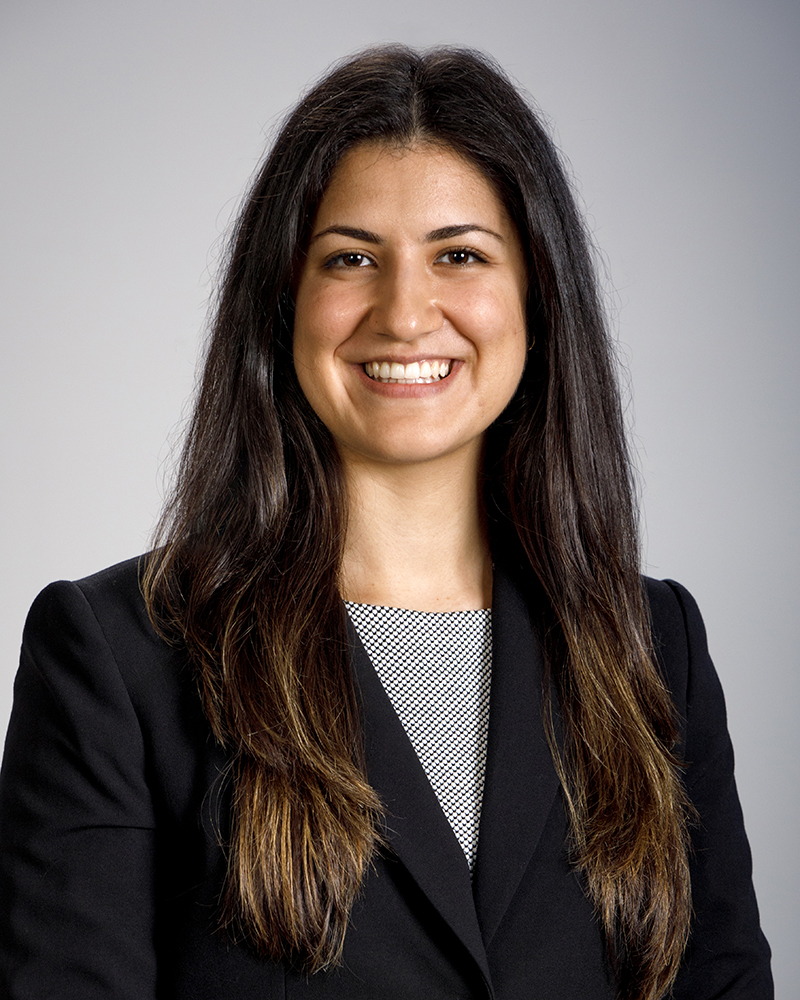
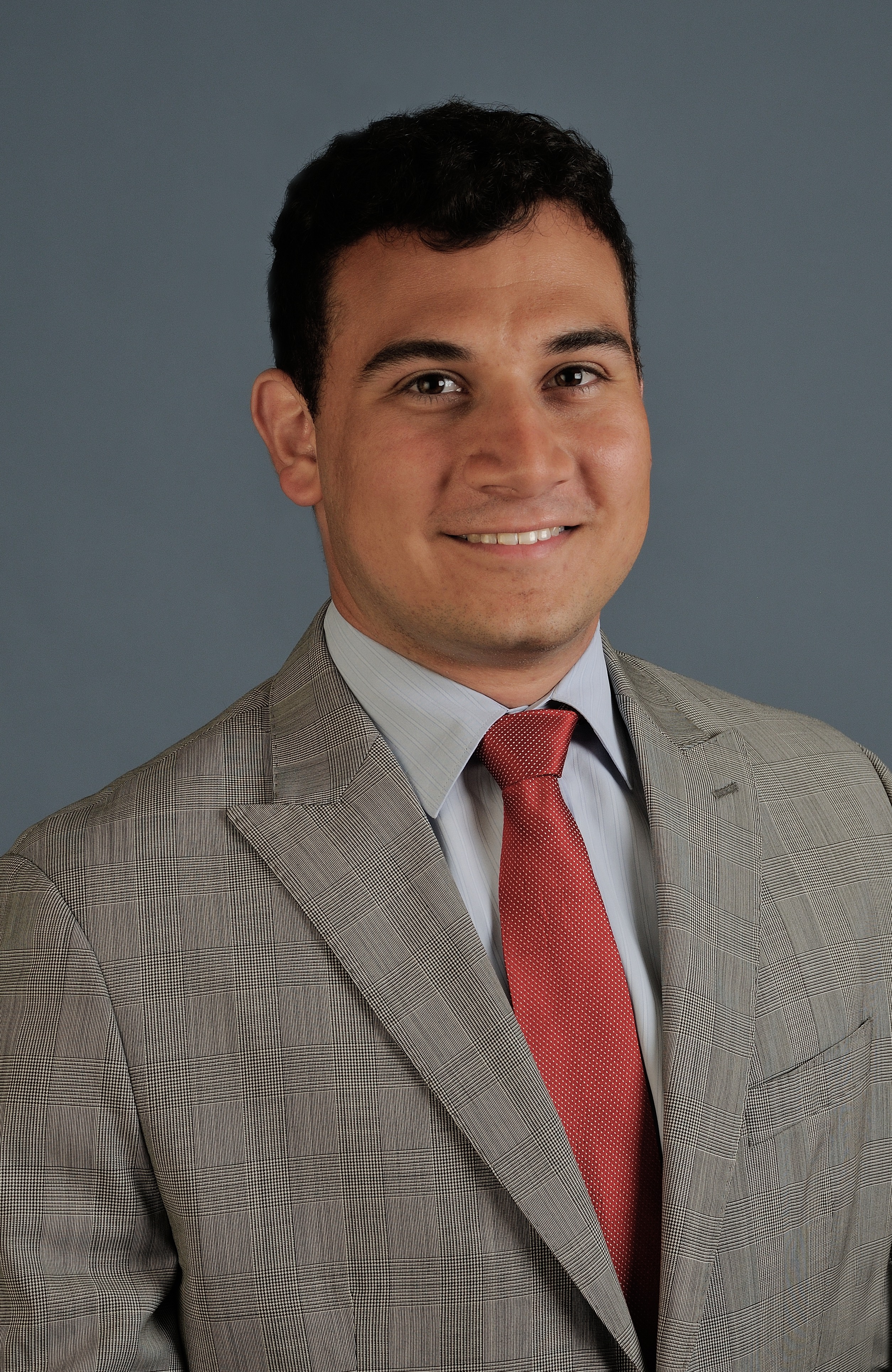
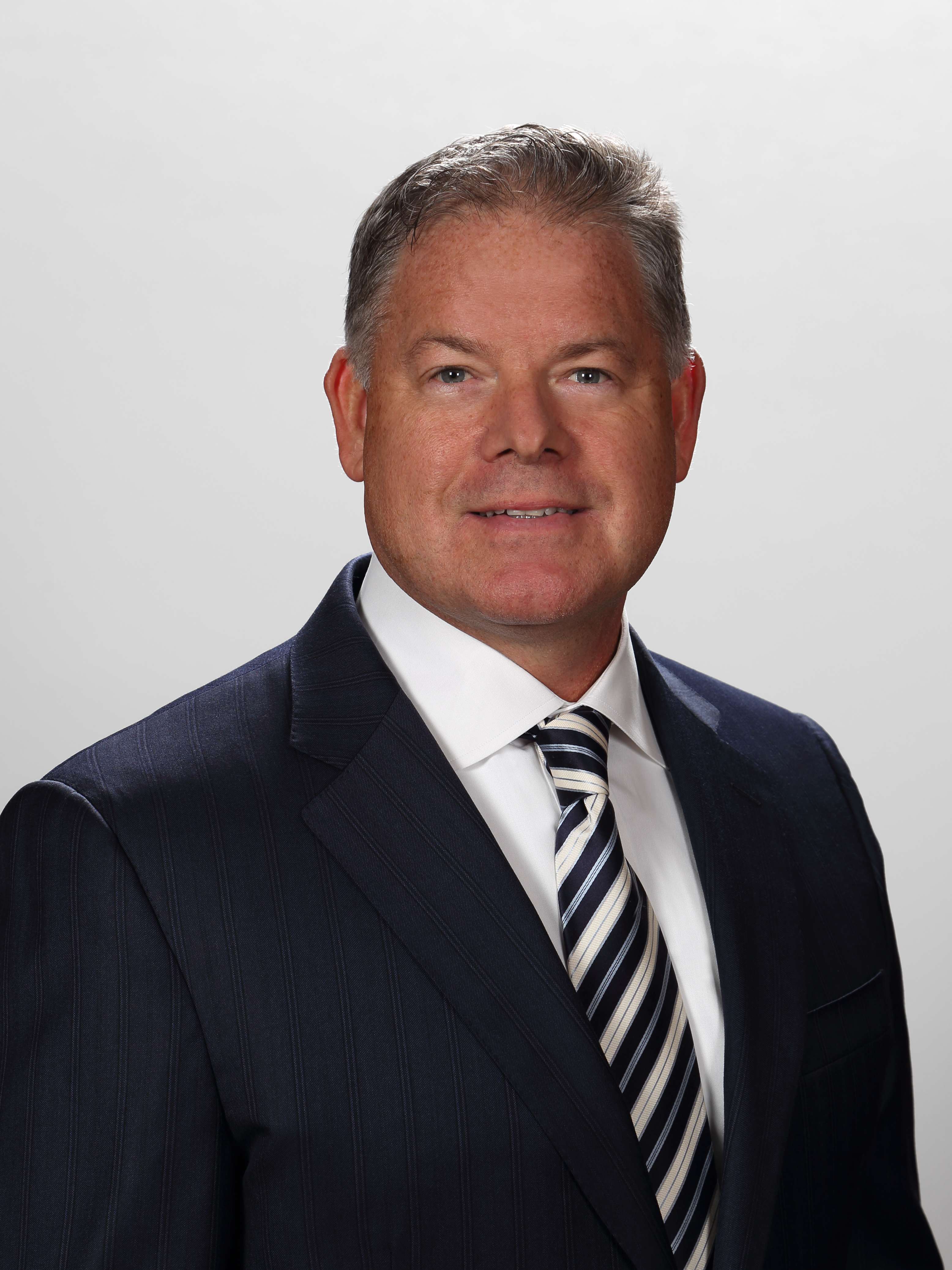
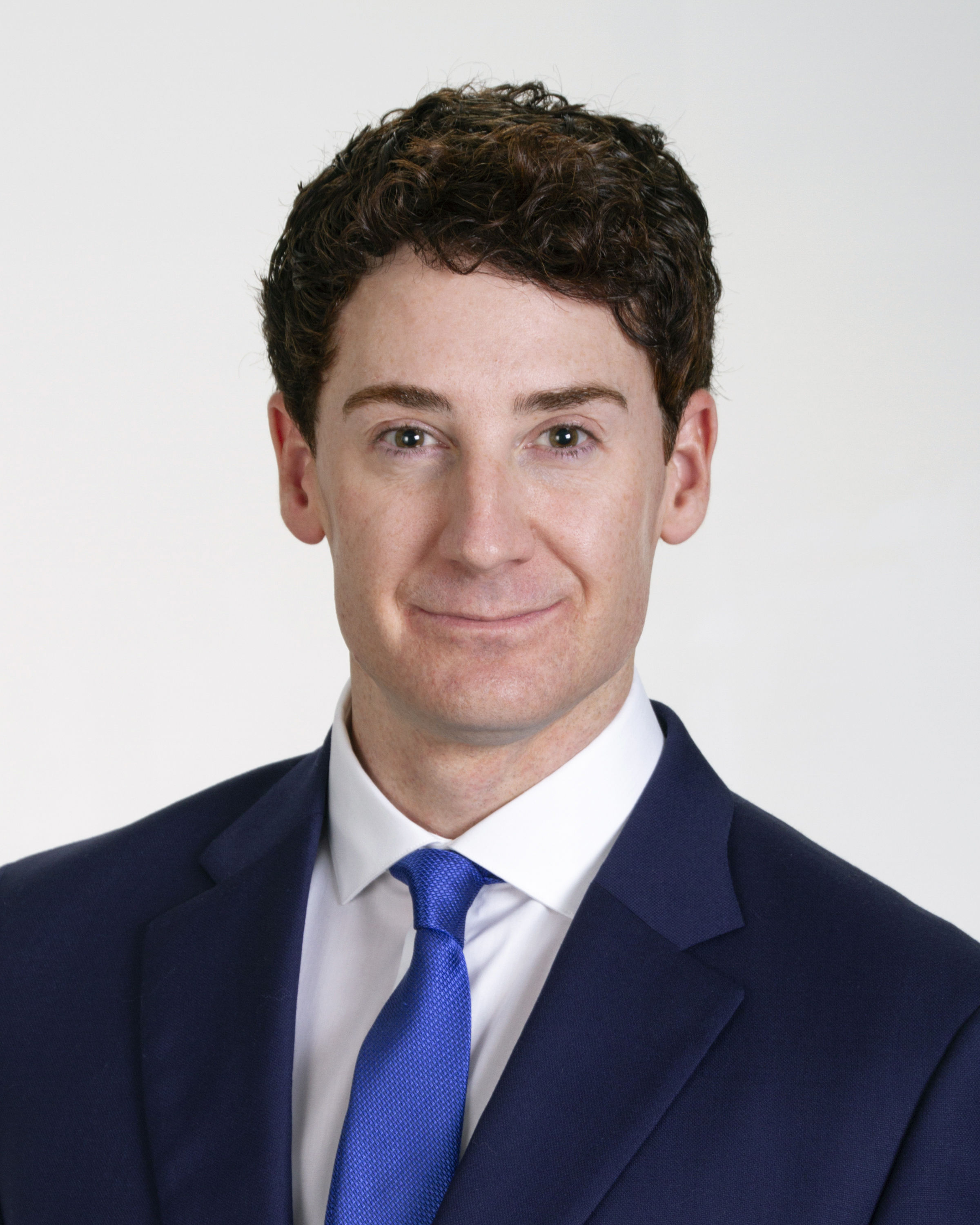
Studio headshots remain the gold standard for many professionals because they provide maximum control over the visual result. In a studio environment, the photographer controls the lighting, background, camera angle, and overall styling with precision. That consistency is especially valuable when the goal is to create a clean, polished, timeless image.
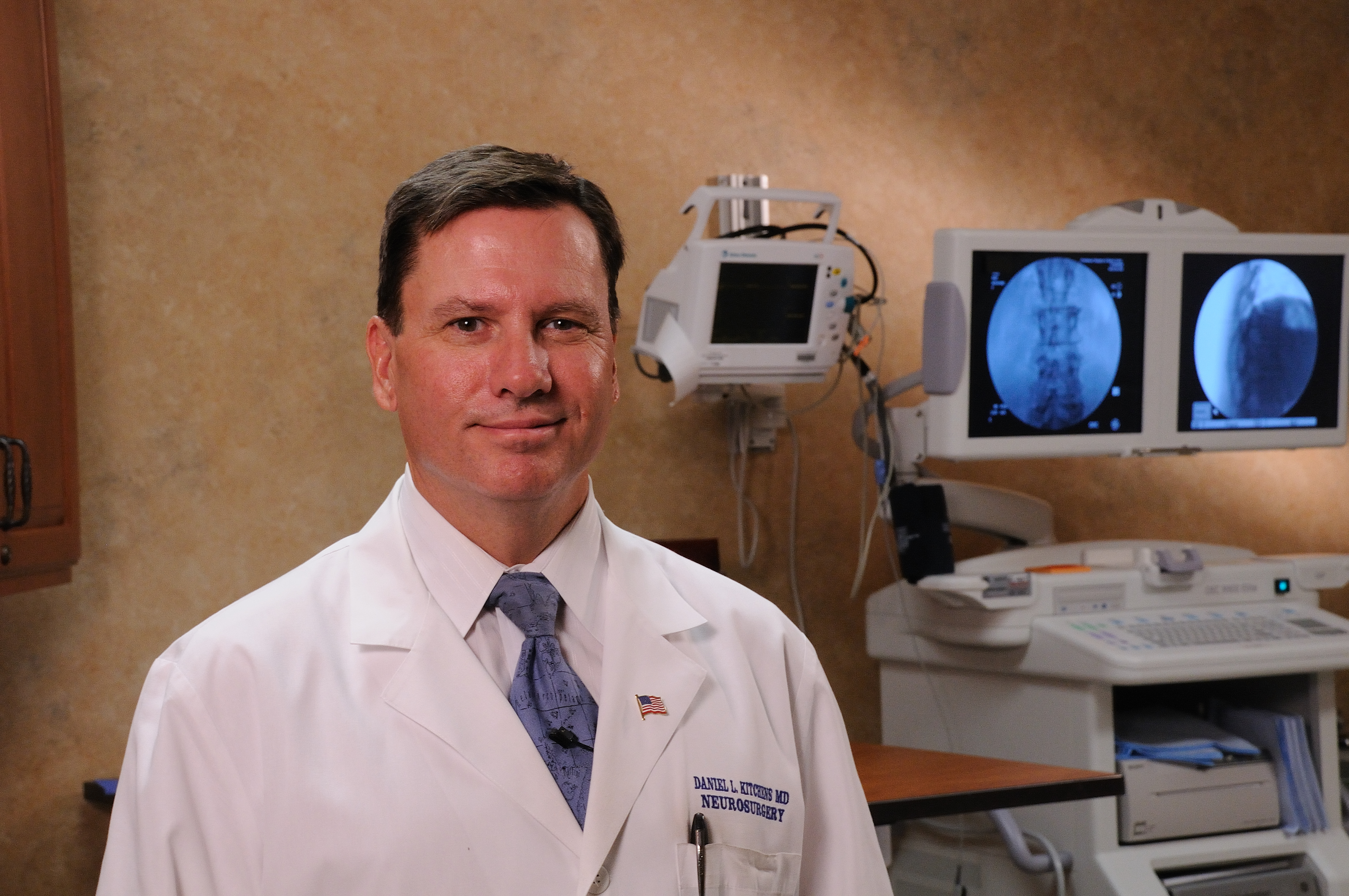
A studio setting is ideal for executives, attorneys, consultants, sales professionals, physicians, and other individuals who want a refined headshot that can be used across multiple platforms for several years. It is also highly effective for organizations that want a classic and uniform look for leadership teams or employee directories.

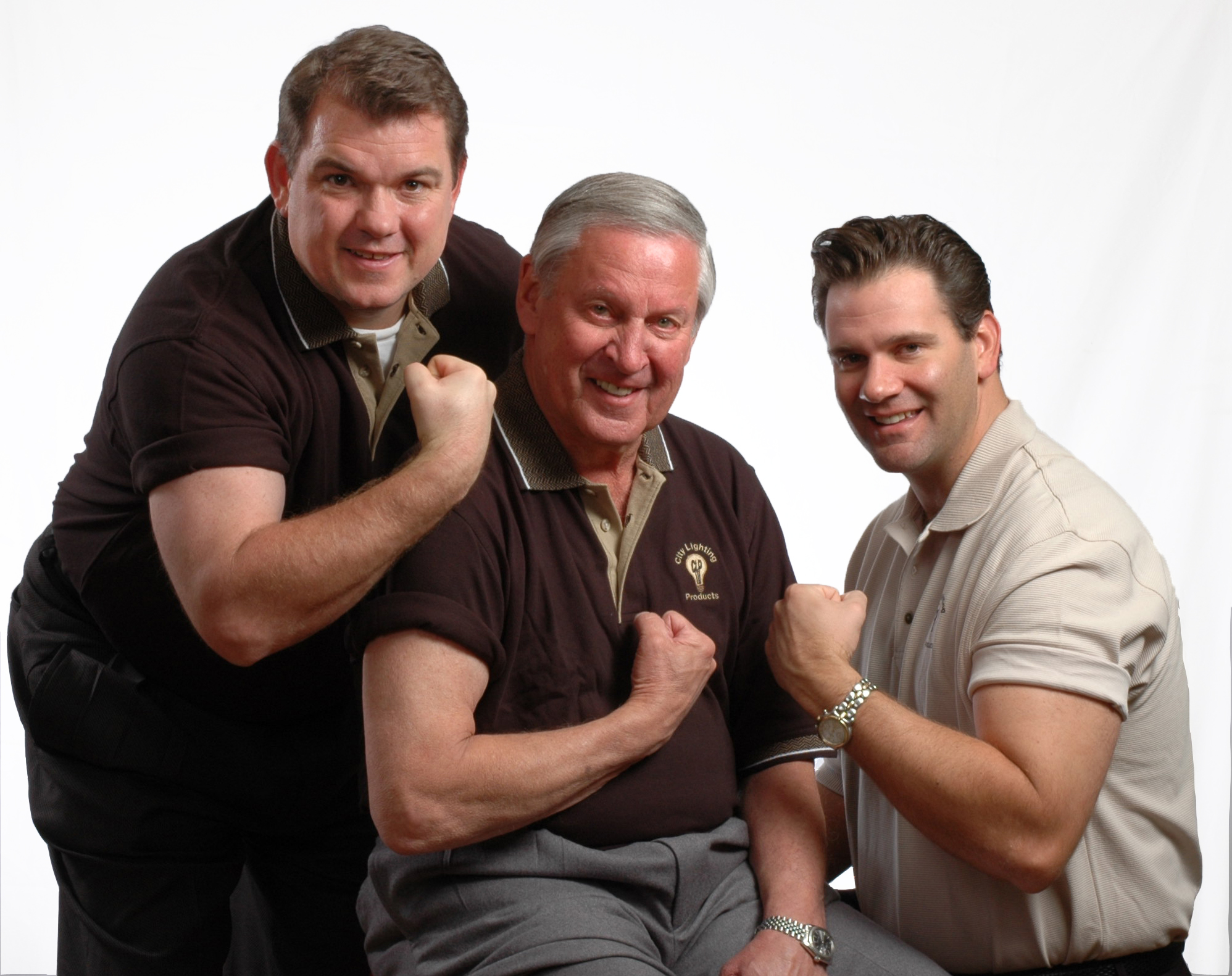
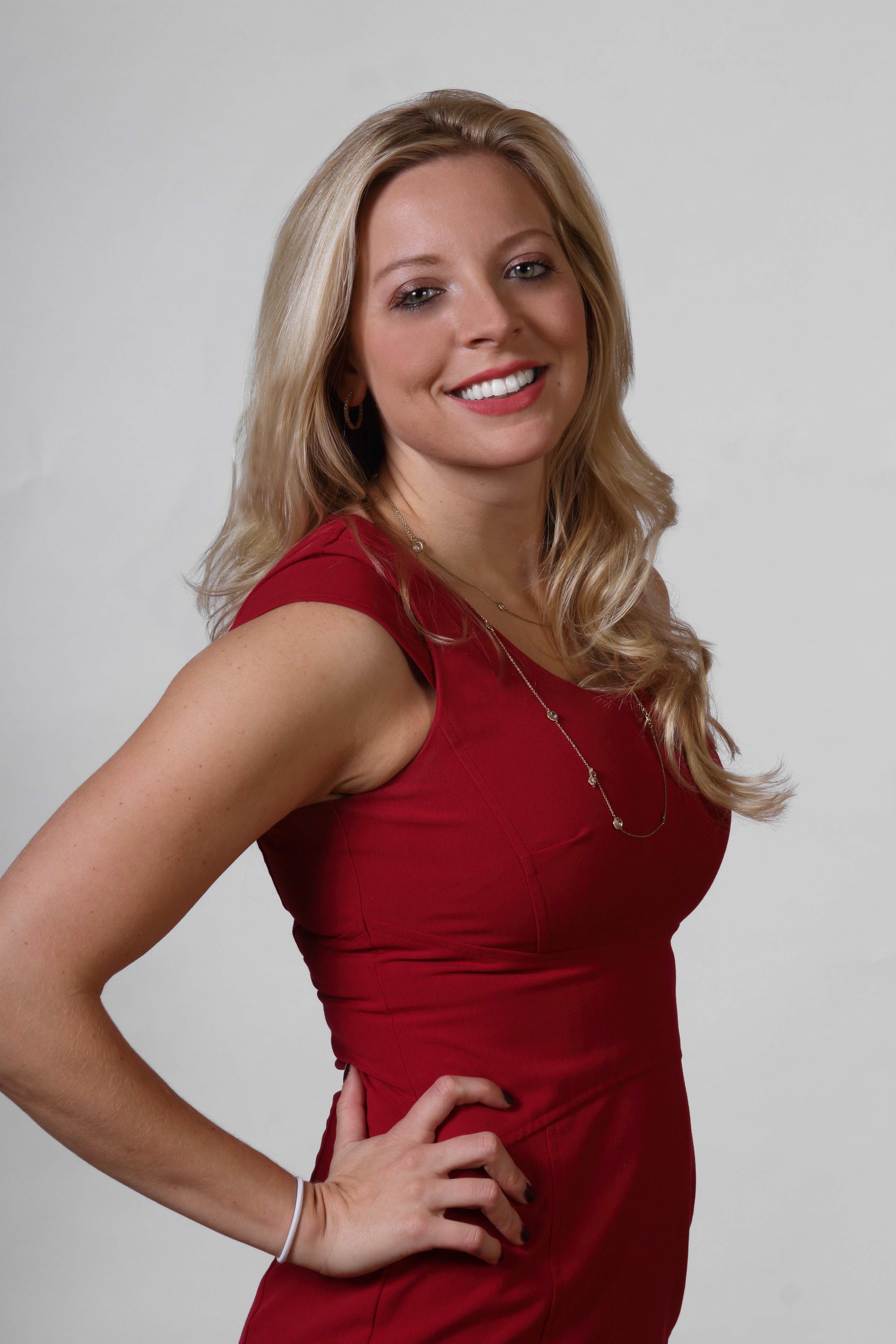
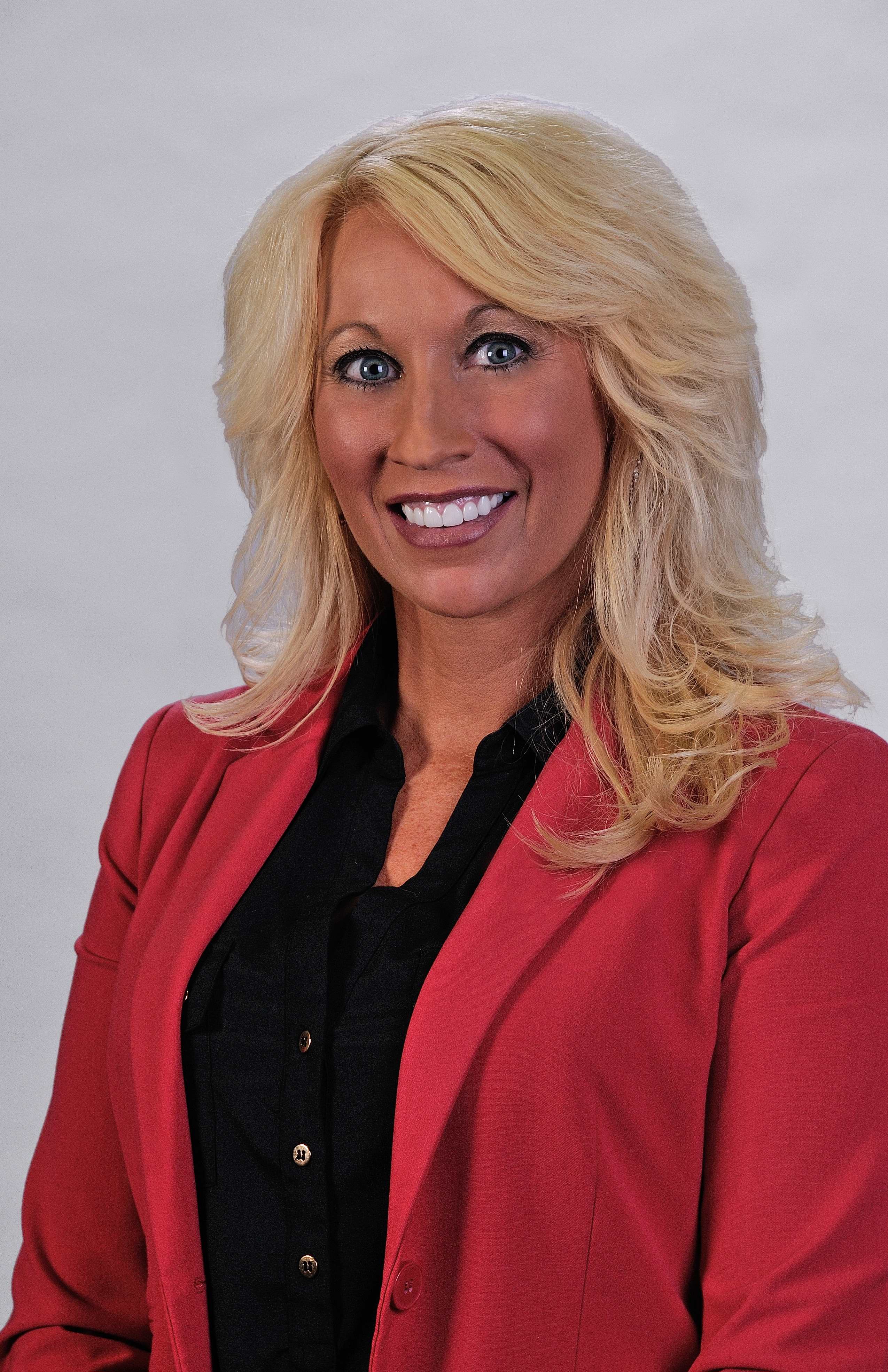
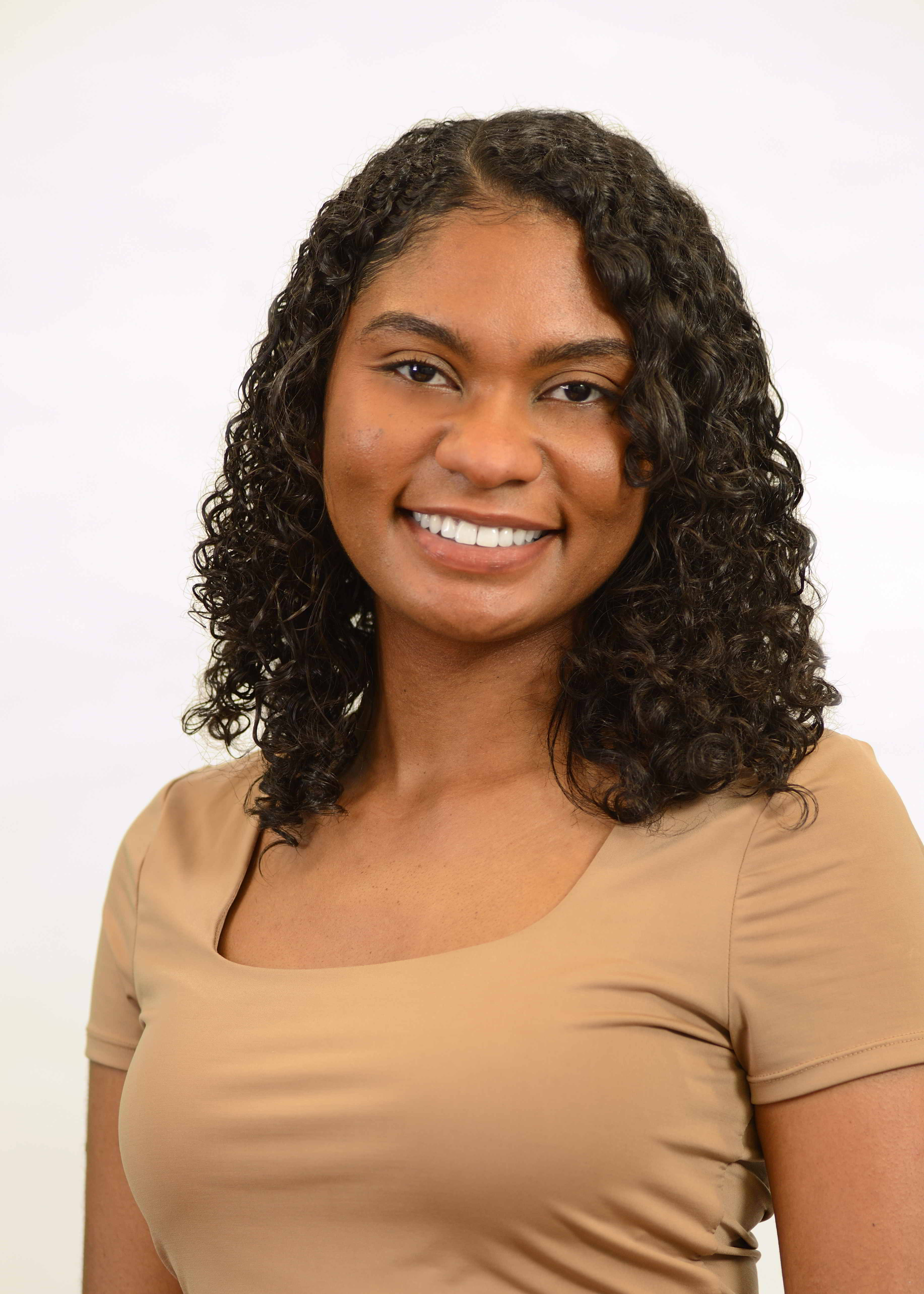
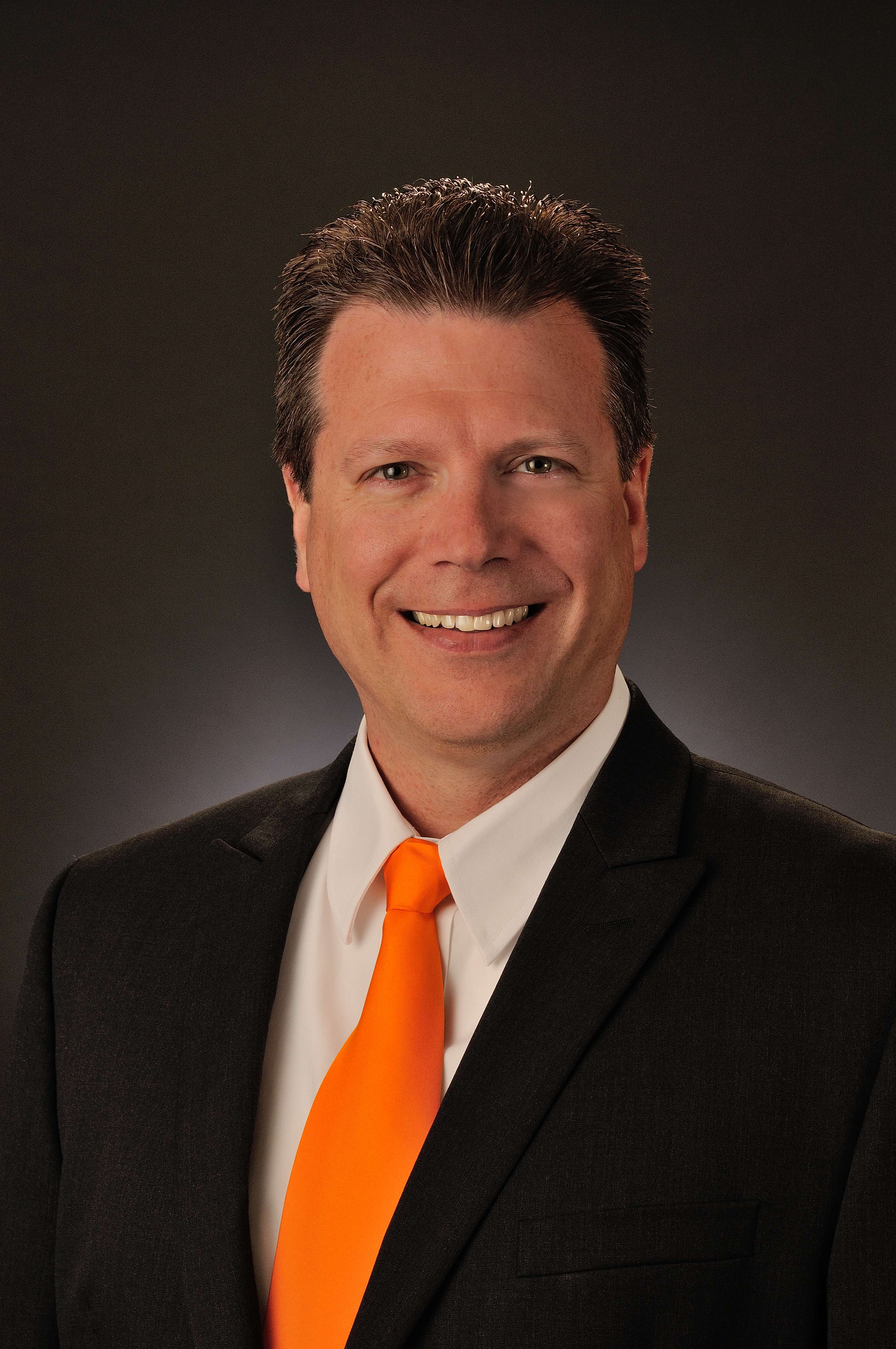
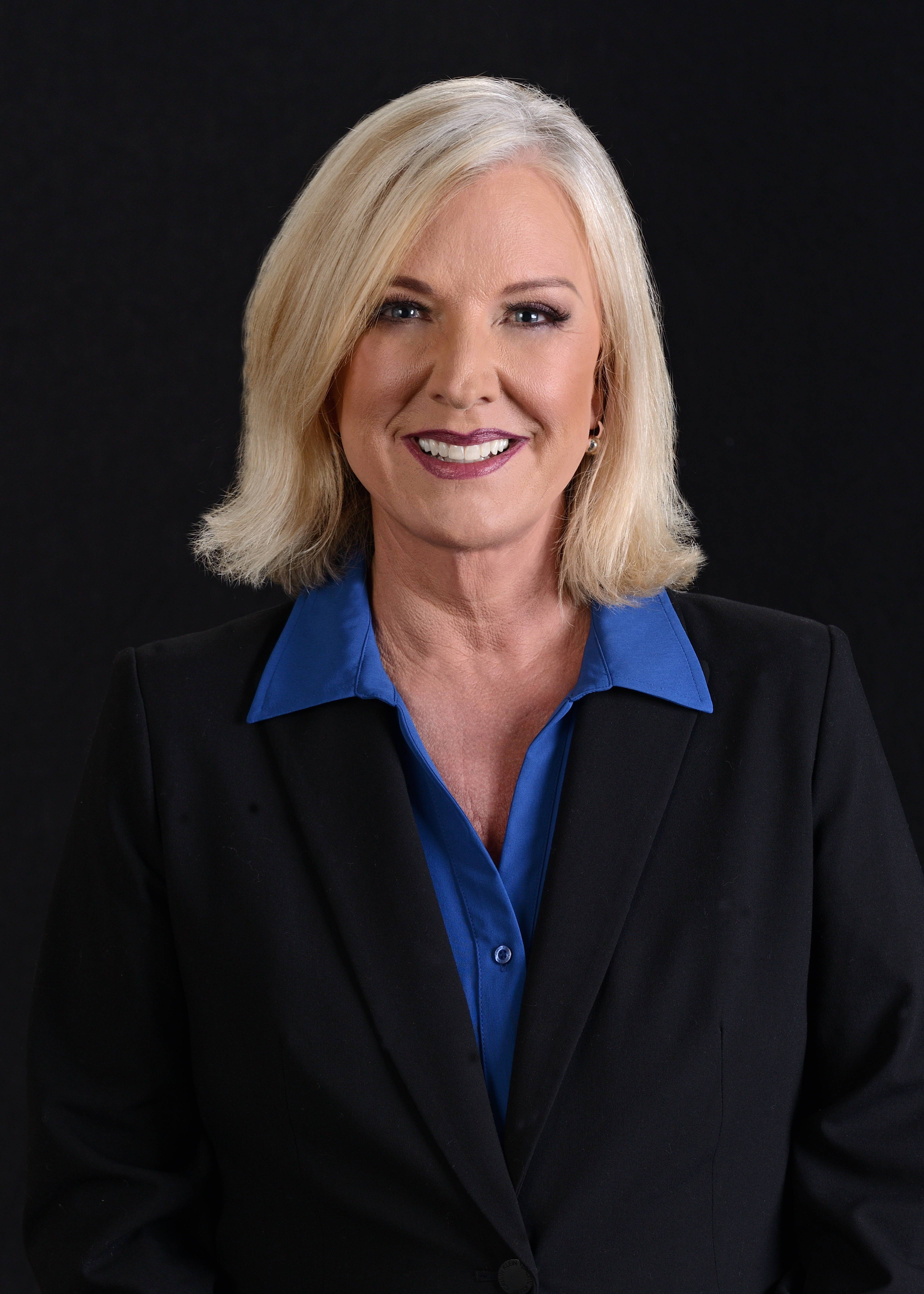
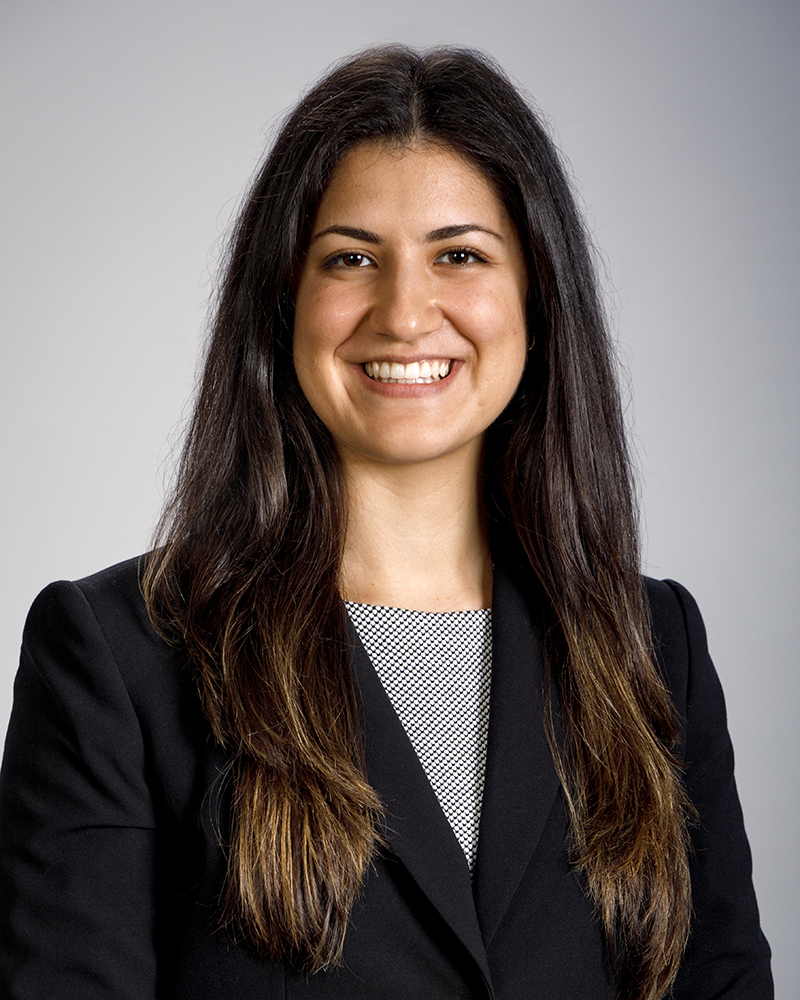
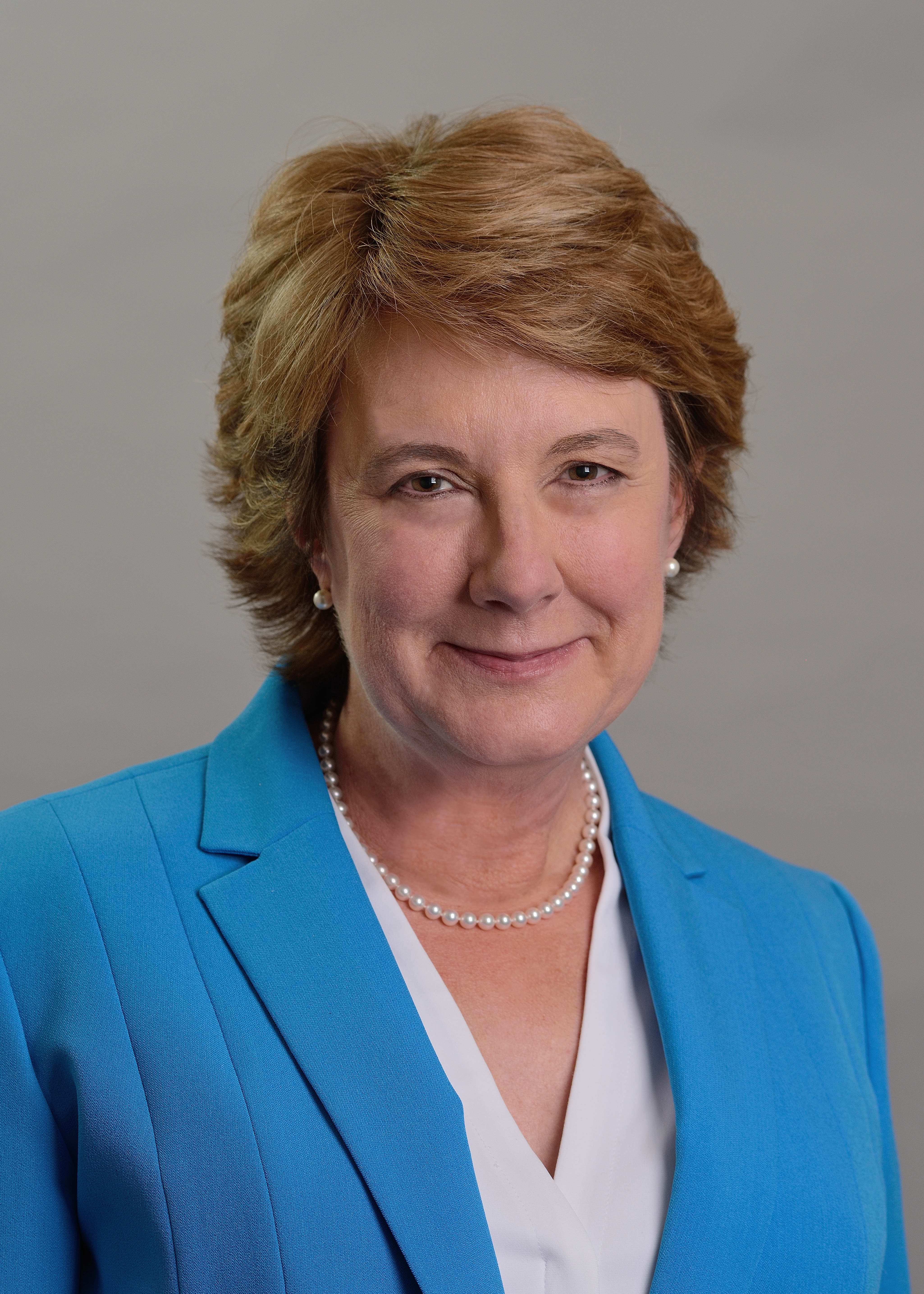
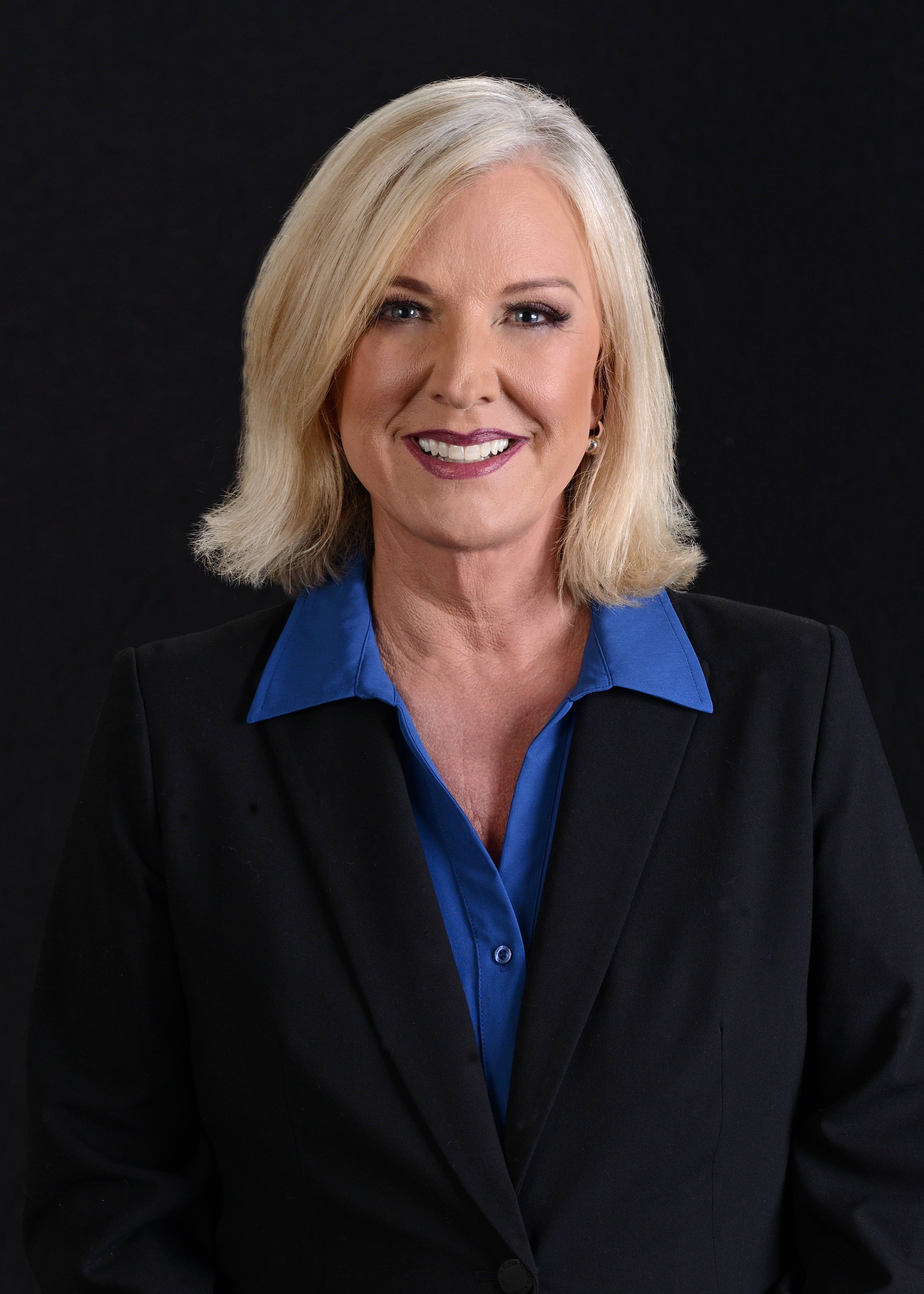
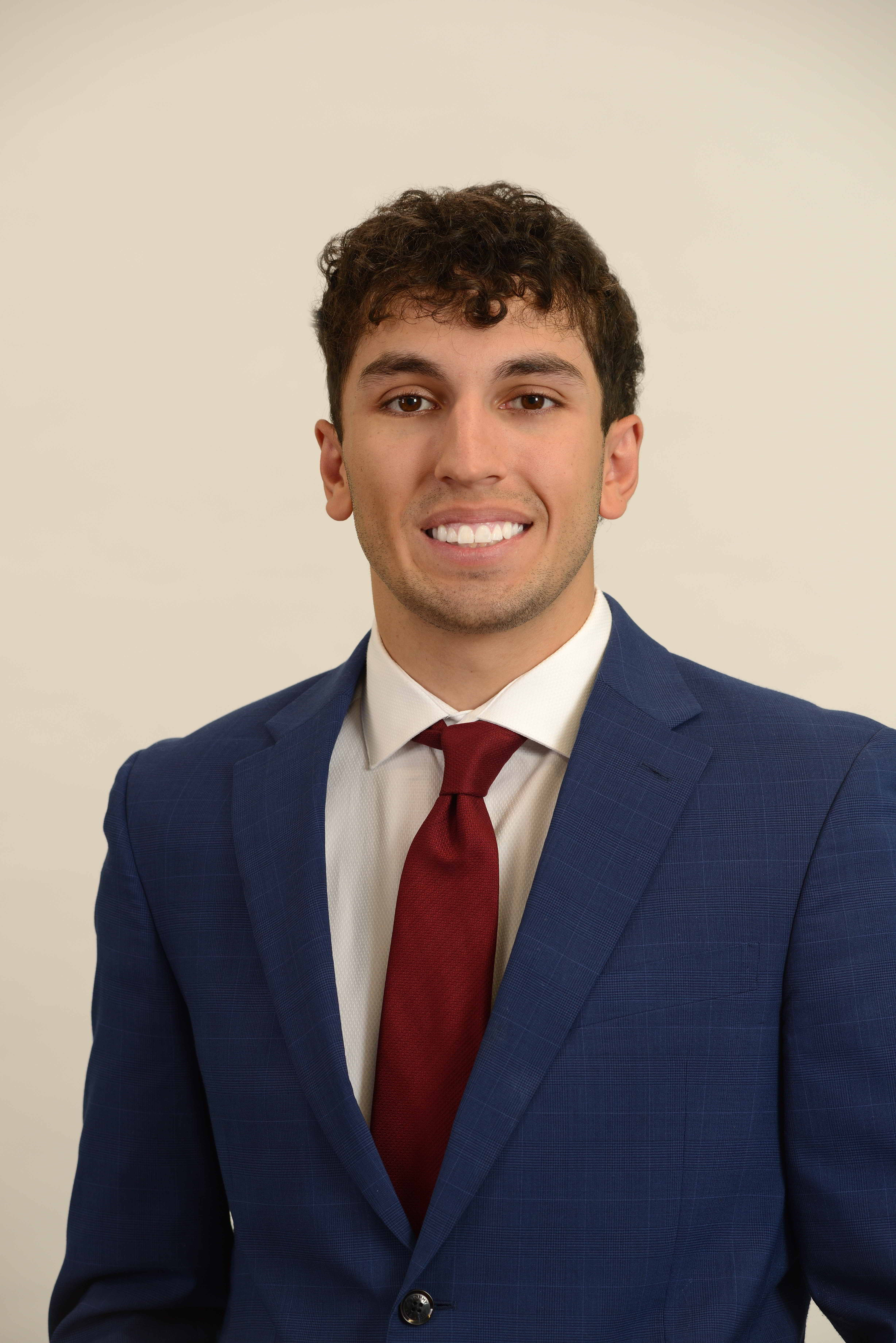
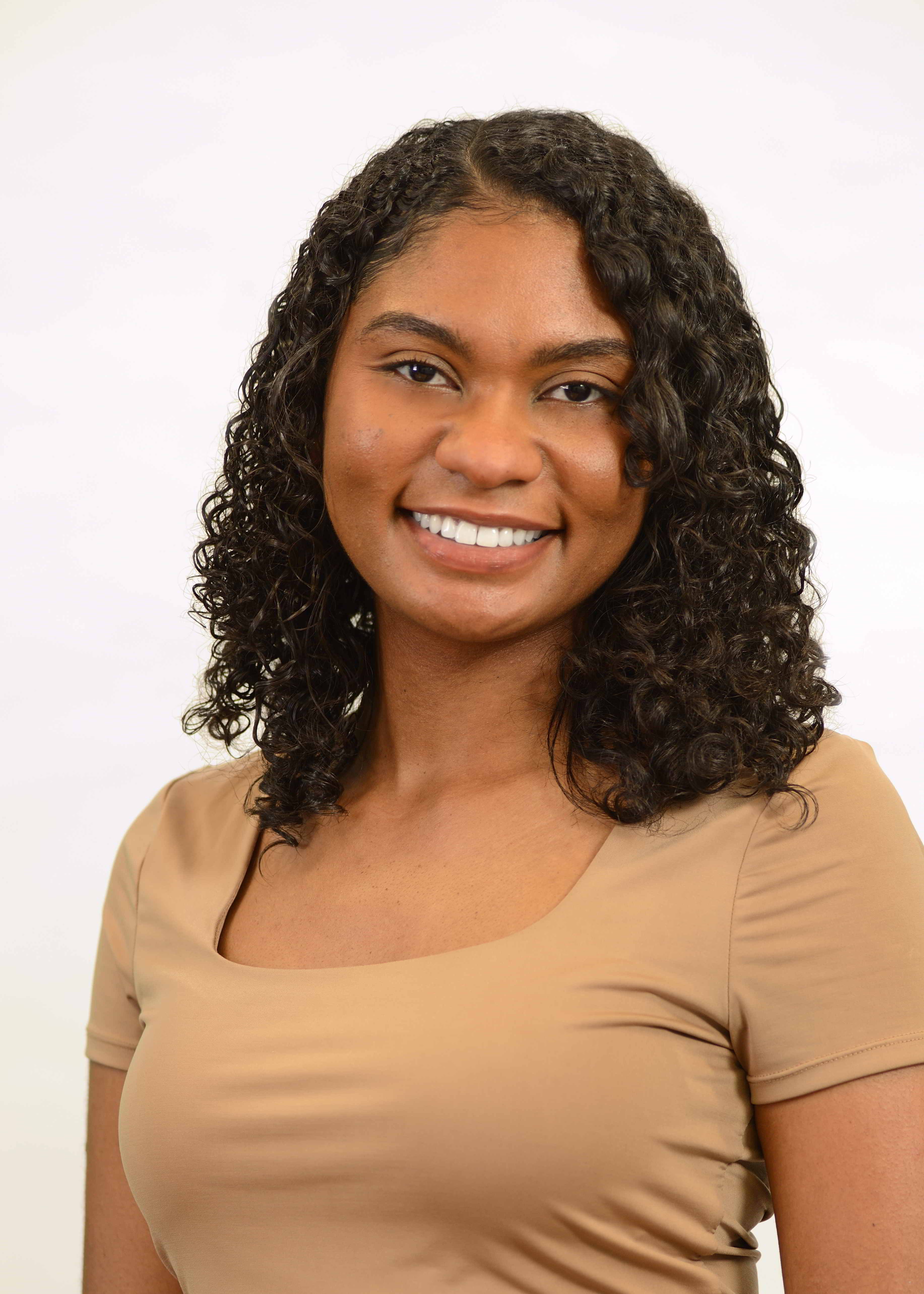
One of the biggest advantages of a studio session is predictability. There are no weather concerns, no shifting natural light, and no need to work around office traffic or environmental distractions. Every detail can be shaped to support the intended look, whether that means a crisp white background, a sophisticated gray tone, a dramatic dark backdrop, or a custom lit corporate style.
Studio sessions also tend to put many subjects at ease once they realize the environment is designed specifically for portrait work. The lighting is flattering, the setup is professional, and the photographer can focus completely on expression, posture, and subtle direction. For people who do not enjoy being photographed, that focused environment often produces better results.
When On-Location Headshots Make the Most Sense
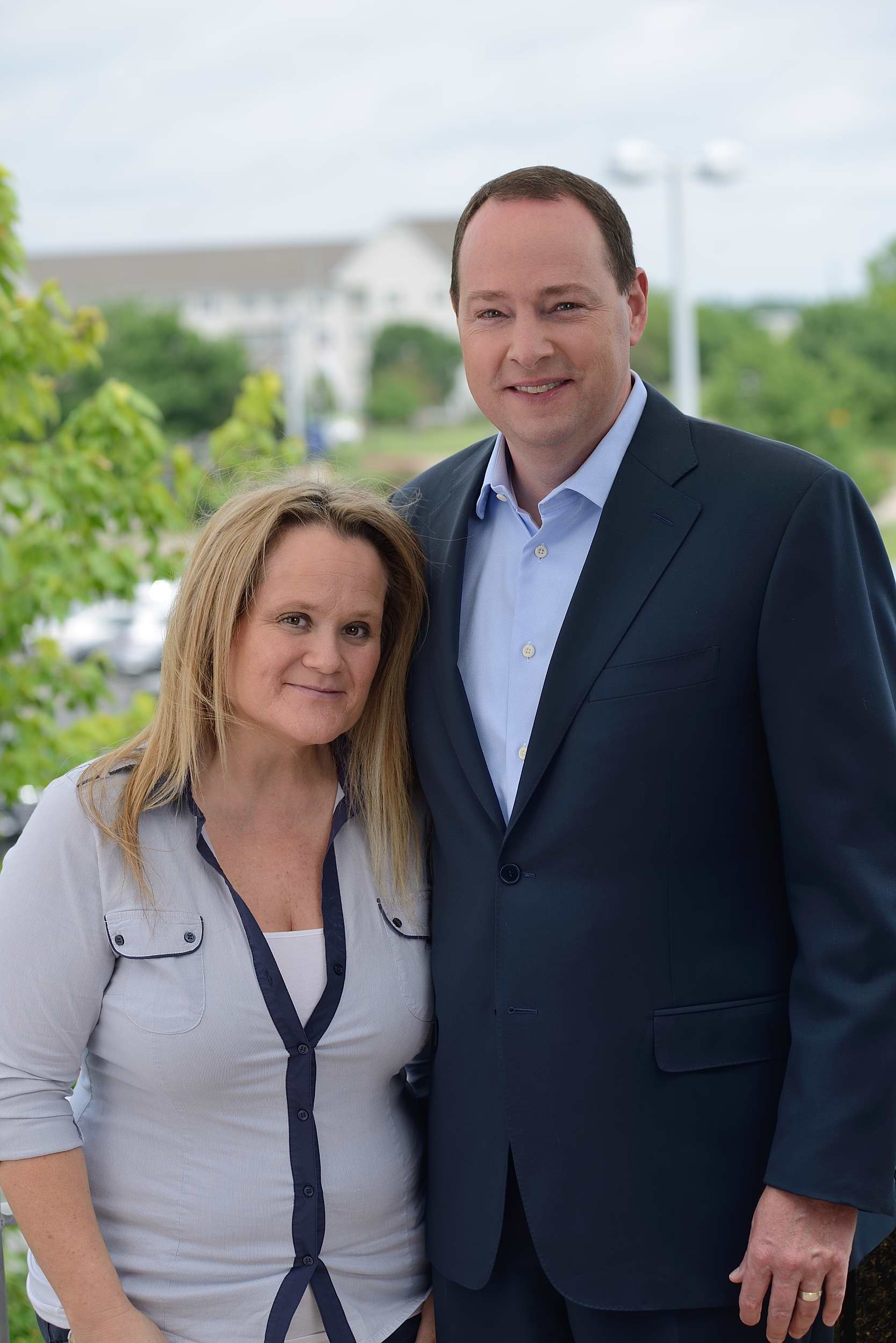
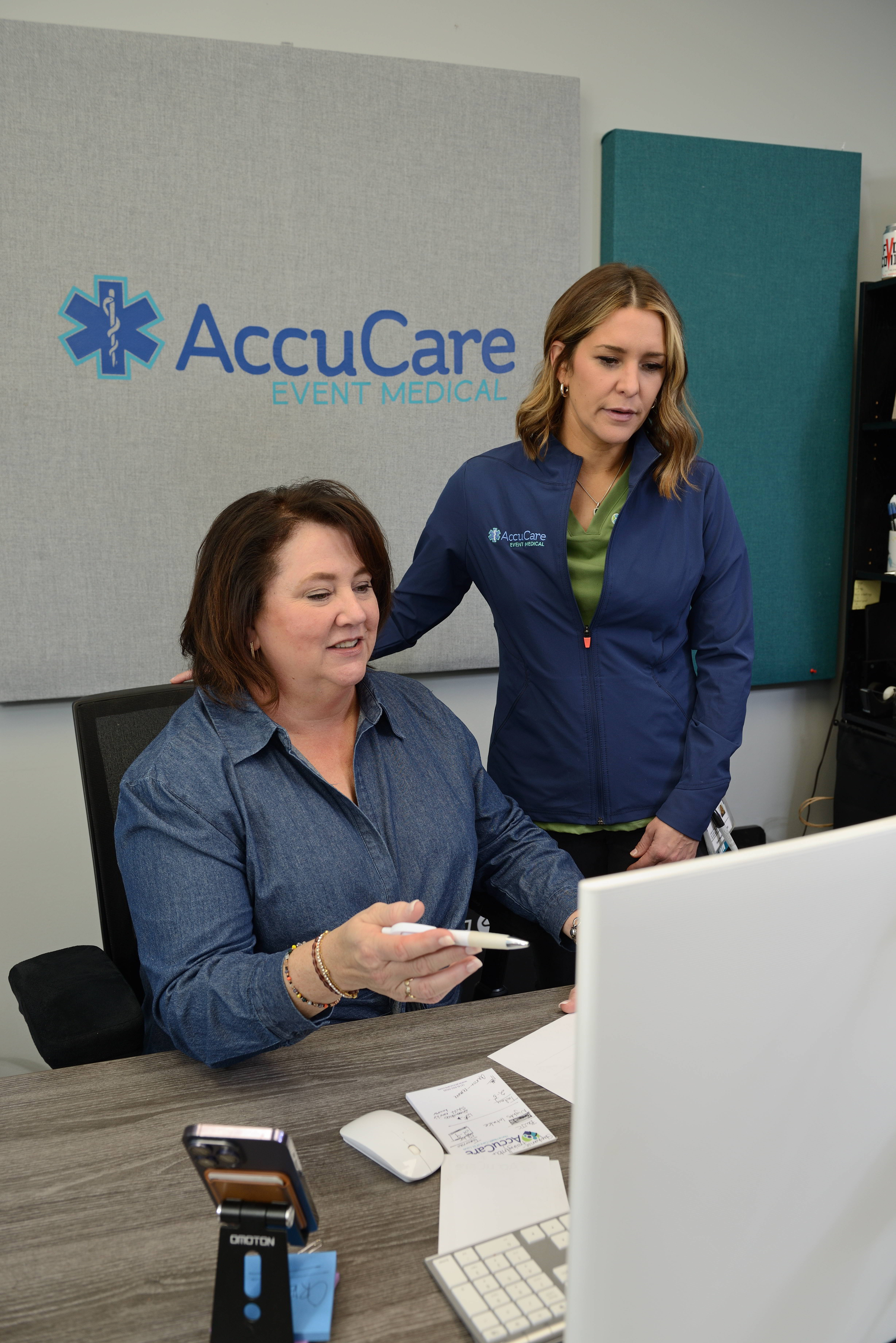
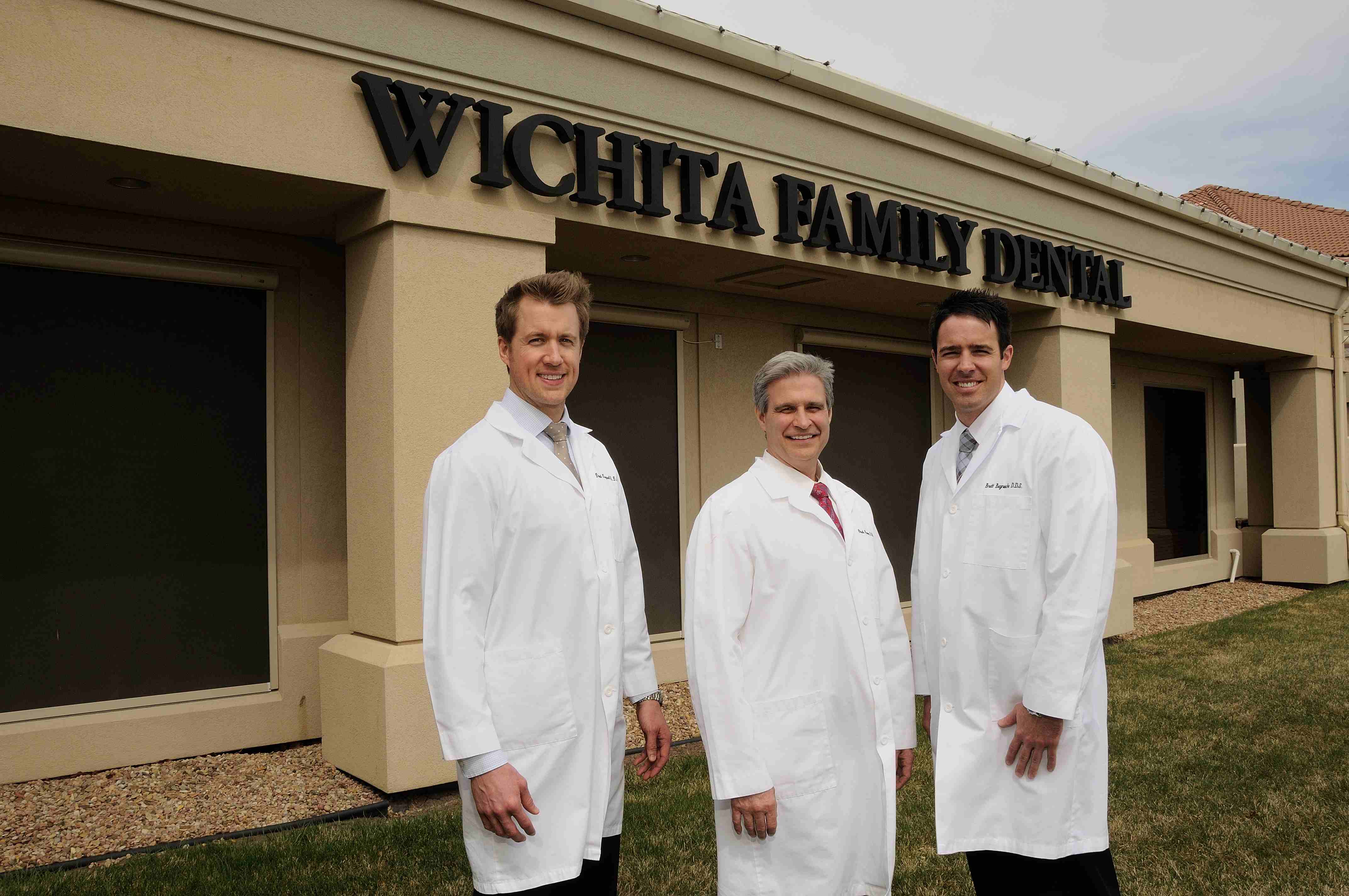
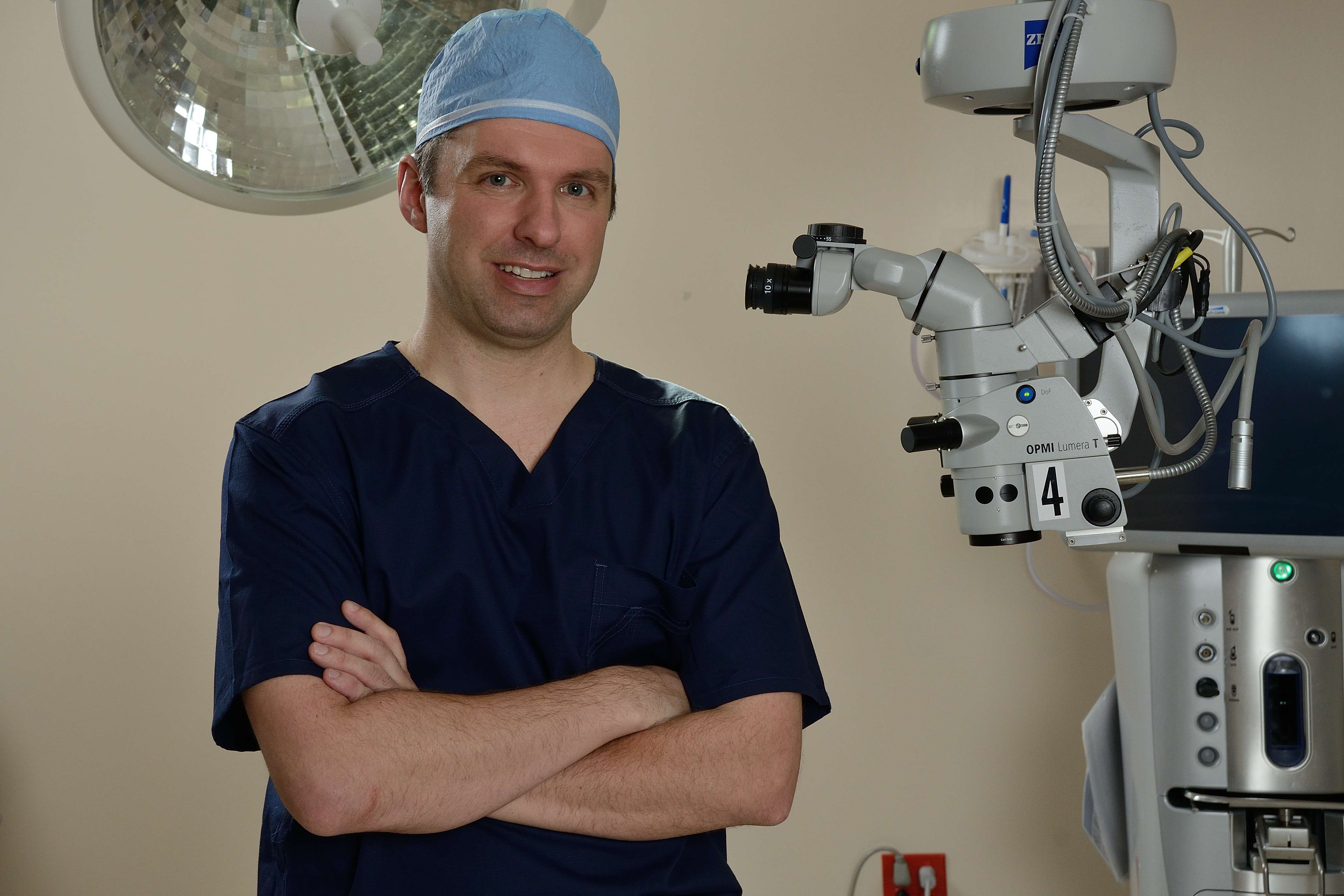
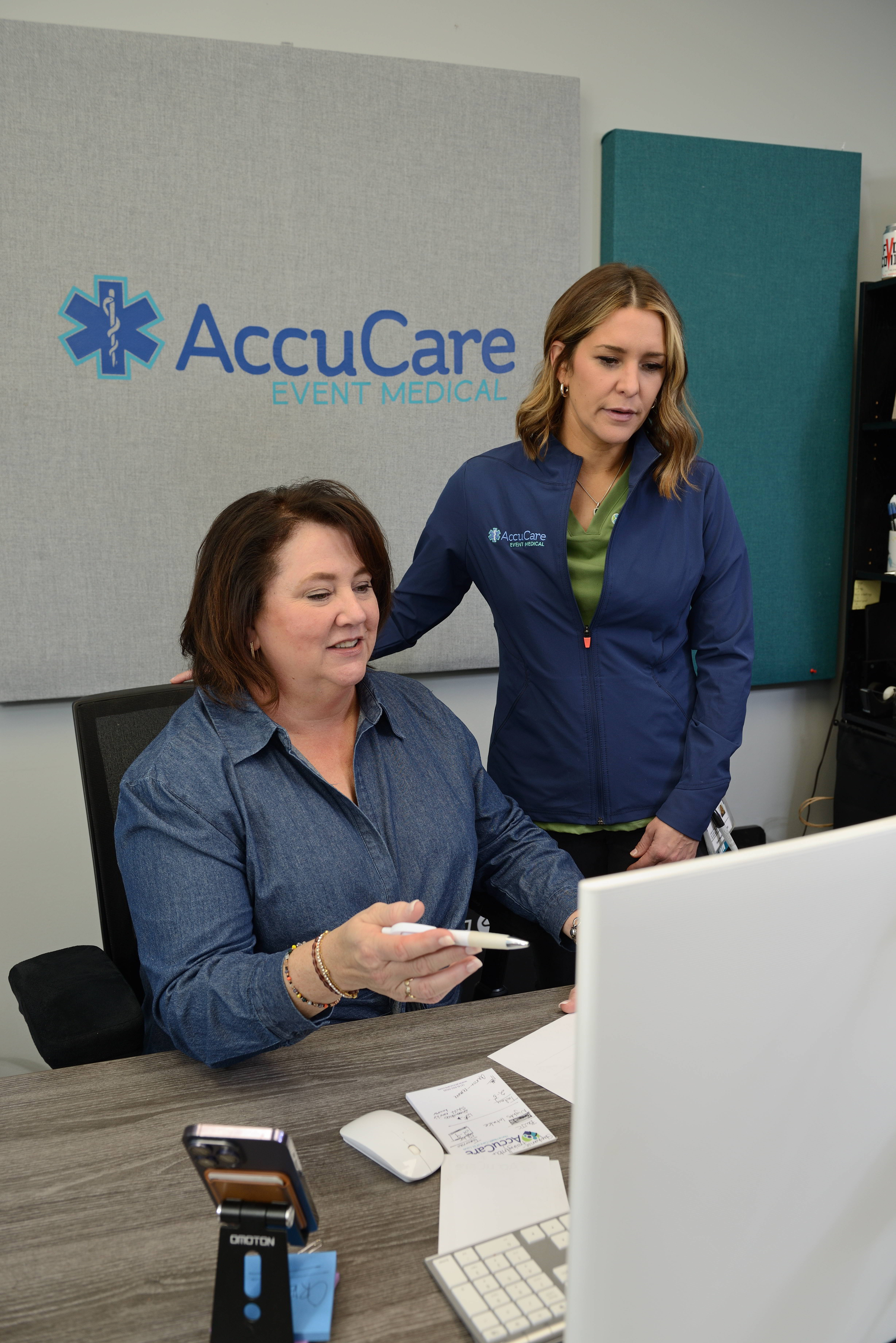
On-location headshots offer a different kind of value. For many businesses, the greatest benefit is efficiency. Instead of moving an entire team off-site, the production team brings the studio to you. This allows employees, executives, physicians, sales teams, or department leaders to be photographed in a familiar setting with minimal disruption to the workday.
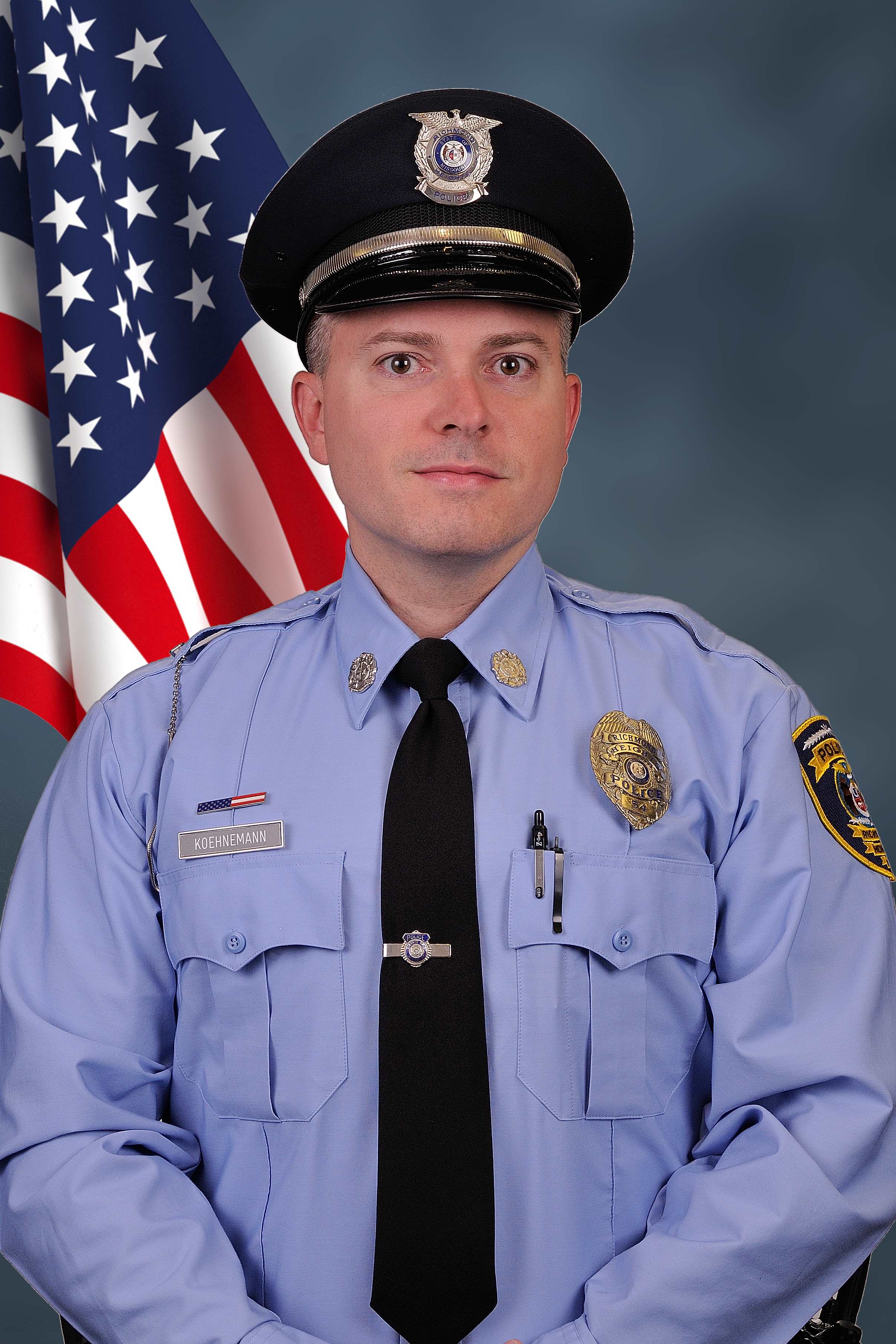
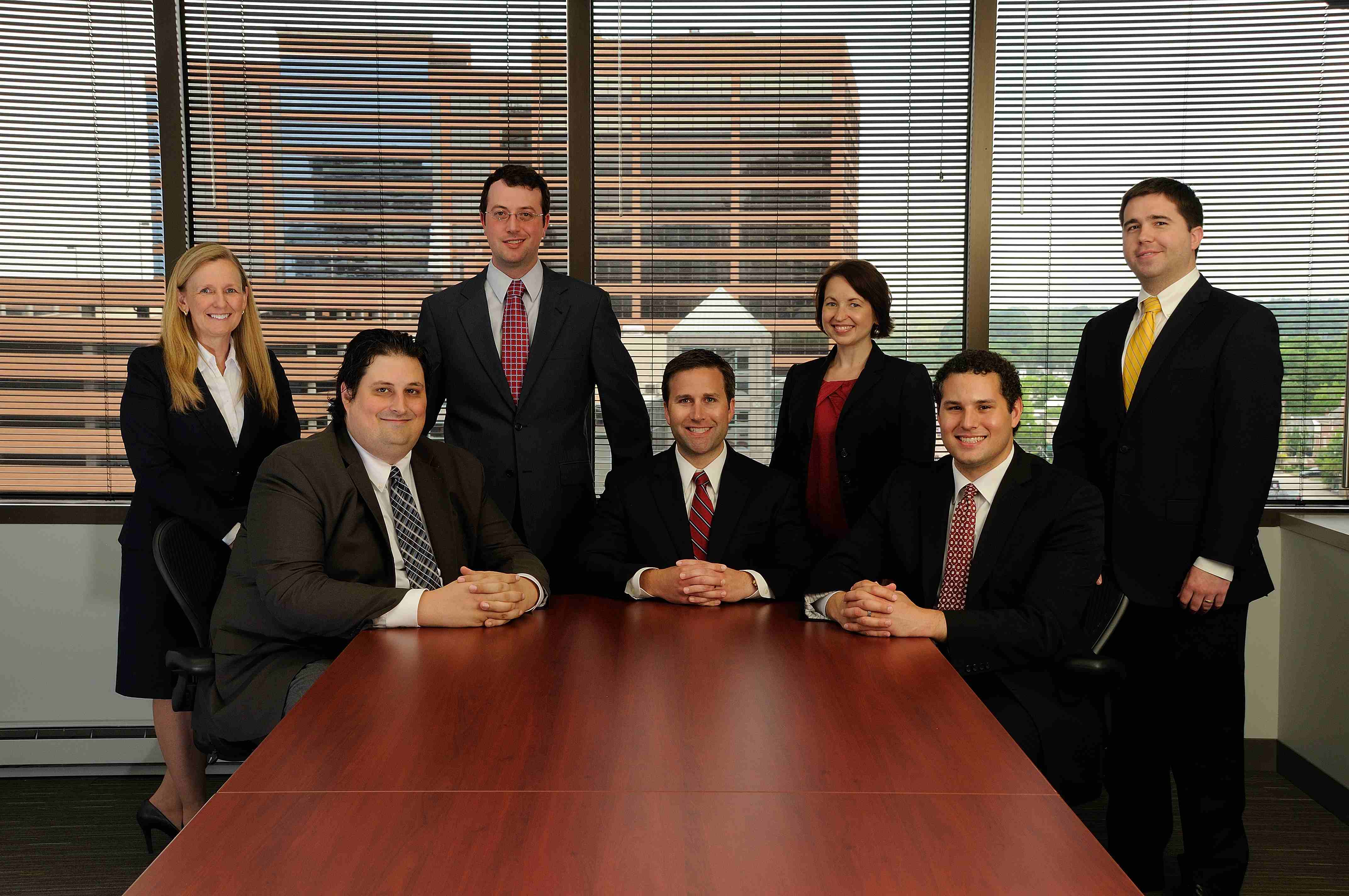
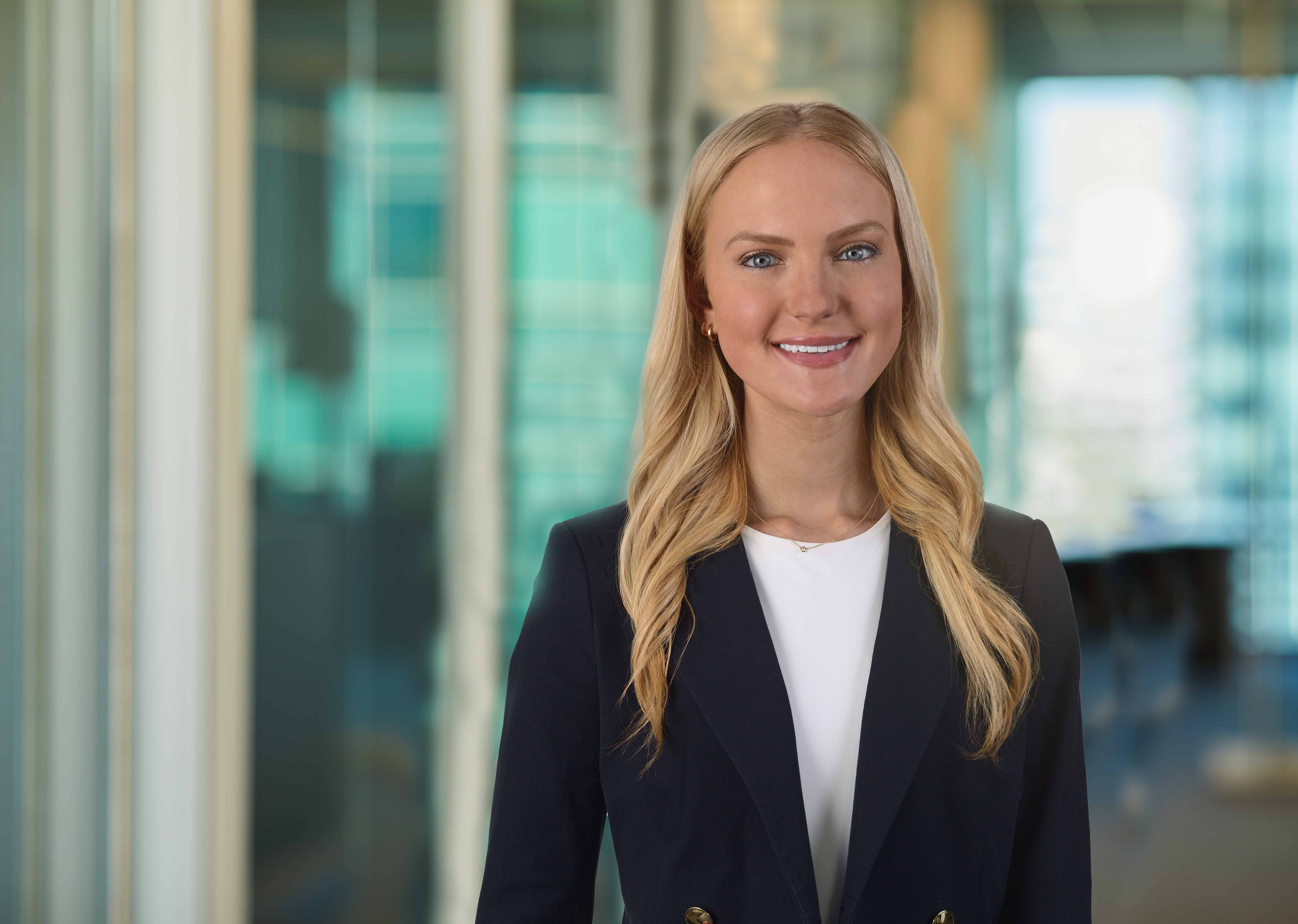
For organizations scheduling multiple team members, on-location headshots can be the smartest operational decision. A conference room, lobby, open office area, or designated production space can often be transformed into a professional portrait setup. With the right lighting, backgrounds, and workflow, the results can be highly polished and consistent.
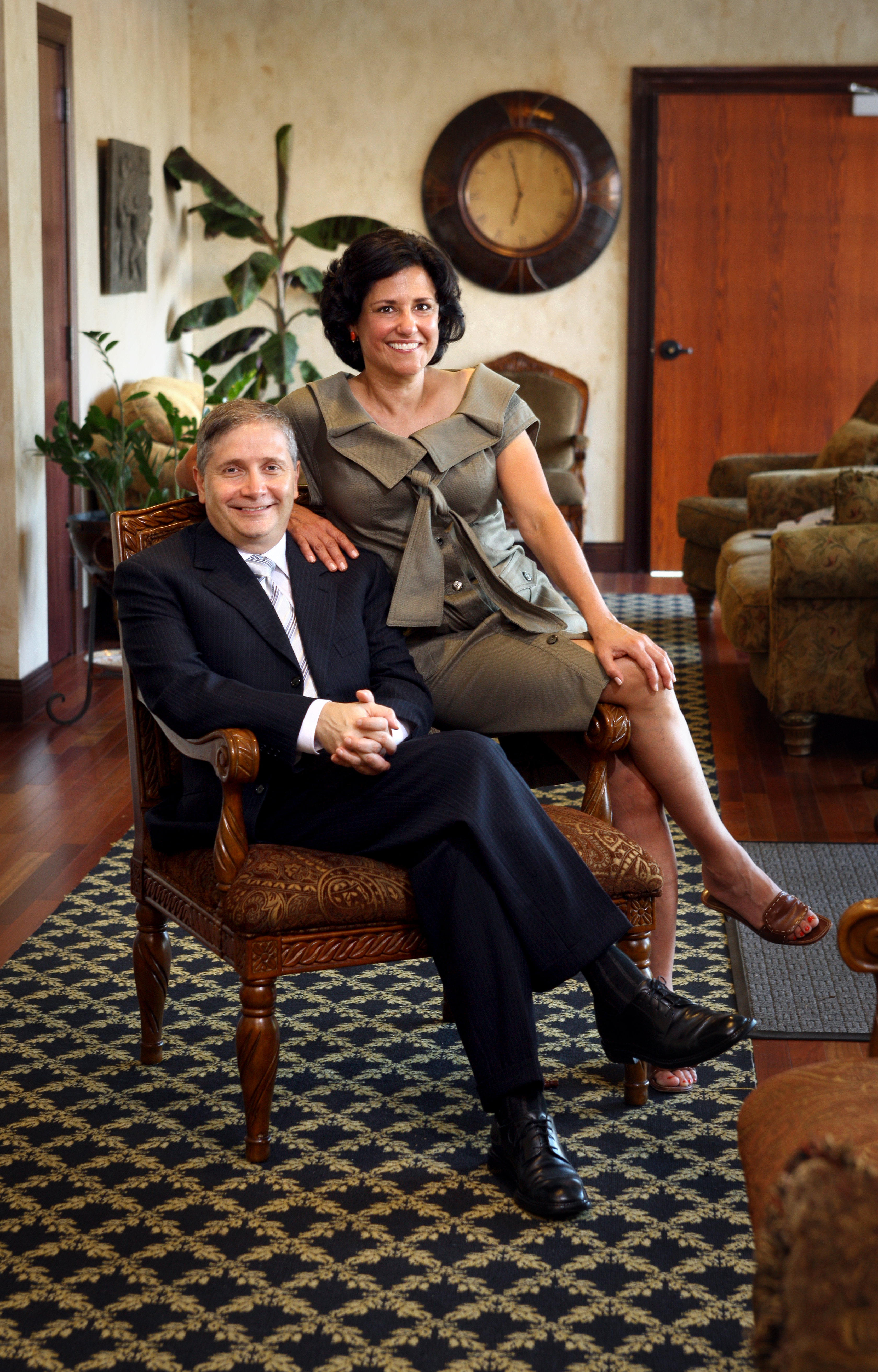
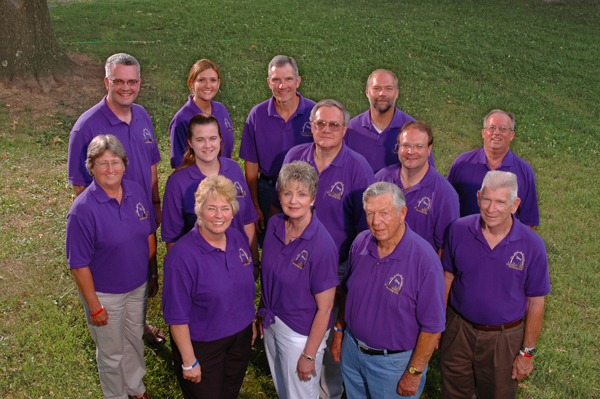
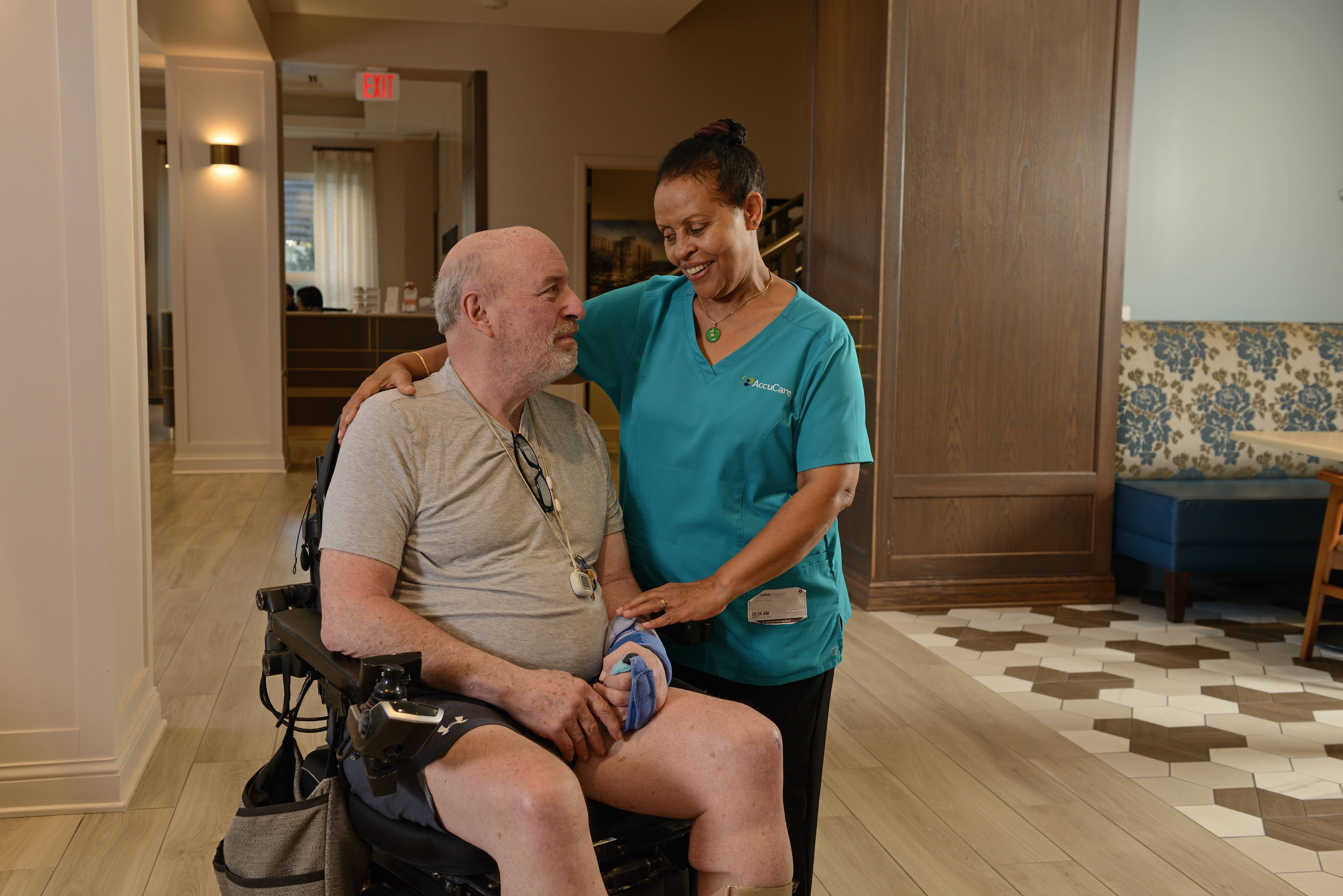
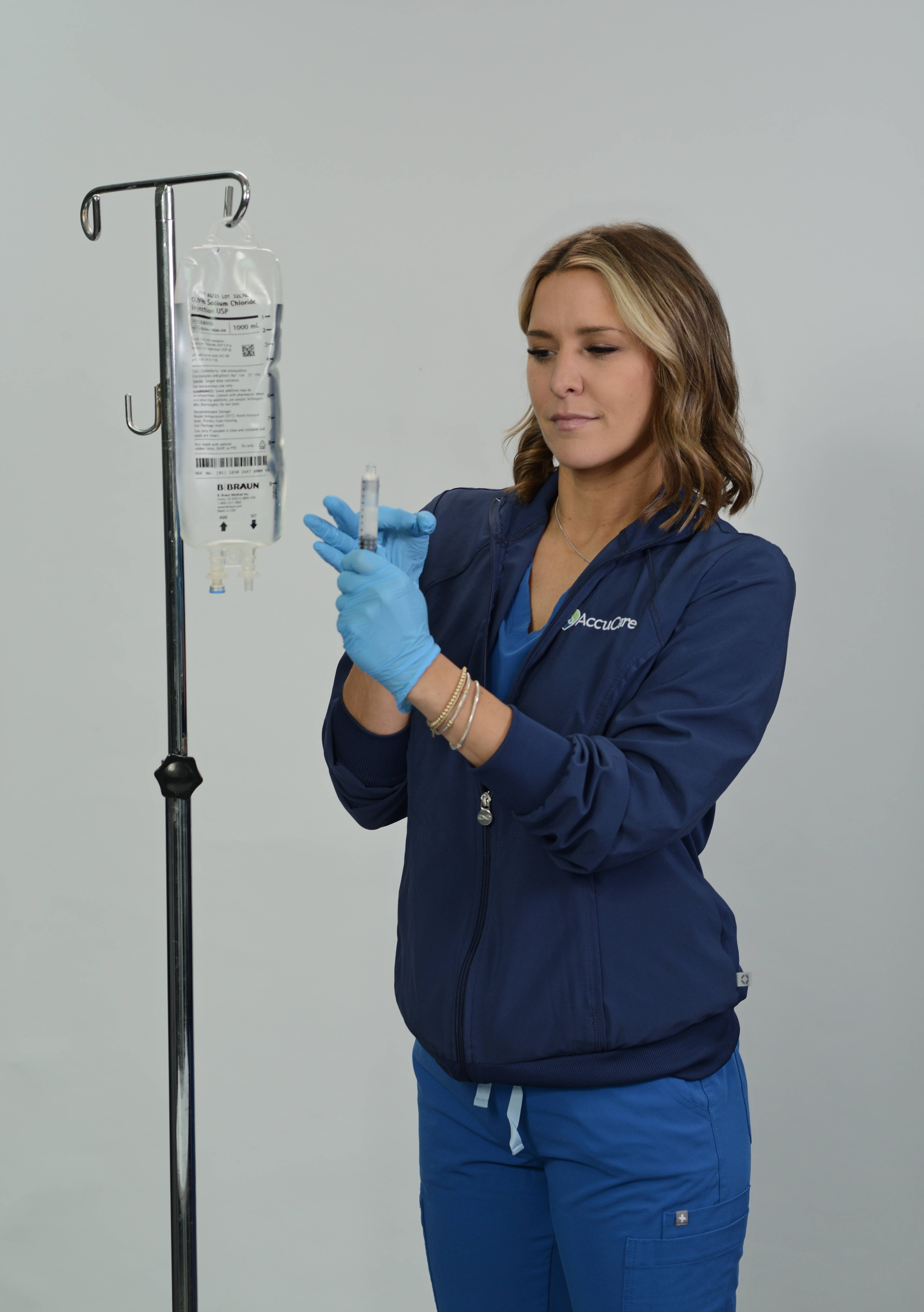
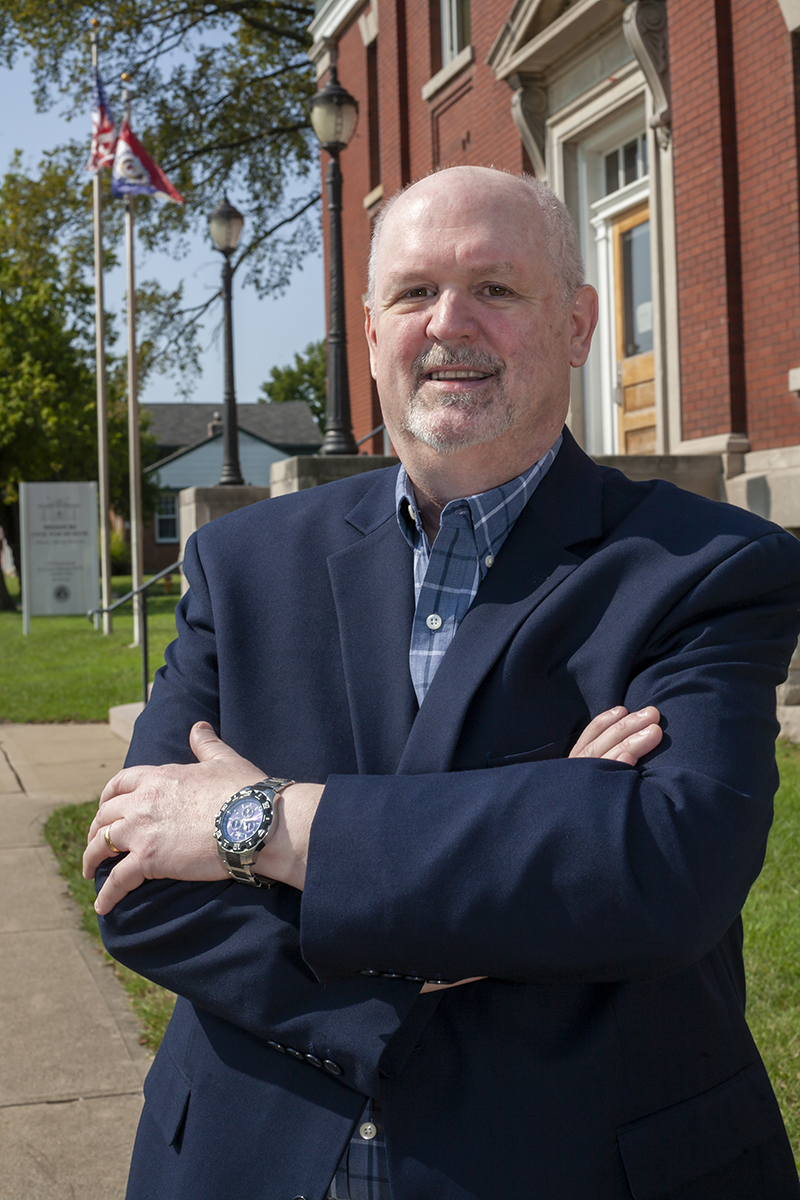
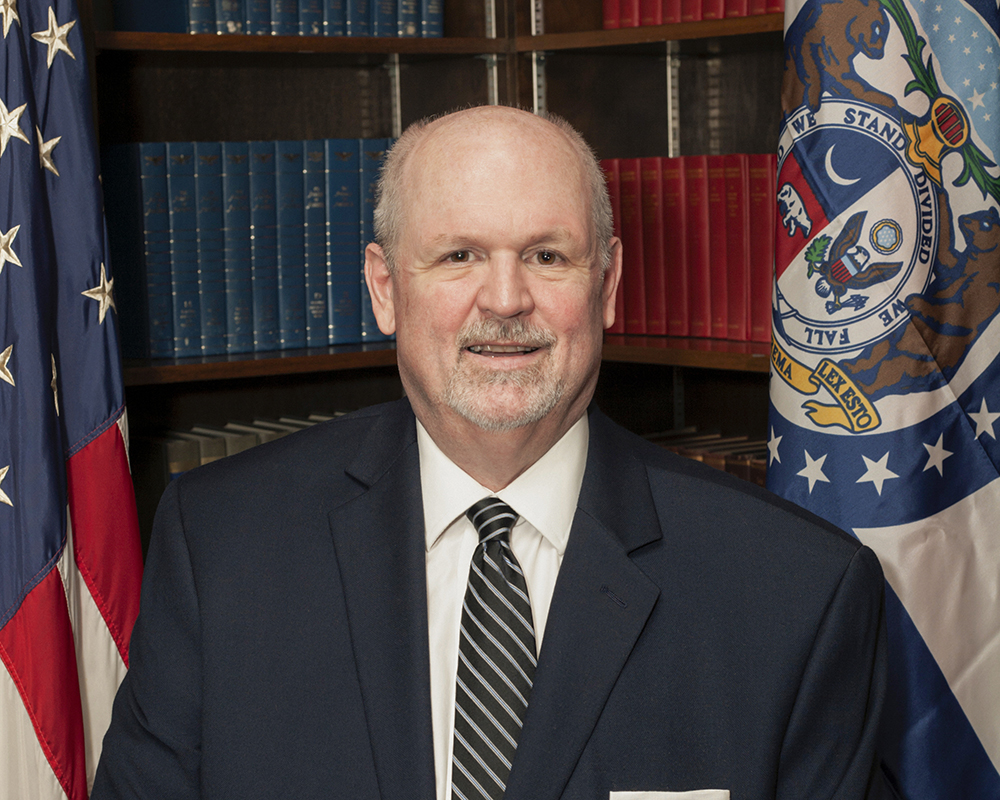
There is also a branding advantage to photographing at your location when the environment matters. Some companies want their workplace reflected subtly in the image. A modern office, an architectural feature, a lab, a production floor, or a branded interior can provide visual context that supports the organization’s identity. Environmental headshots can feel more natural, more contemporary, and more connected to the business itself.
For firms with busy leadership, healthcare practices with limited downtime, and companies trying to update dozens or hundreds of staff portraits, on-location photography is often the most practical way to complete the project without losing quality.



Studio Versus On-Location: What Decision Makers Should Consider
The choice between studio and on-location headshots should not be based only on convenience. It should be guided by the intended use of the images and the level of consistency required.
If your goal is the most controlled, timeless, and polished portrait possible, studio photography usually has the advantage. If your goal is to photograph a large group efficiently while keeping a professional look consistent across many people, an on-location setup may be the better solution.
There are several practical considerations that should shape the decision.
Brand style: Does your organization want a classic, neutral headshot or something more environmental and modern?
Team size: A single executive or small leadership group may benefit from a studio experience. A larger organization often benefits from bringing the setup on-site.
Scheduling: If employees have limited availability, on-location sessions reduce travel and keep the process moving.
Consistency over time: If you plan to photograph new hires periodically, it is important to establish a repeatable style, whether in the studio or with a portable on-location setup.
Space and logistics: Some locations are ideal for mobile production. Others are noisy, crowded, or visually distracting and may benefit from studio scheduling instead.

Usage needs: Website team pages, social profiles, recruiting materials, proposals, presentations, and press kits may each call for slightly different framing or styling.
A well-run headshot project begins by asking these questions before the first light is set.
Headshots for Individuals: More Than Just a Nice Picture
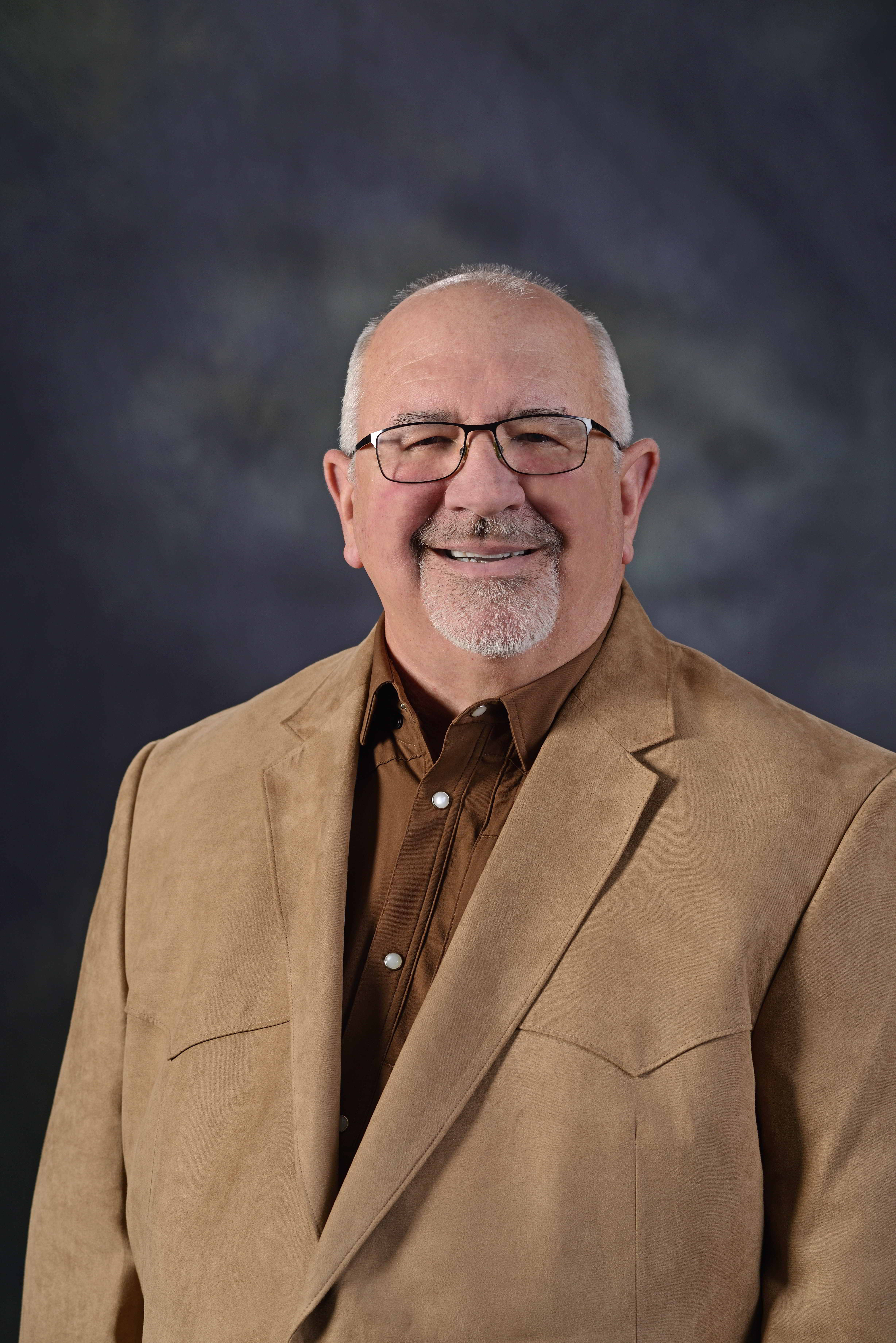
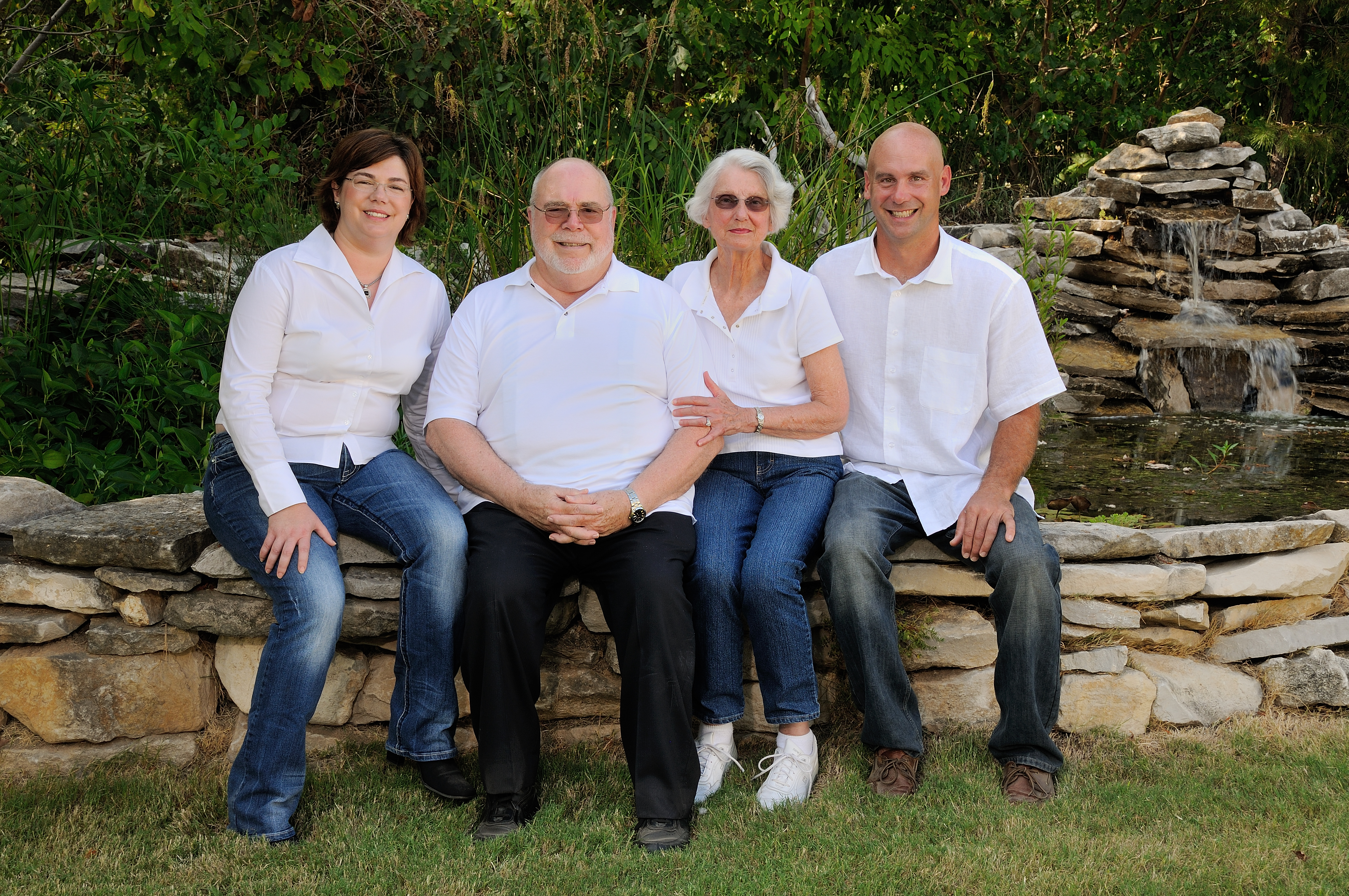
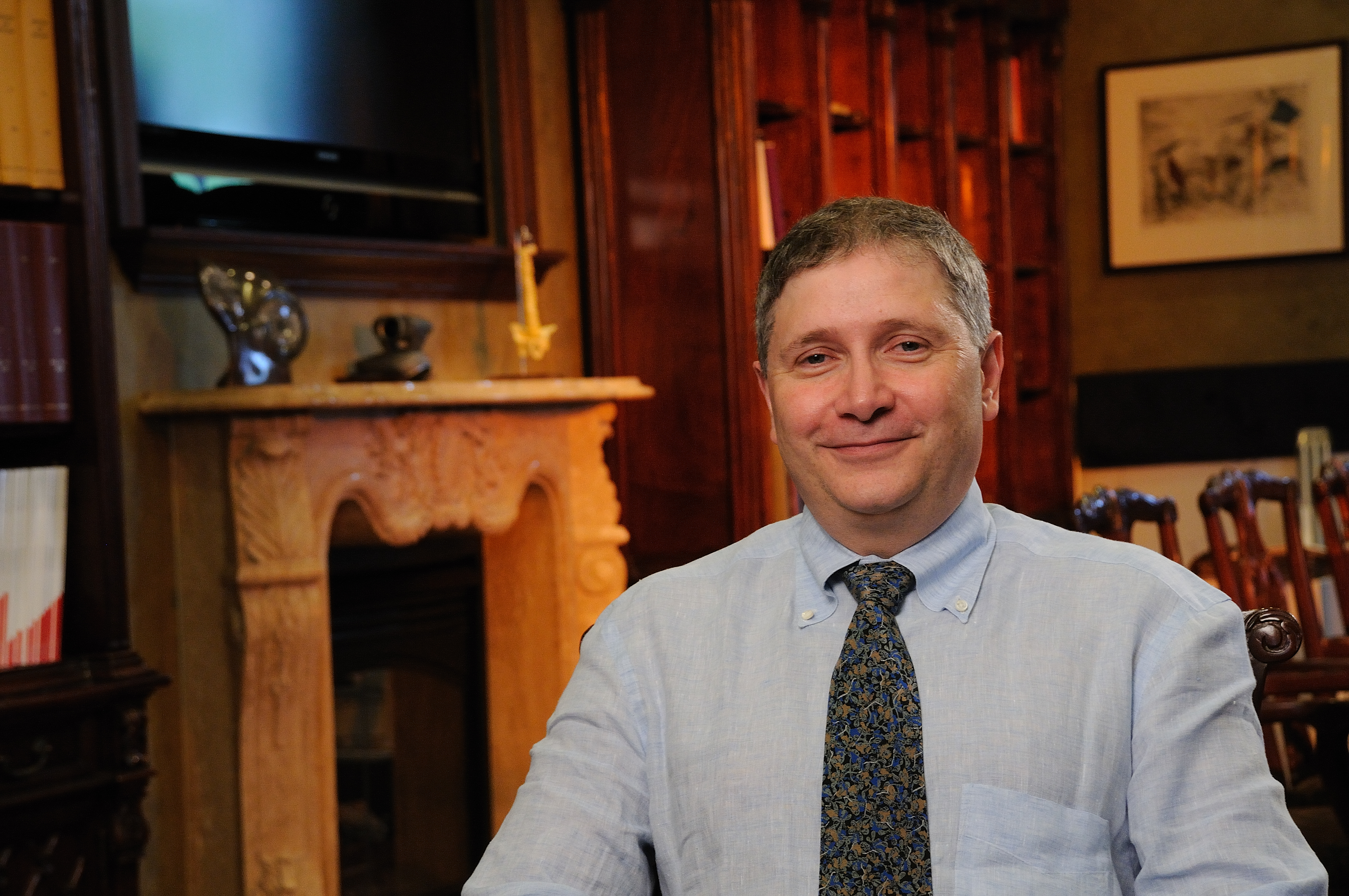
For an individual professional, a headshot should communicate approachability, competence, and confidence without looking forced or overly stylized. That balance is harder to achieve than many people realize. Wardrobe, posture, lighting, lens choice, background, and expression all influence the final impression.
A strong headshot should feel current and believable. It should look like the person on their best day, not like a version of them that feels overly retouched or disconnected from real life. The best headshots are polished enough for marketing use but authentic enough to build trust.
This is where experienced direction matters. Most people are not professional models, nor should they need to be. An experienced photographer knows how to coach subtle shifts in posture, chin angle, shoulder position, facial expression, and eye line so the image feels natural and confident. That guidance is often the difference between a usable photo and one that truly works.
Headshots for Multiple Team Members: Consistency Is the Real Challenge
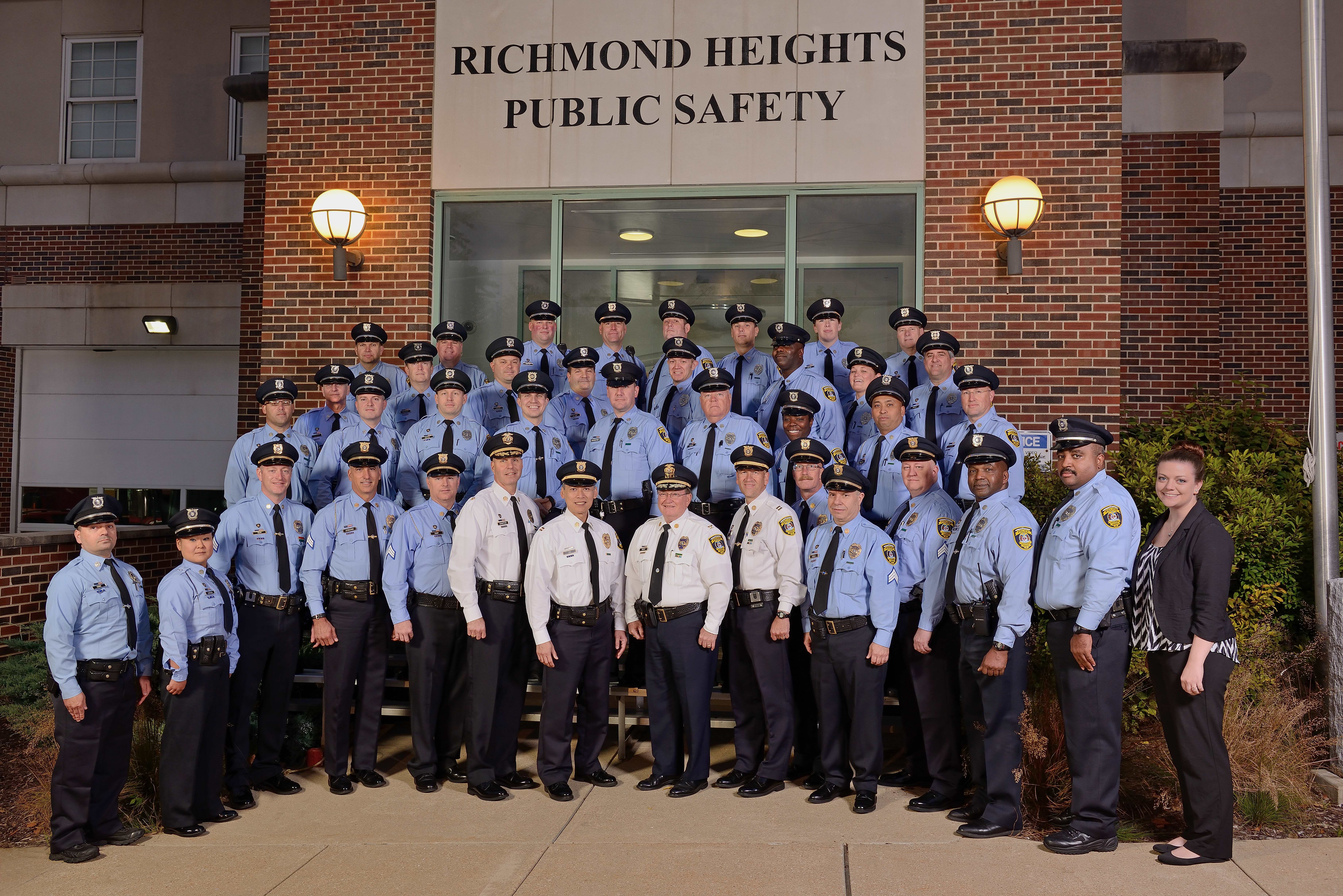
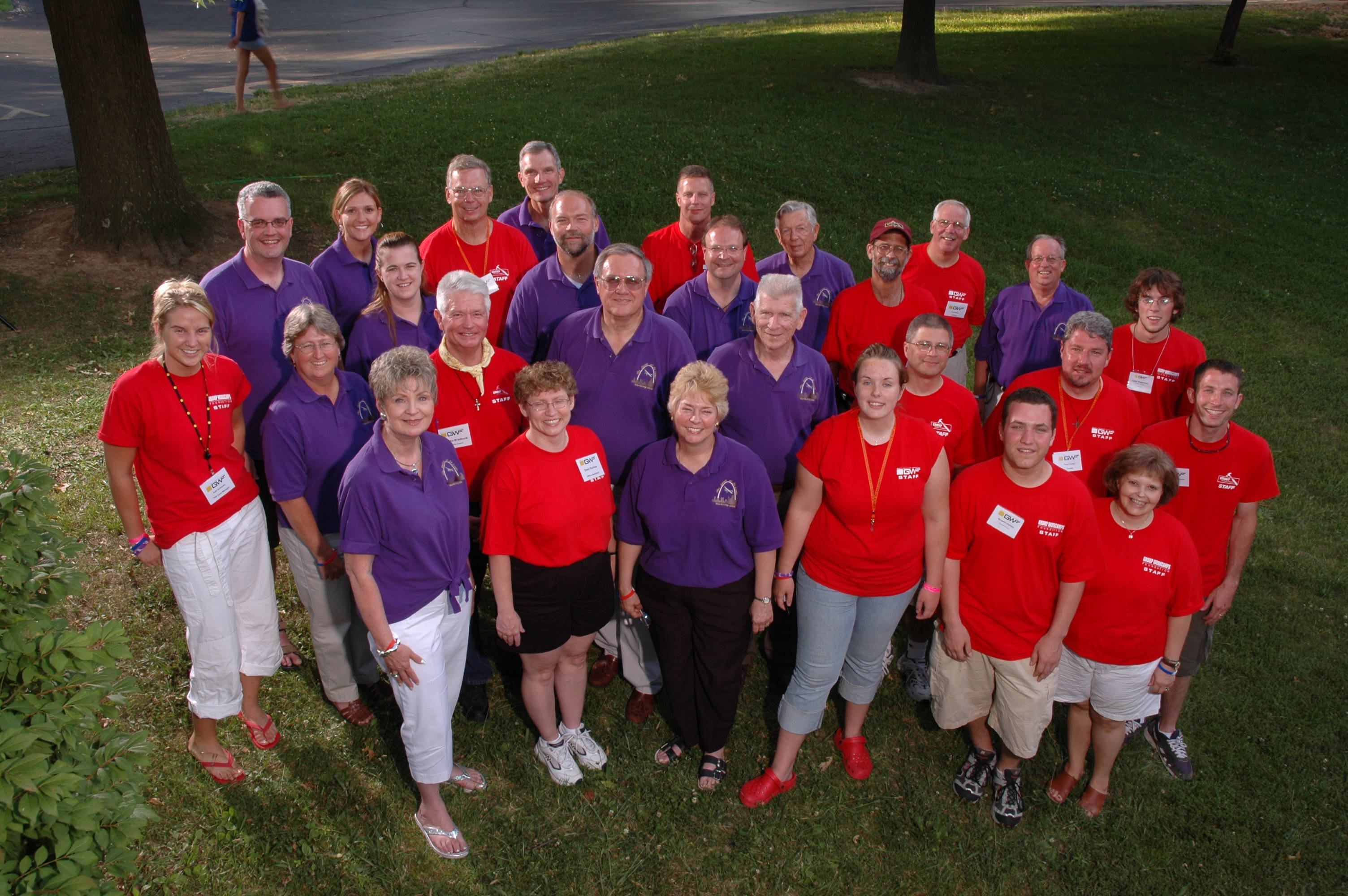
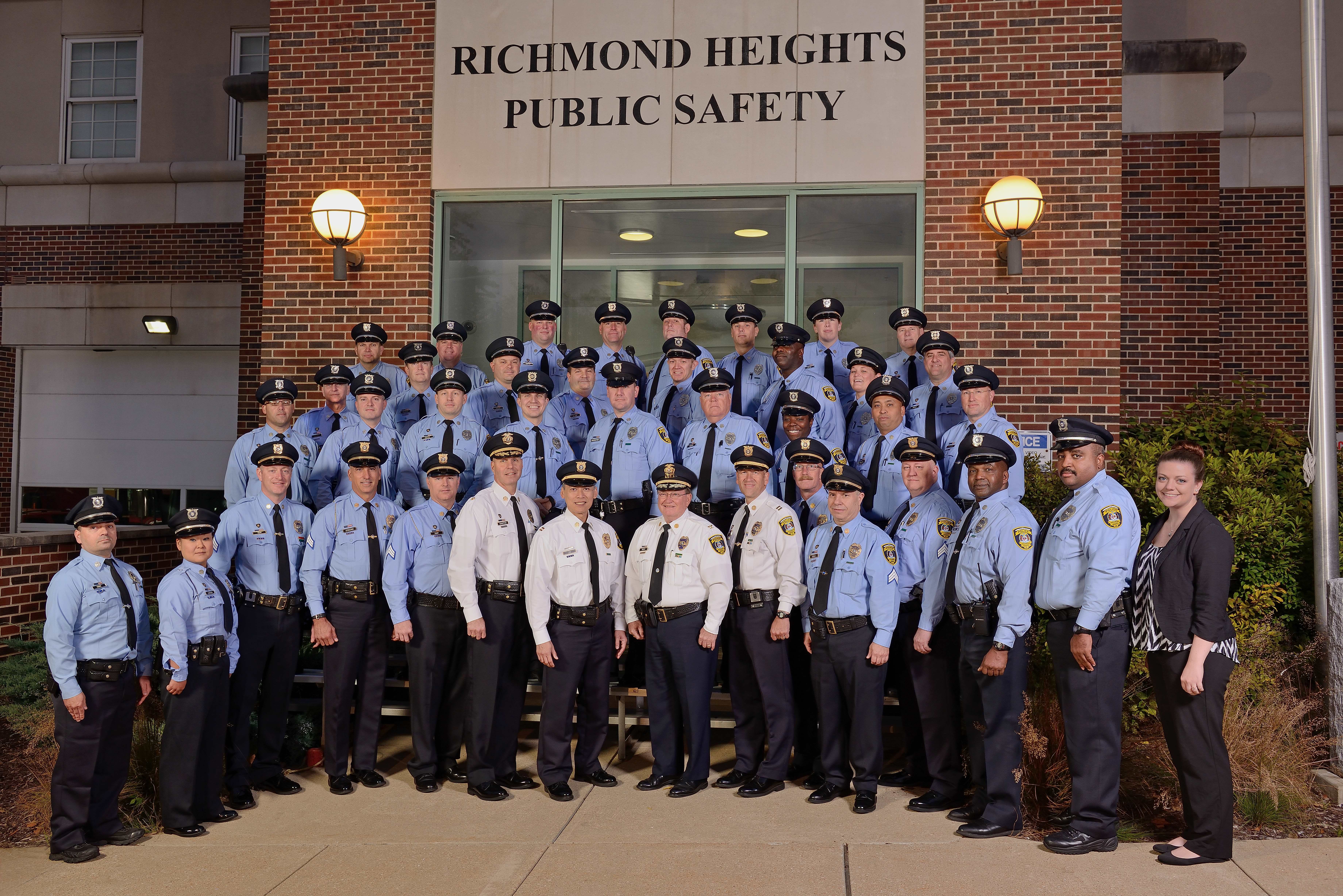
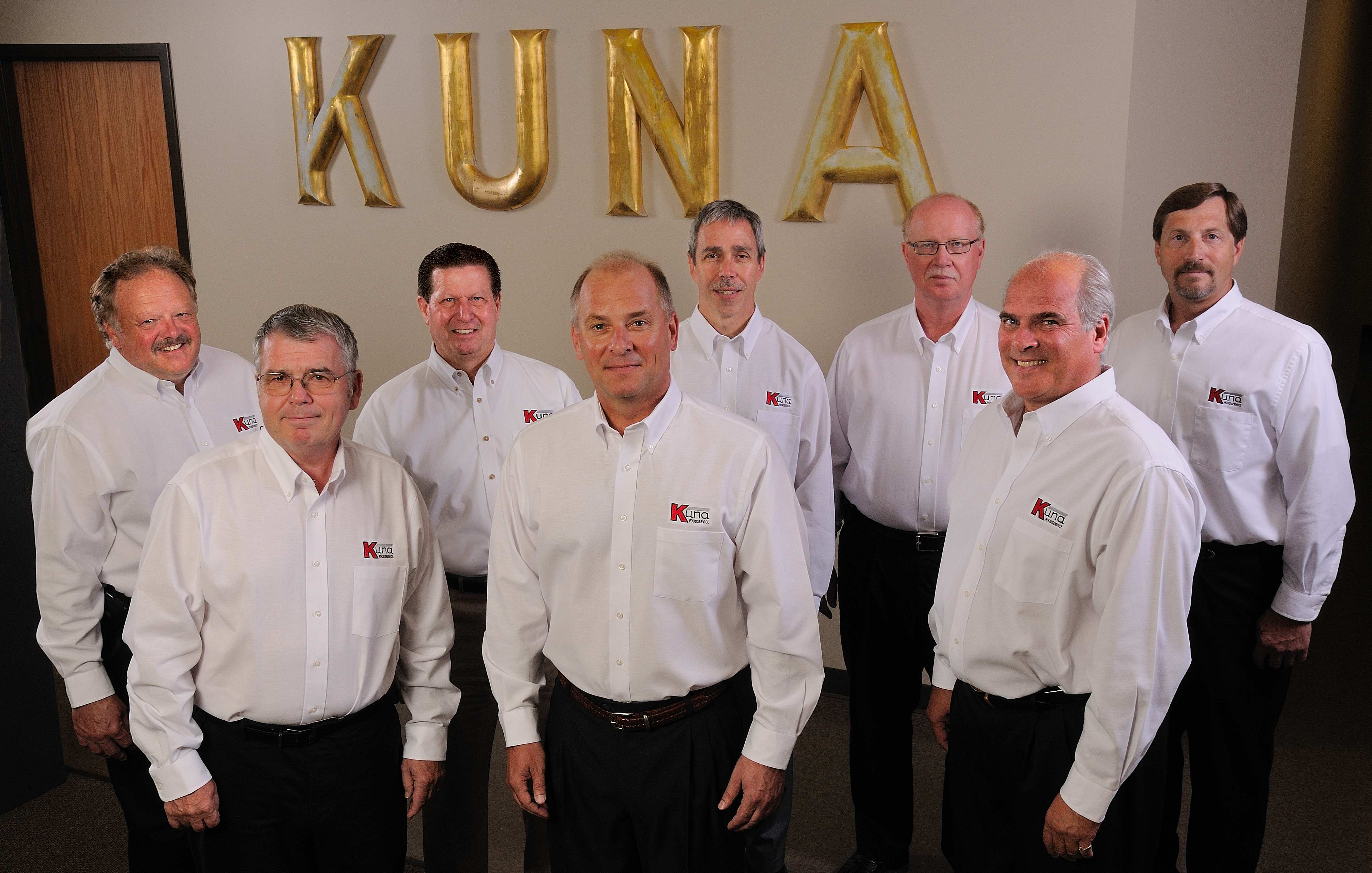
Photographing a team is not just a larger version of photographing one person. It is a workflow challenge, a branding exercise, and a production task that requires coordination. The success of a multi-person headshot project depends on consistency in lighting, framing, posing guidance, background, color, file handling, and delivery.
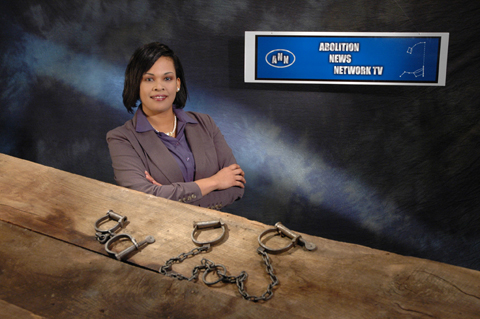



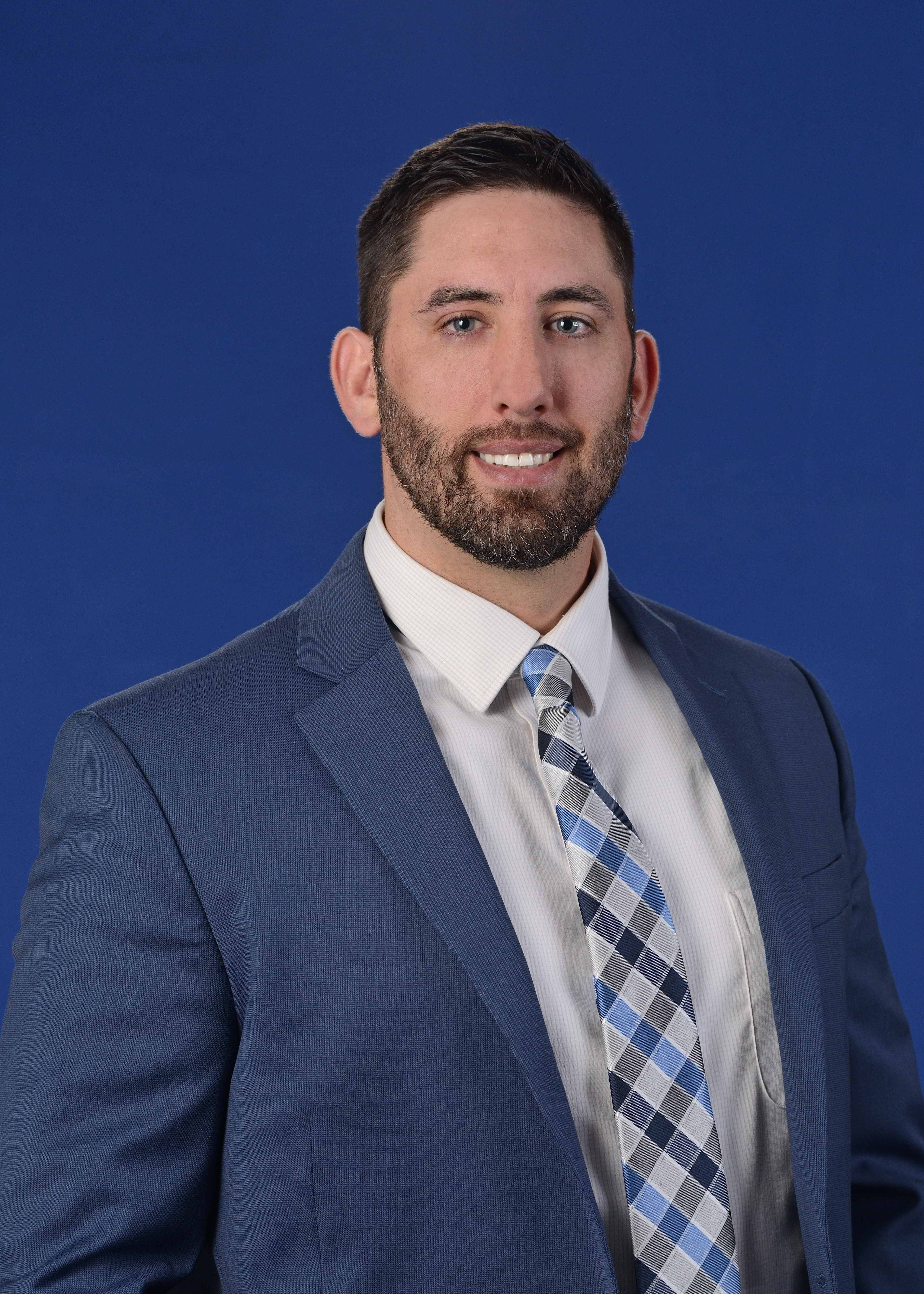
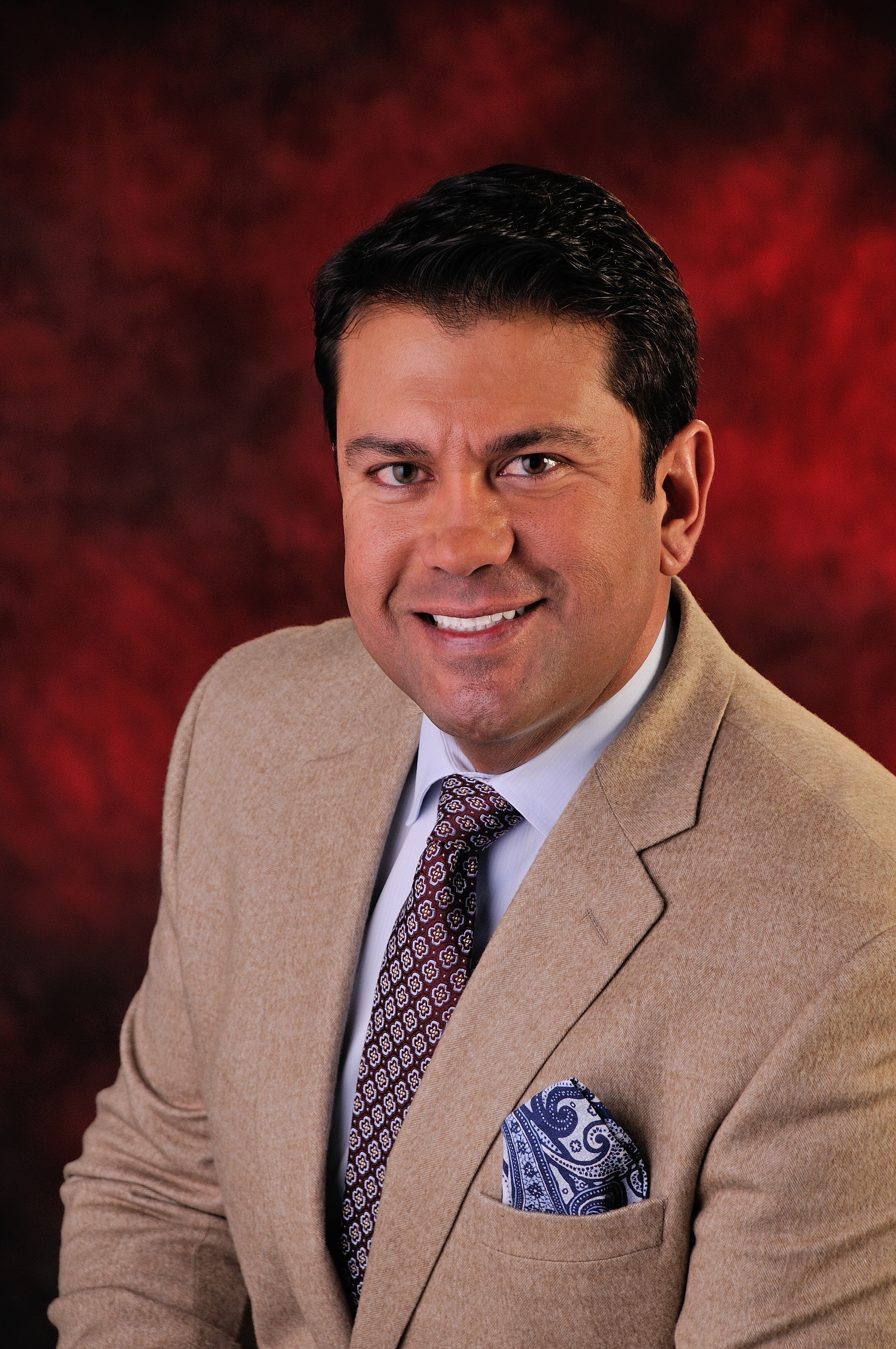
Decision makers often underestimate how important that consistency becomes once the images are placed together on a website or in company materials. If one person is photographed too tightly, another too loosely, one image is warmer, another cooler, one background darker, another brighter, the team page starts to feel disjointed. Even if each individual image is acceptable on its own, the collection may not support the brand well.
That is why professional team headshot production should be approached as a system. The session design should account for scheduling, setup, subject flow, image review, naming conventions, and final delivery specifications. The process should feel organized to the client and efficient to the people being photographed.
For large organizations, it is also smart to think beyond the single session. A headshot style should be established in a way that can be replicated for future hires, leadership changes, and updated branding needs.
The Importance of Making People Comfortable
One overlooked part of headshot photography is the human side of the session. Many executives and employees do not look forward to being photographed. Some are rushed. Some are self-conscious. Some simply want to get through the session as fast as possible.
An experienced photographer understands that great headshots are not created only through technical ability. They are also created by building comfort quickly. The subject needs clear direction, efficient pacing, and a sense that they are in capable hands.
This becomes even more important during team sessions. If the process feels chaotic or awkward, it affects expressions and body language. If the process feels easy and professional, people tend to relax and photograph better. That is one reason experienced production matters so much. The technical setup is only part of the job. Managing people well is equally important.

Planning for Better Results
The best headshot projects begin before the camera comes out. Clear planning improves both the experience and the outcome.
That planning typically includes deciding on wardrobe direction, background style, image usage, preferred cropping, retouching approach, and the schedule for each person or department. For team sessions, it also helps to decide how many final images each person needs and whether multiple looks or expressions are required.
Organizations should also think about file delivery early. Will images be needed in both high resolution and web resolution? Should the final files be named by employee name and department? Will the images need to be formatted for LinkedIn, website profiles, media releases, or internal systems? These details matter because they affect how usable the assets are after the shoot.
A headshot session should not end with a folder of unlabeled files and unanswered questions. It should result in organized, usable assets that support marketing, communications, and brand management.
Beyond the Headshot: Building a Stronger Visual Brand
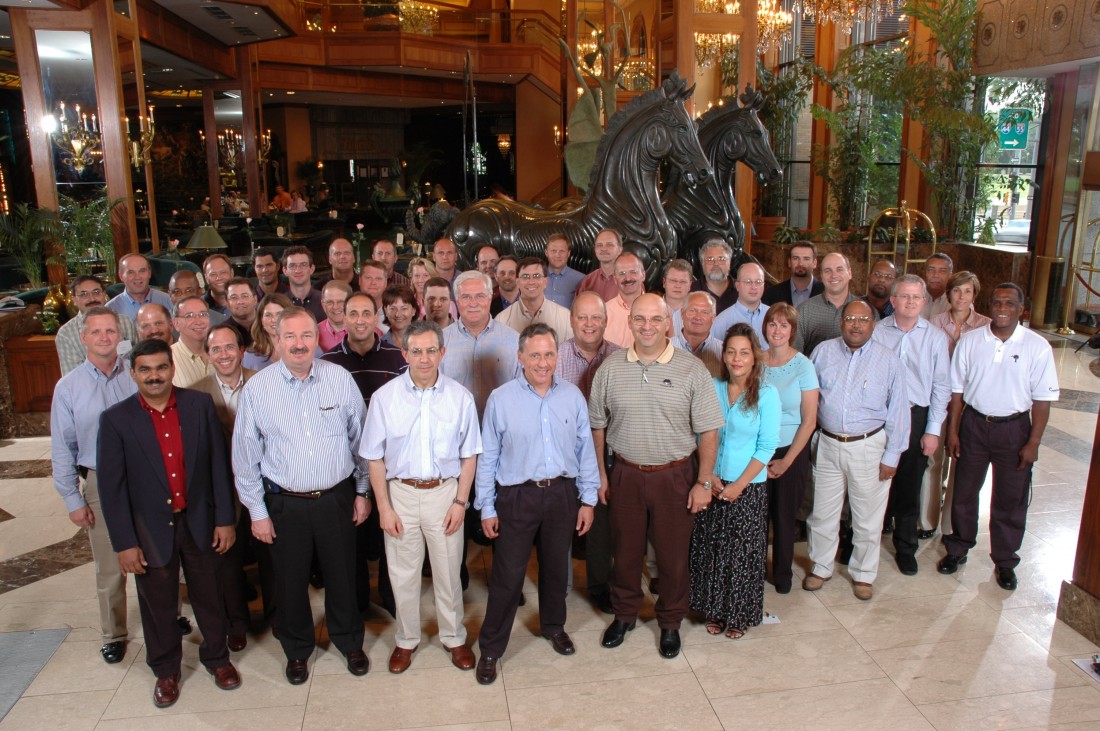
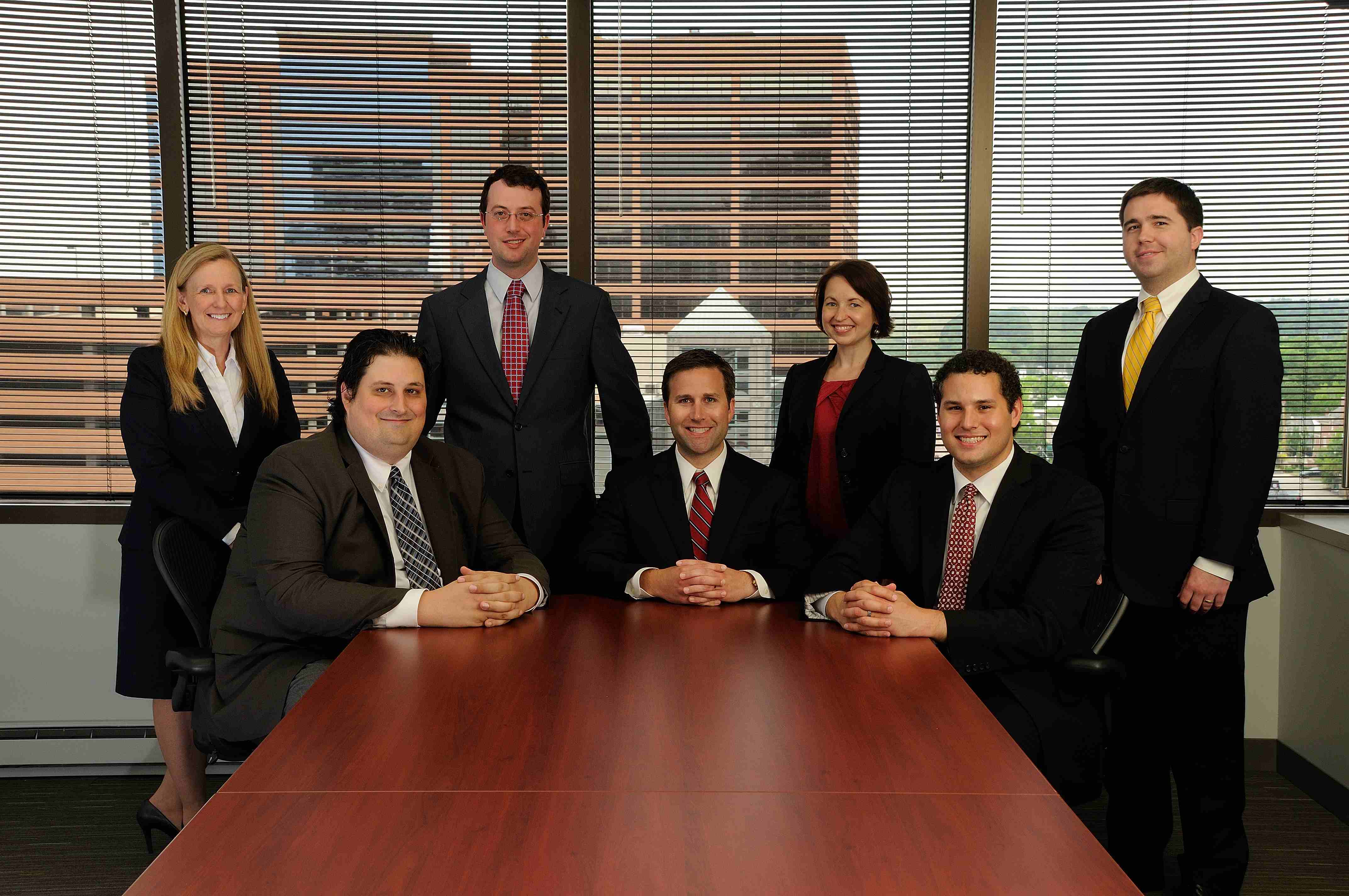
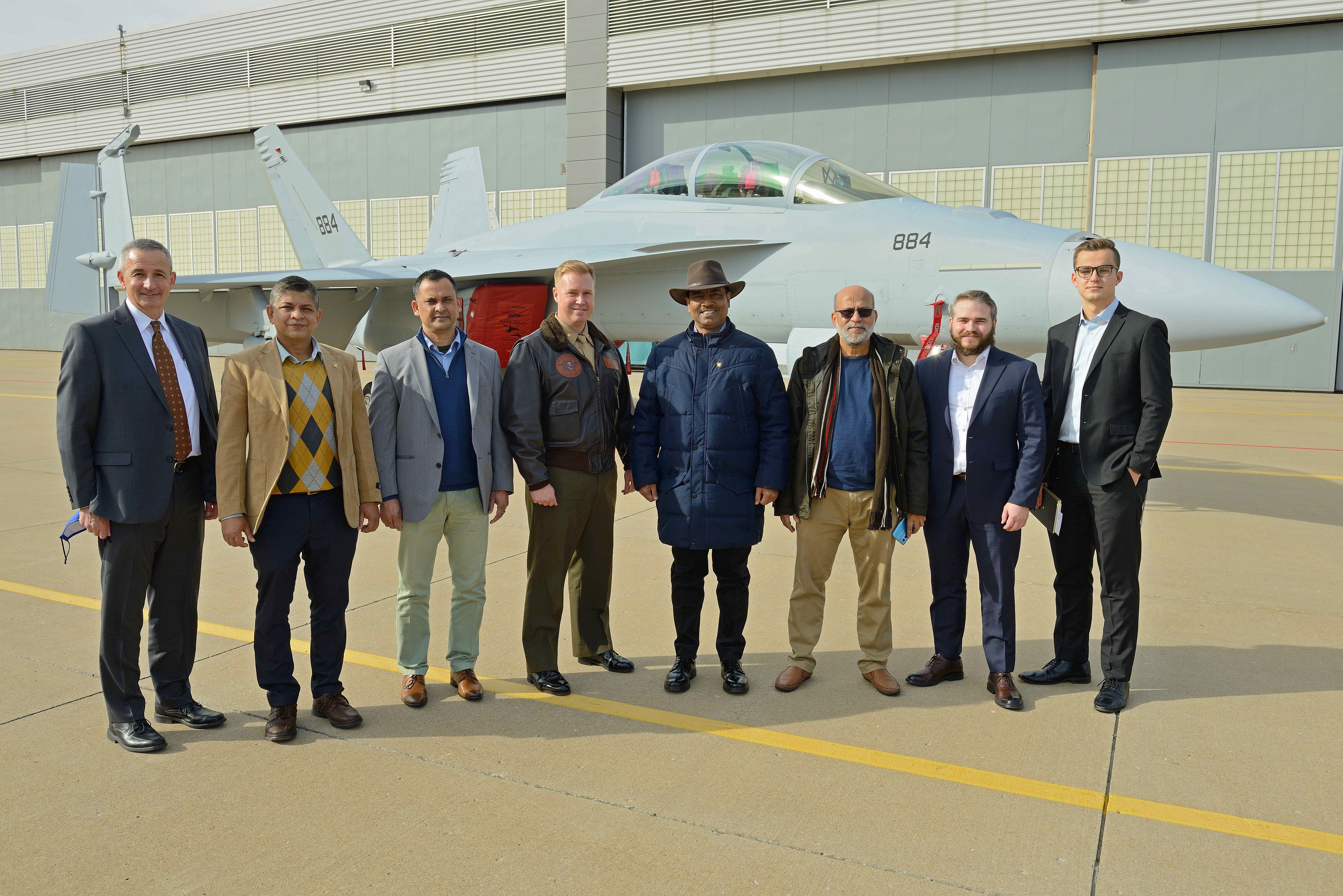
For many businesses, a headshot session is also an opportunity to strengthen the broader visual library. While photographing individual team members, it may make sense to capture group shots, environmental portraits, office culture photography, interview video, or supporting brand visuals. This is especially valuable for companies refreshing a website, updating recruitment materials, launching a rebrand, or building a stronger content library for ongoing marketing.
That is where a full-service production approach adds real value. A headshot project does not have to be isolated from the rest of your marketing efforts. It can be integrated into a broader content strategy that makes your people, workplace, and brand more visible across multiple platforms.



Choosing the Right Partner
A headshot photographer should do more than show up with a camera. The right production partner helps you define the look, manage the logistics, direct the subjects, maintain consistency, and deliver assets that are immediately useful to your team.
That matters whether you are scheduling one executive portrait or coordinating dozens of team members at your location. The right partner understands the demands of branding, workflow, scheduling, and professional image standards. They know how to balance visual quality with operational efficiency.
For organizations, this is not just a photography decision. It is a communications and branding decision.
Professional Headshots That Fit Your Organization
Whether you need a polished studio headshot for yourself, a streamlined on-location session for your team, or a complete company-wide update of employee portraits, the most effective approach is the one that aligns with your brand, your people, and your workflow.
A studio session offers control, polish, and timeless consistency. An on-location session offers efficiency, convenience, and the opportunity to bring the production directly to your workplace. Both can deliver excellent results when handled by an experienced team that understands not only lighting and composition, but also branding, logistics, and the needs of modern organizations.
At St Louis Headshots, we know that successful headshots are not accidental. They are planned, directed, and produced with purpose.


Why Businesses Trust St Louis Headshots
St Louis Headshots is an experienced full-service professional commercial photography and video production company with the right equipment and creative crew service experience for successful image acquisition. We offer full-service studio and location video and photography, as well as editing, post-production, and licensed drone services. St Louis Headshots can customize your productions for diverse types of media requirements, whether you need executive headshots, team portraits, marketing imagery, branded video, or broader visual content for campaigns and communications.
Repurposing your photography and video branding to gain more traction is another specialty. We are well-versed in all file types and styles of media and accompanying software, helping clients create assets that are practical, flexible, and ready for real-world marketing use. We also use the latest in Artificial Intelligence for all our media services, supporting efficient workflows and expanded creative possibilities.
Our private studio lighting and visual setup is perfect for small productions and interview scenes, while our studio is large enough to incorporate props to round out your set. We support every aspect of your production, from setting up a private, custom interview studio to supplying professional sound and camera operators, as well as providing the right equipment, ensuring your next video production is seamless and successful. We can fly our specialized drones indoors.
Since 1982, St Louis Headshots has worked with many businesses, marketing firms, and creative agencies in the St. Louis area for their marketing photography and video. That experience gives our clients confidence that whether the assignment takes place in our studio or at your location, for one person or an entire team, the final result will be professional, consistent, and aligned with your brand.
314-913-5626
Mike Haller
Studio by appointment: 4501 Mattis Road St. Louis, MO 63128






















































 St Louis Headshots