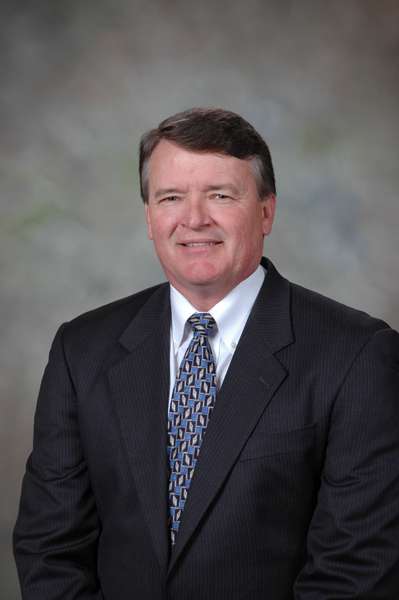
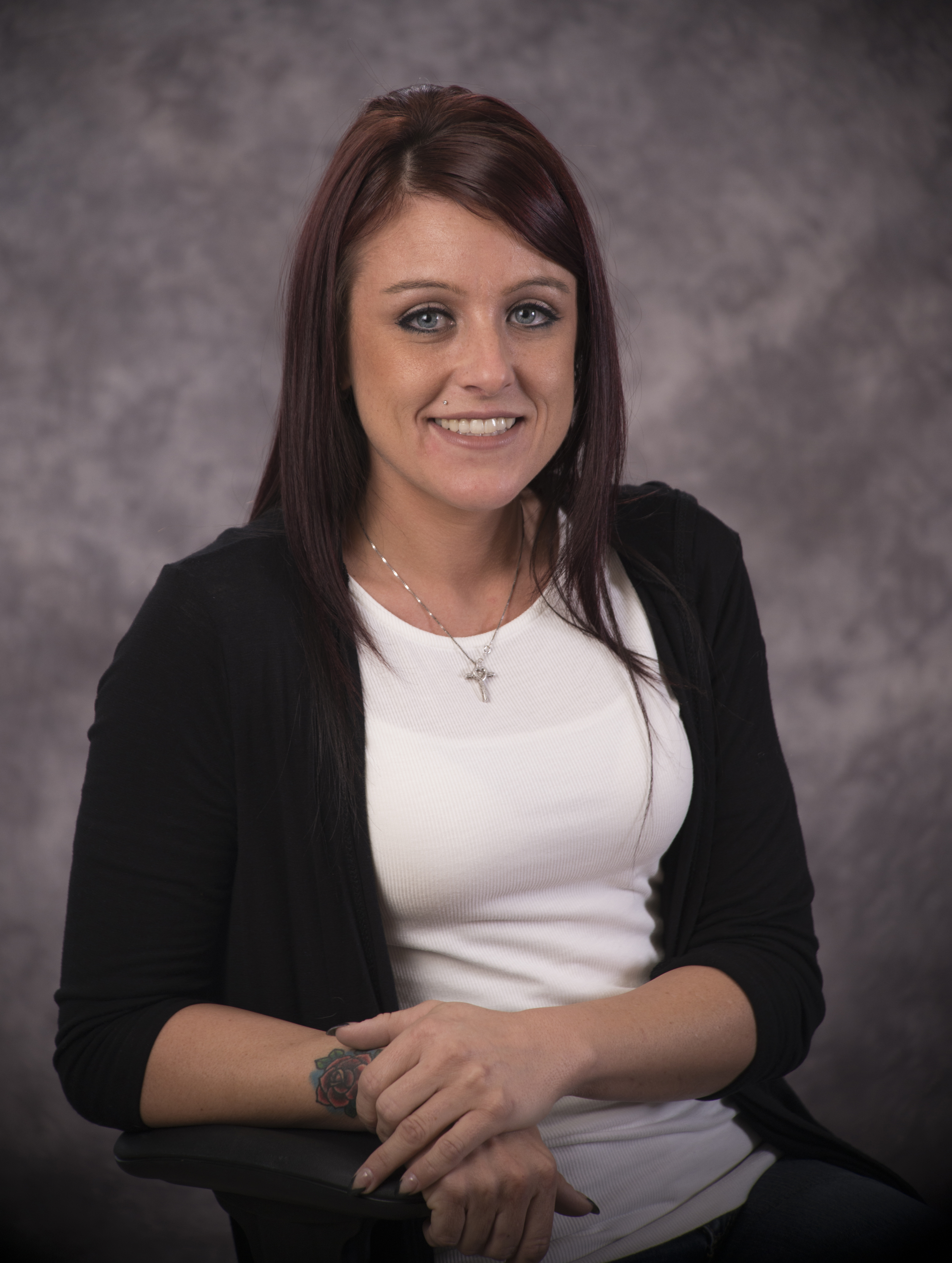
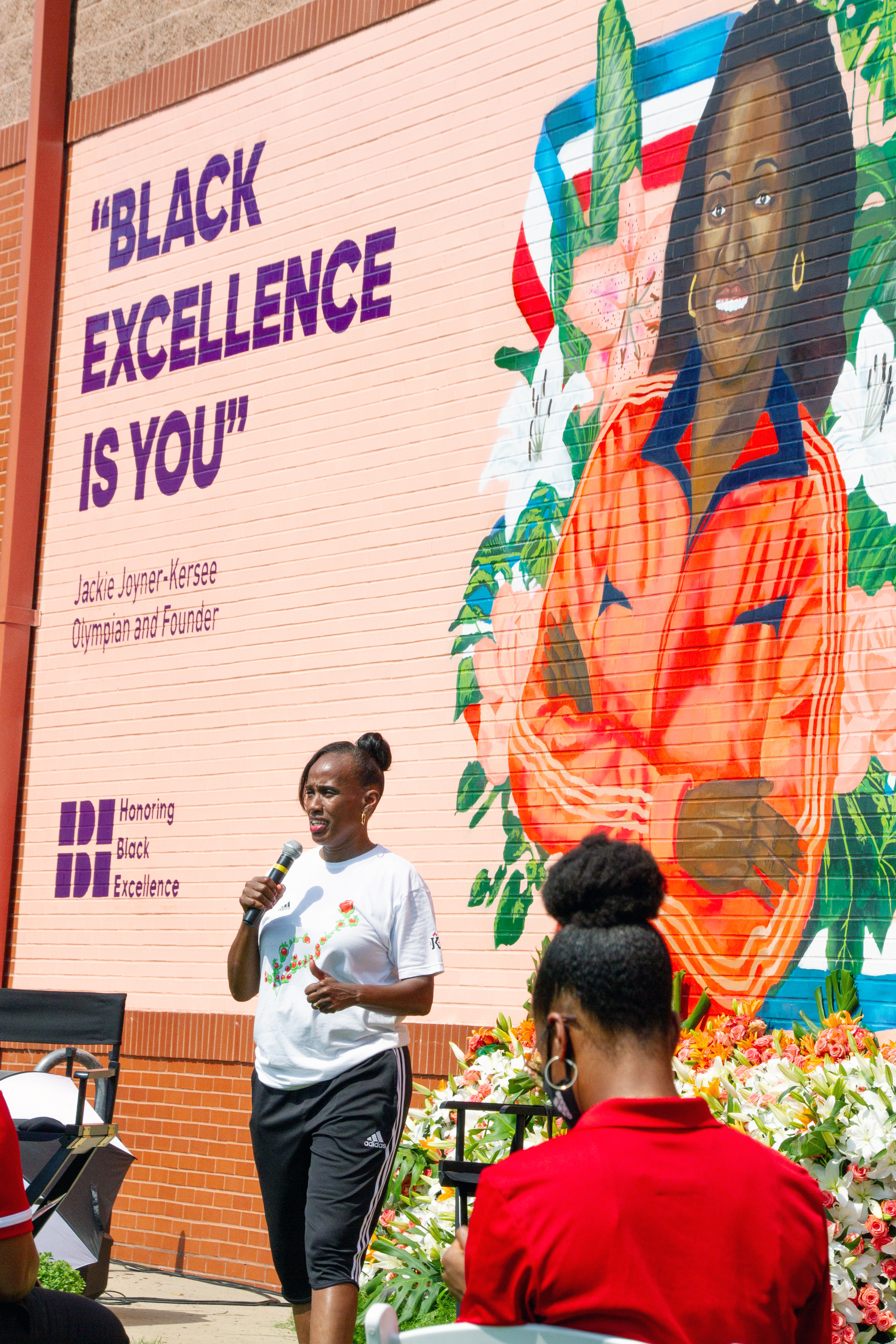
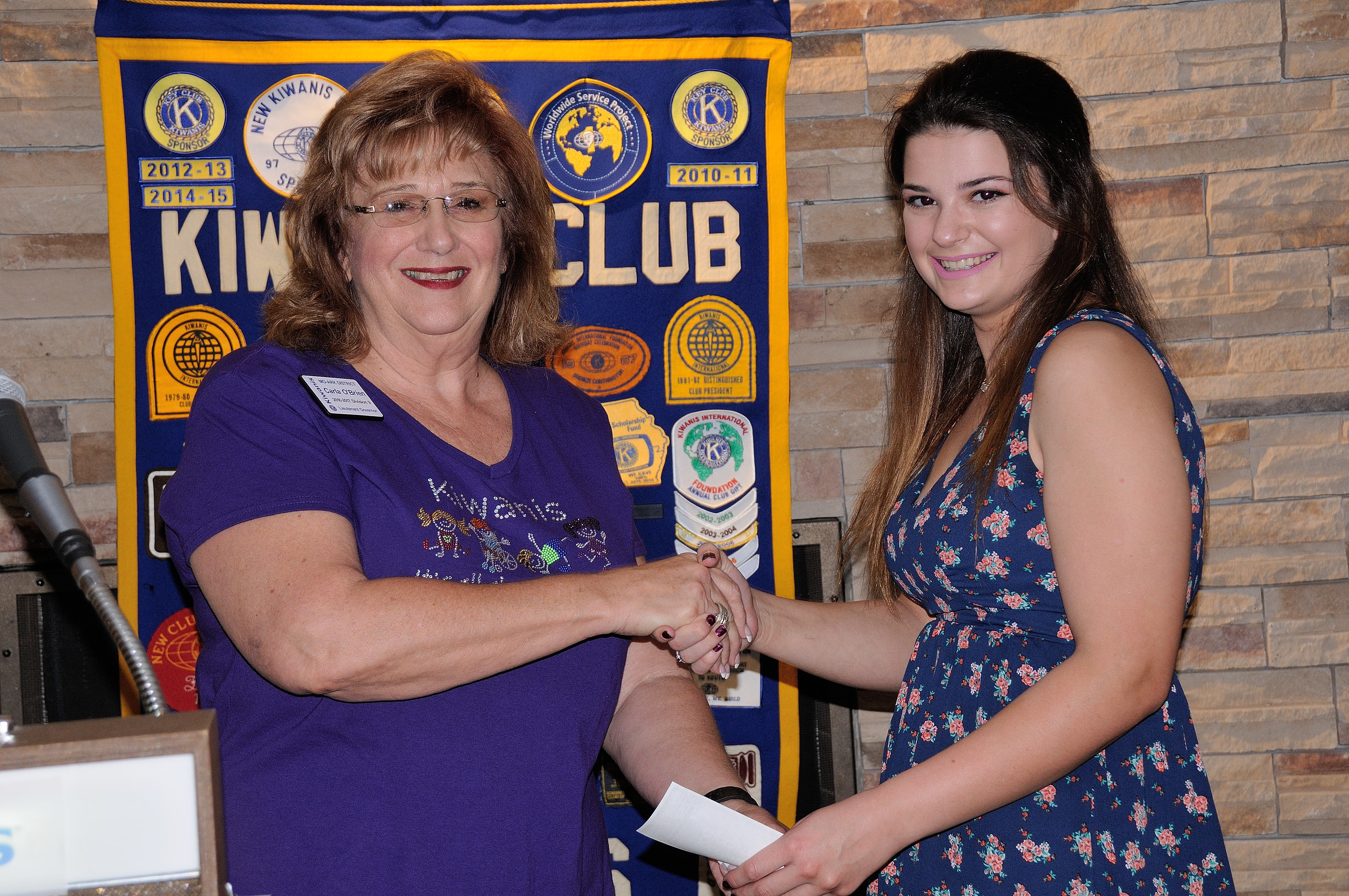
A live event gives you a few hours to make an impression on a room full of customers, partners, employees, or donors. Professional photography and video decide whether that impression reaches anyone beyond the room.
If you oversee marketing, communications, or business development, event coverage is more than a line item for “someone with a camera.” It is how you extend the reach of an event you’ve already paid for. This guide covers what to consider so your coverage supports your goals.
Start With the Question: What Will This Content Do?
Before you request quotes, decide what the finished content needs to accomplish. Event coverage tends to serve one or more of these goals:
- Promotion: Content that builds anticipation for next year’s event or drives registrations
- Proof of value: Imagery and testimonials that show sponsors, members, or leadership what the event delivered
- Ongoing marketing: Material for your website, social channels, email campaigns, and sales decks
- Internal communication: Recaps and recorded sessions for employees who couldn’t attend
- Archive and reporting: A visual record for annual reports, grant applications, and press kits
Naming your priorities early tells your production partner how to allocate cameras, crew, and editing time.
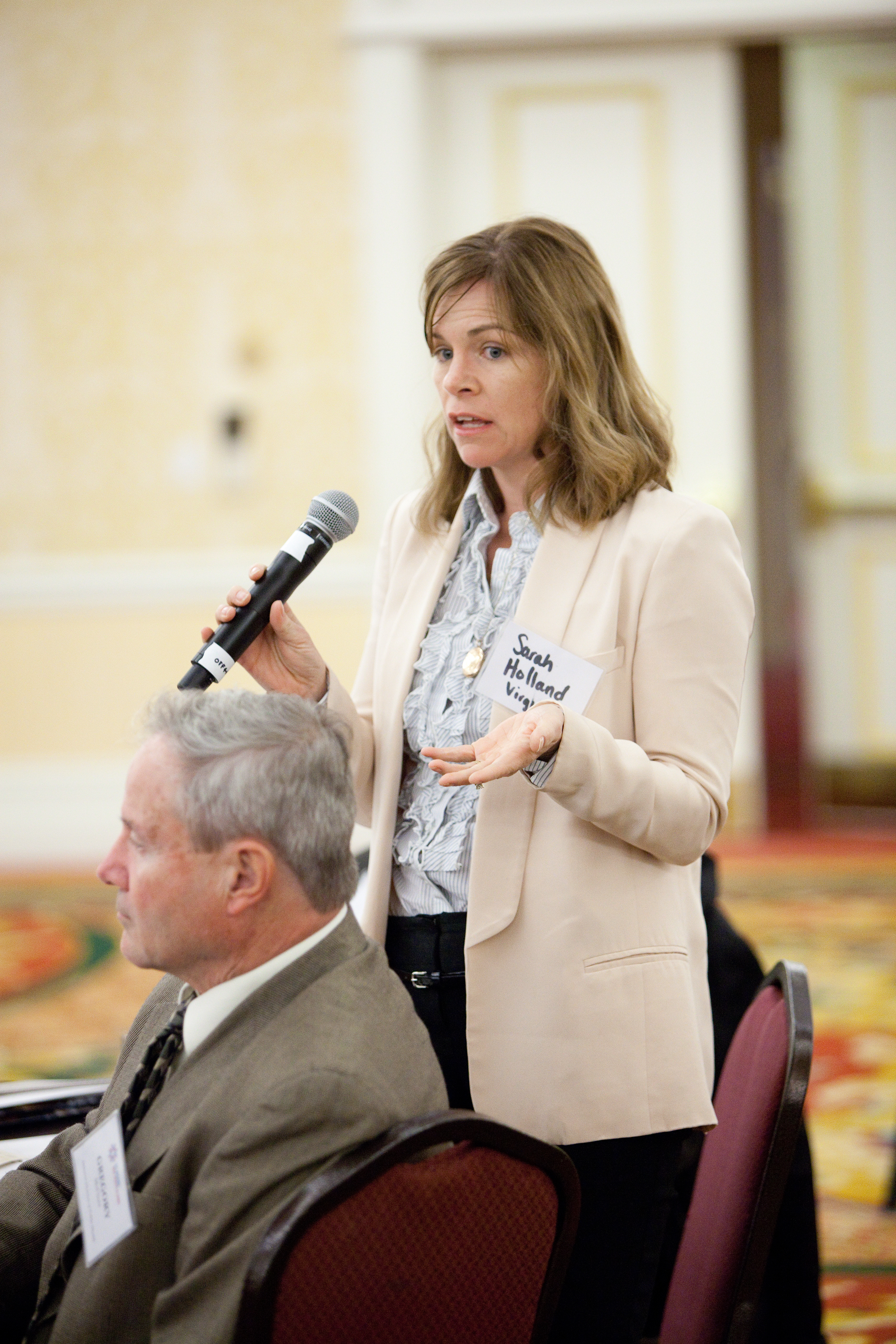
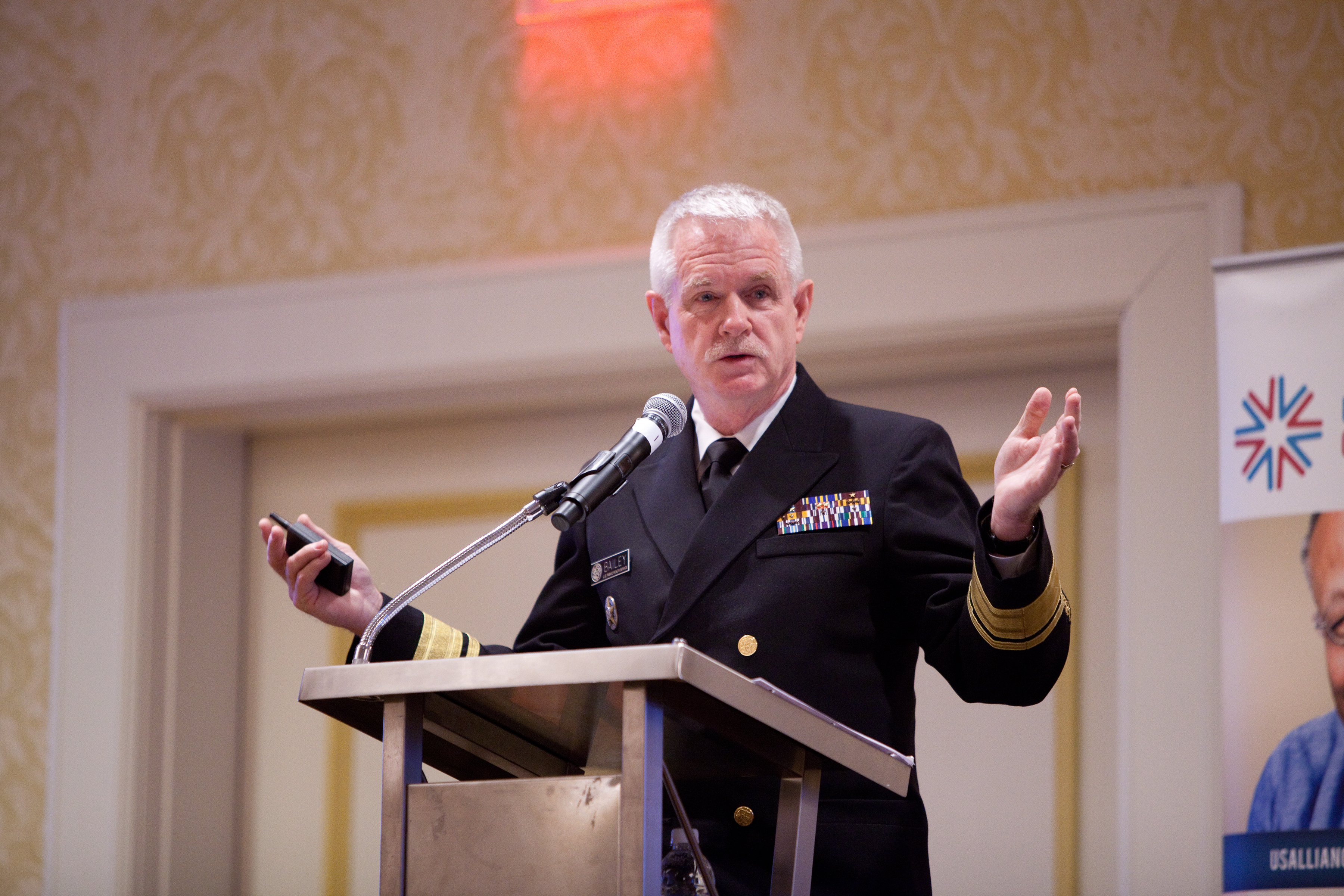
Build a Shot List and Run-of-Show Together
The best event coverage is planned in advance. Share your agenda, speaker lineup, VIP list, and key moments with your production team. A good producer will turn those into a shot list and a coverage plan that answers questions like these:
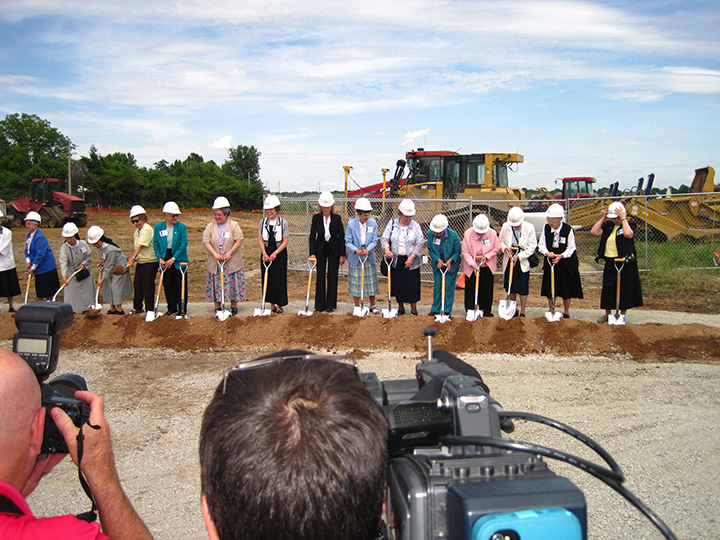
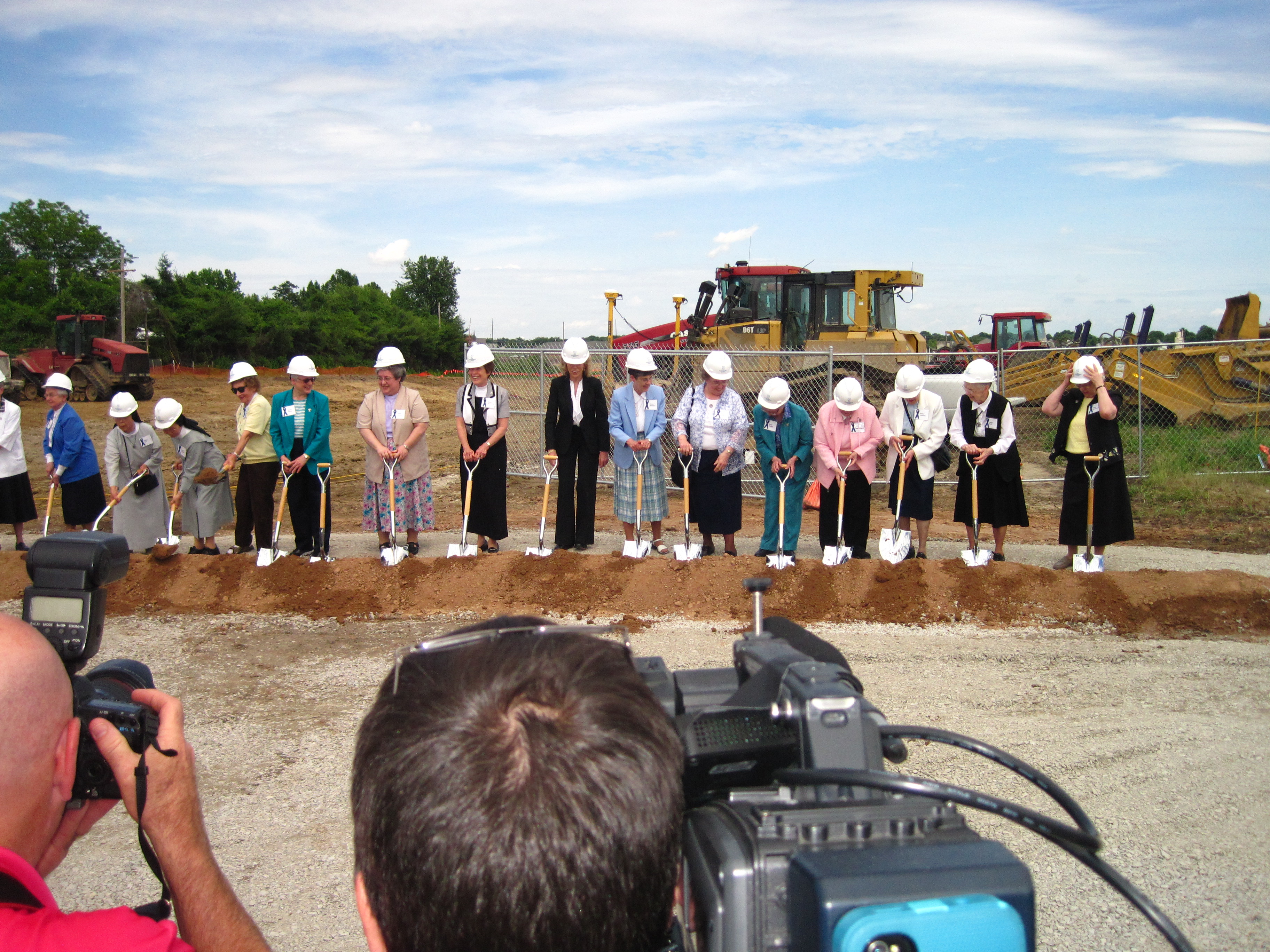
- Which moments are non-negotiable, such as the keynote, the ribbon cutting, or the award presentation?
- Who are the people leadership wants photographed or interviewed?
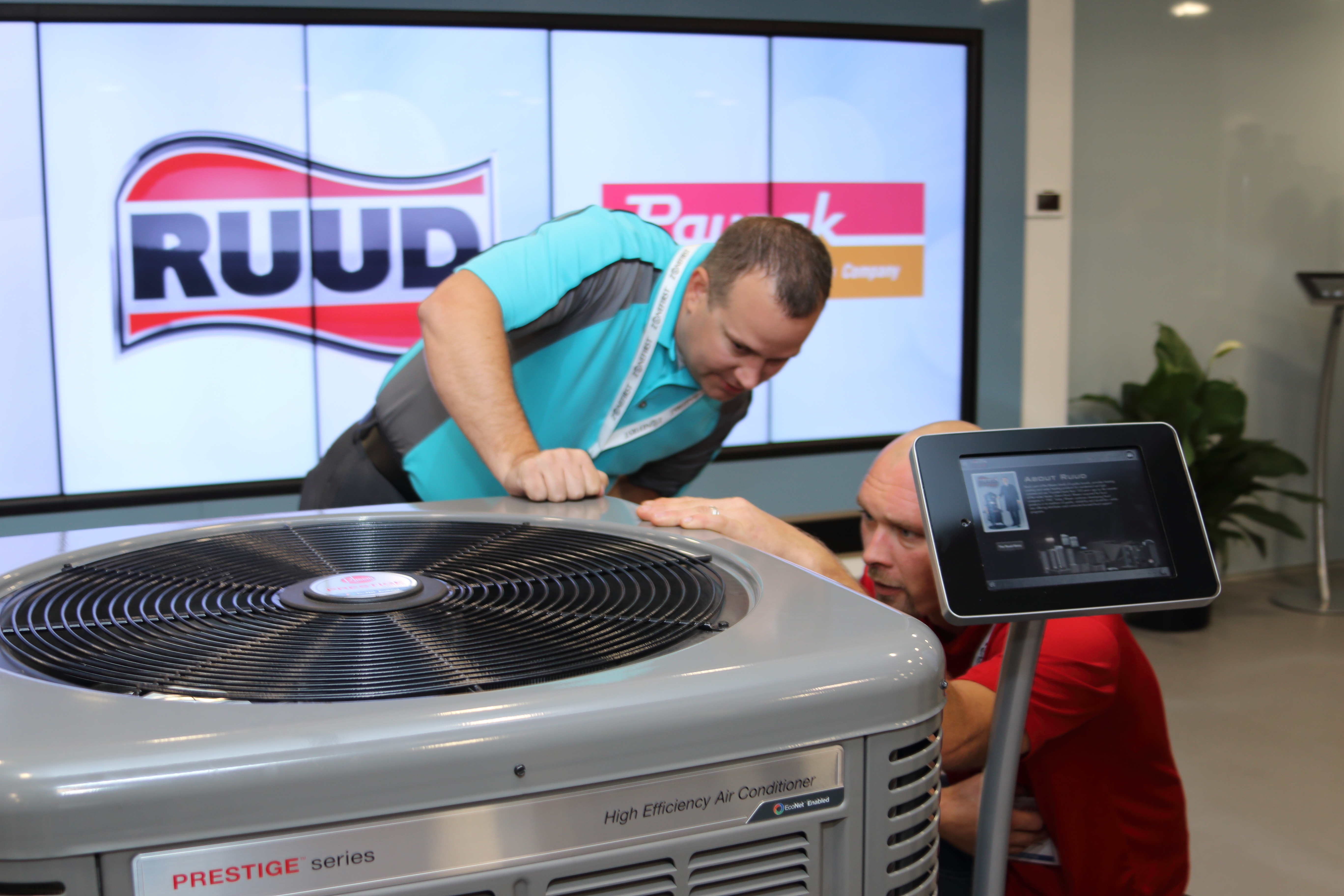
- Which sponsor signage, branded areas, and product displays need documentation?
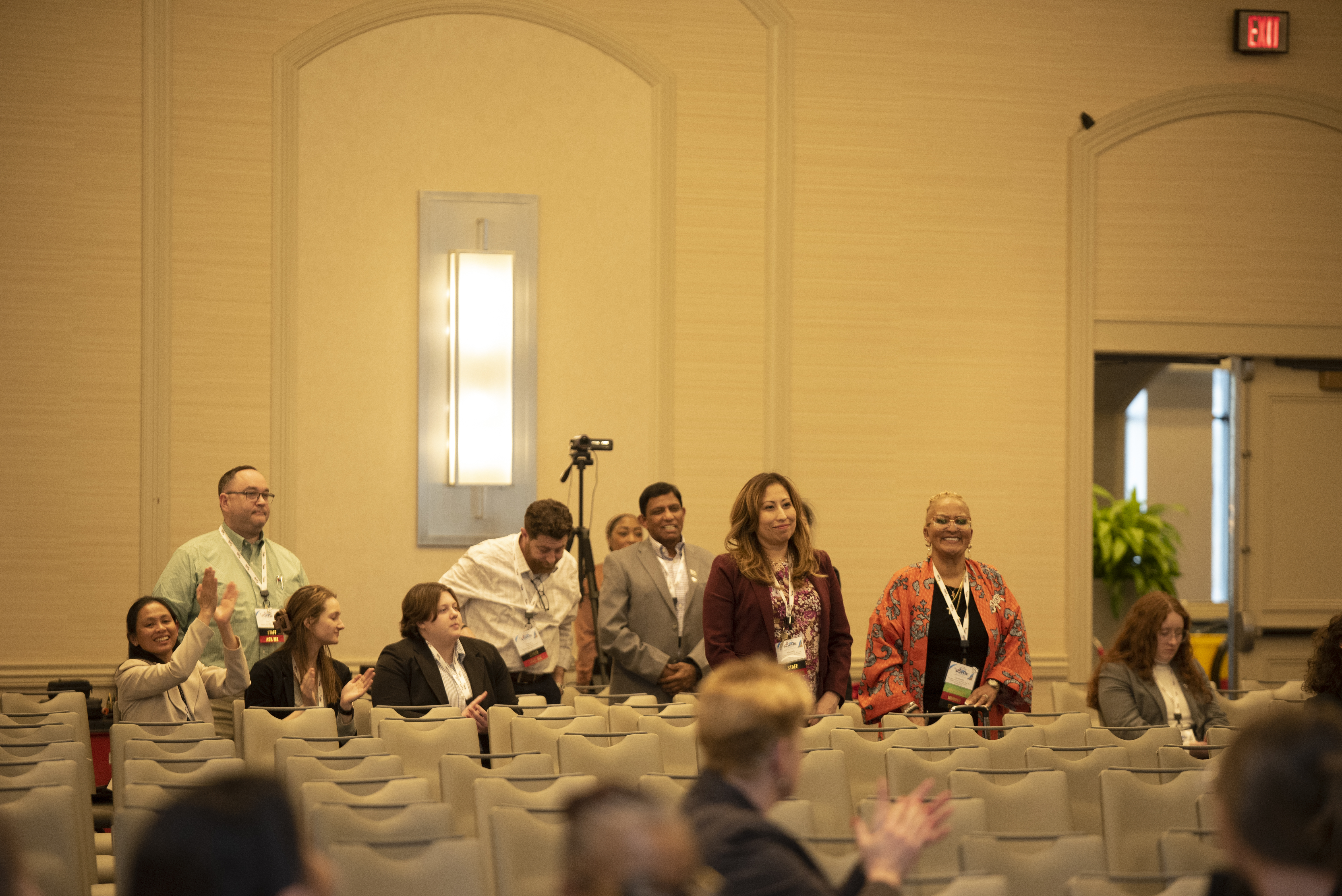
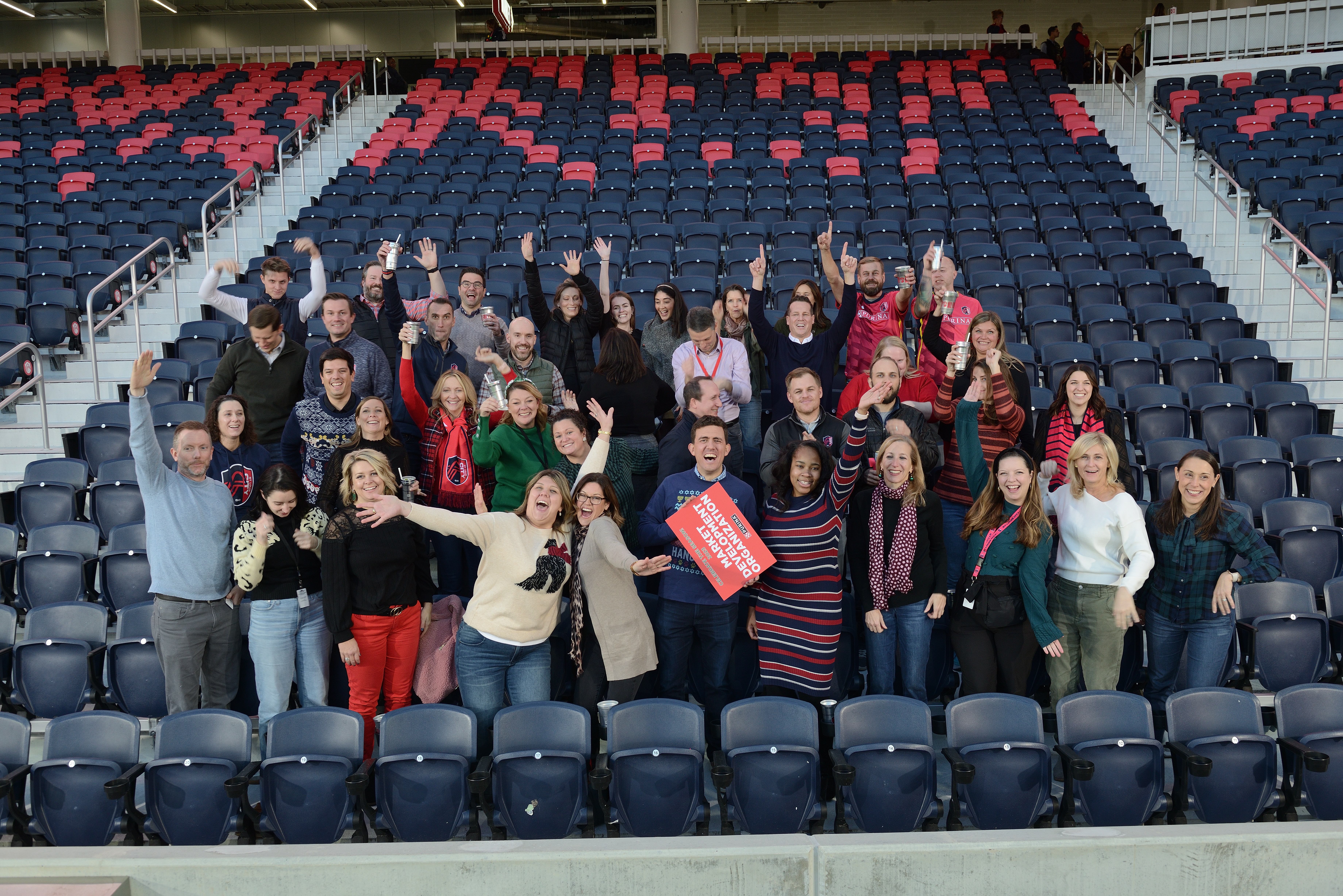
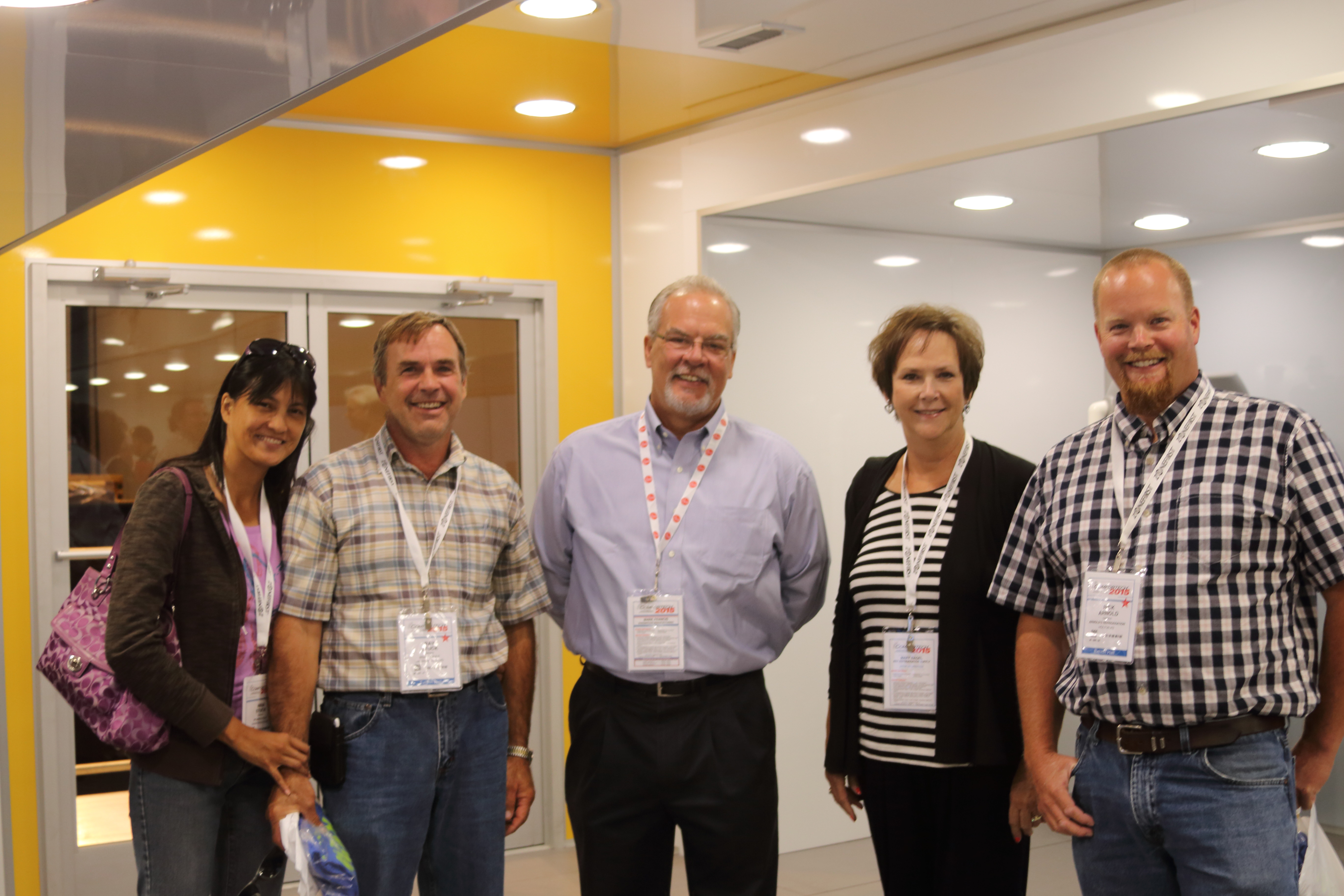
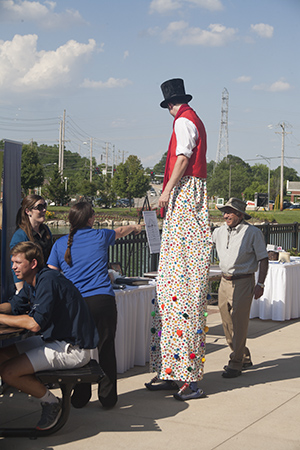
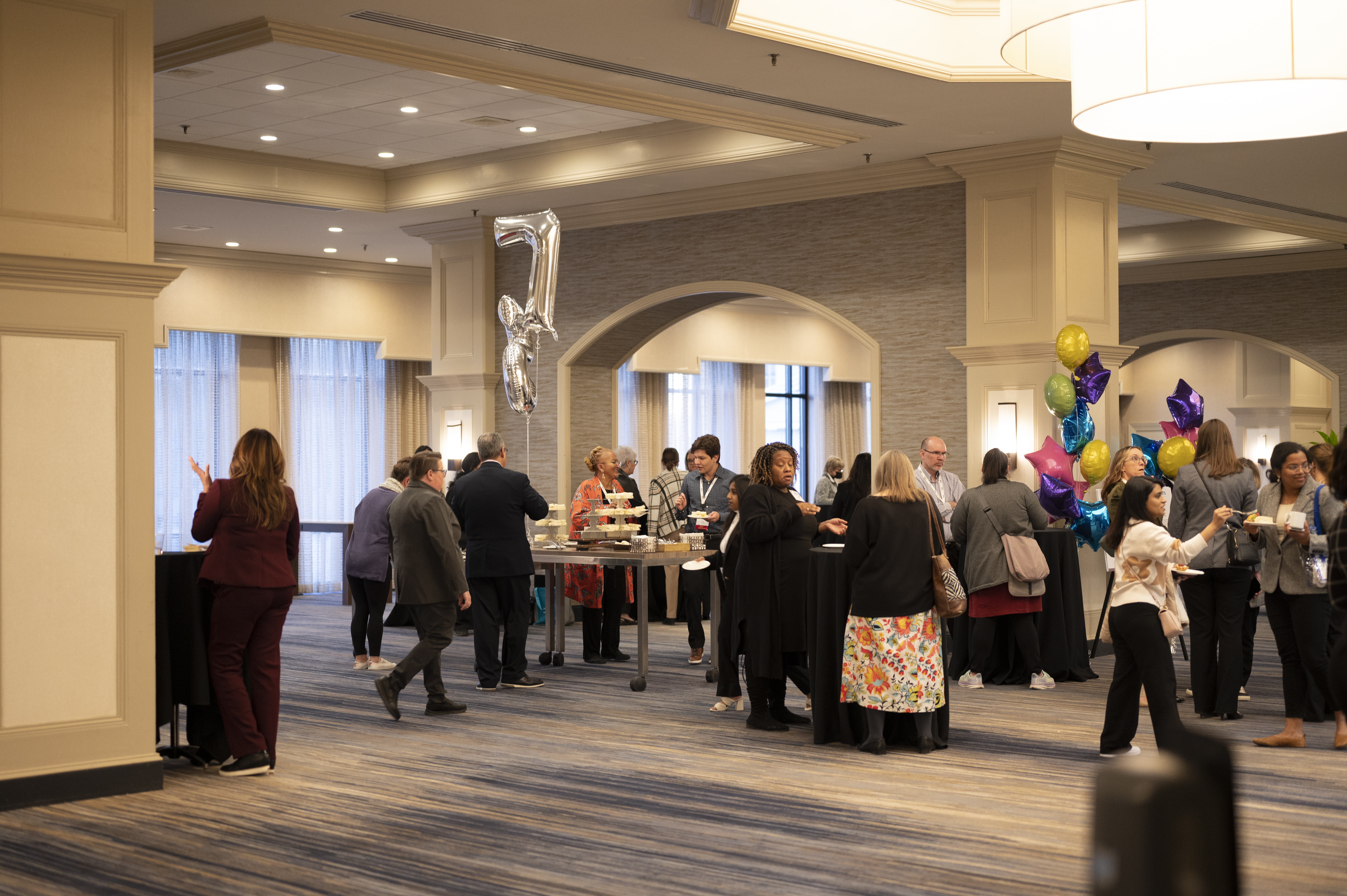
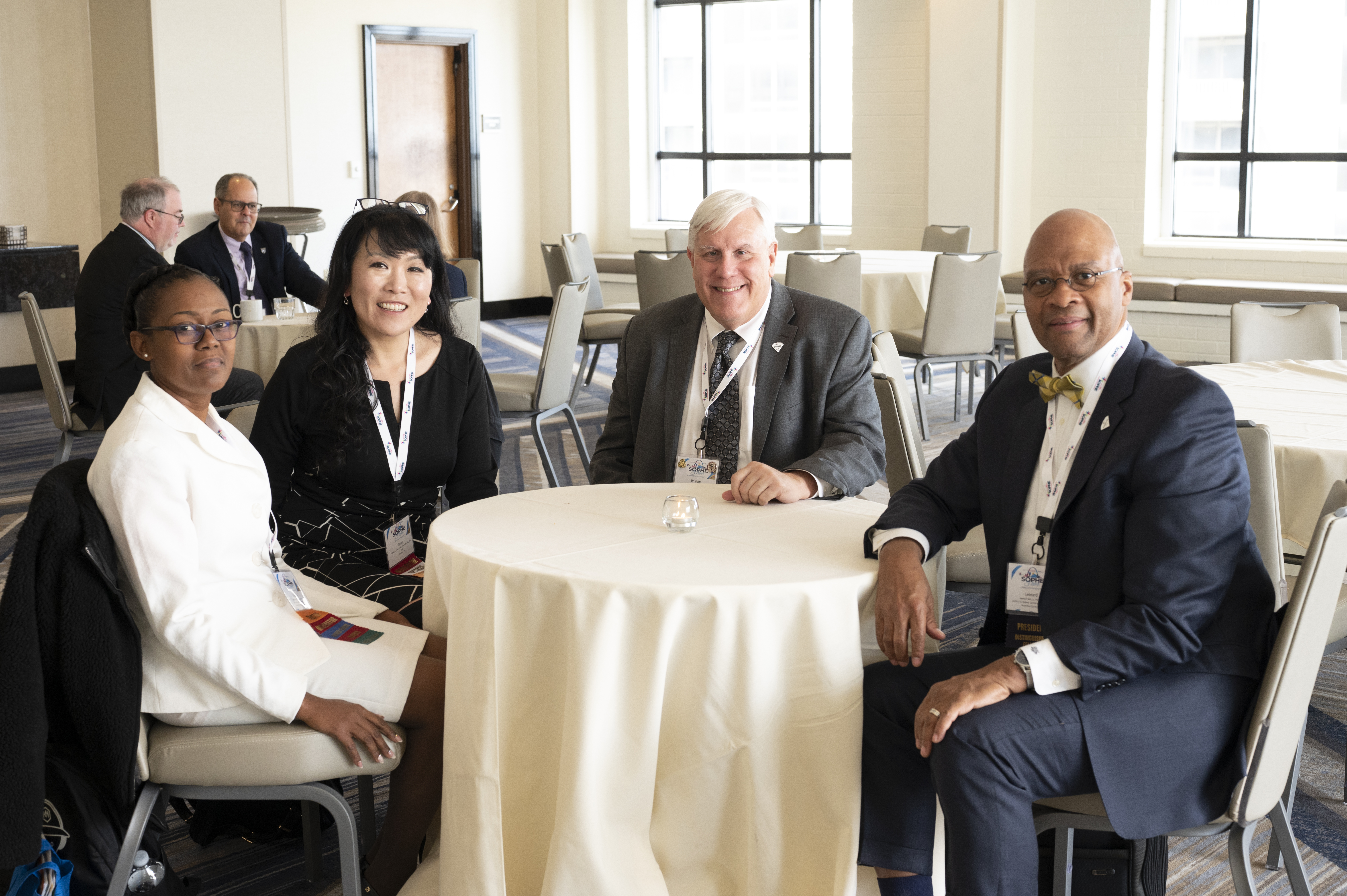
- Where do you want candid, human moments, such as networking, conversations, and reactions?
- What happens when the schedule slips? (It usually does.)
That last question matters. Events run late, speakers rearrange, and rooms change. Crews with real event experience adapt without disrupting the program or missing the moment.
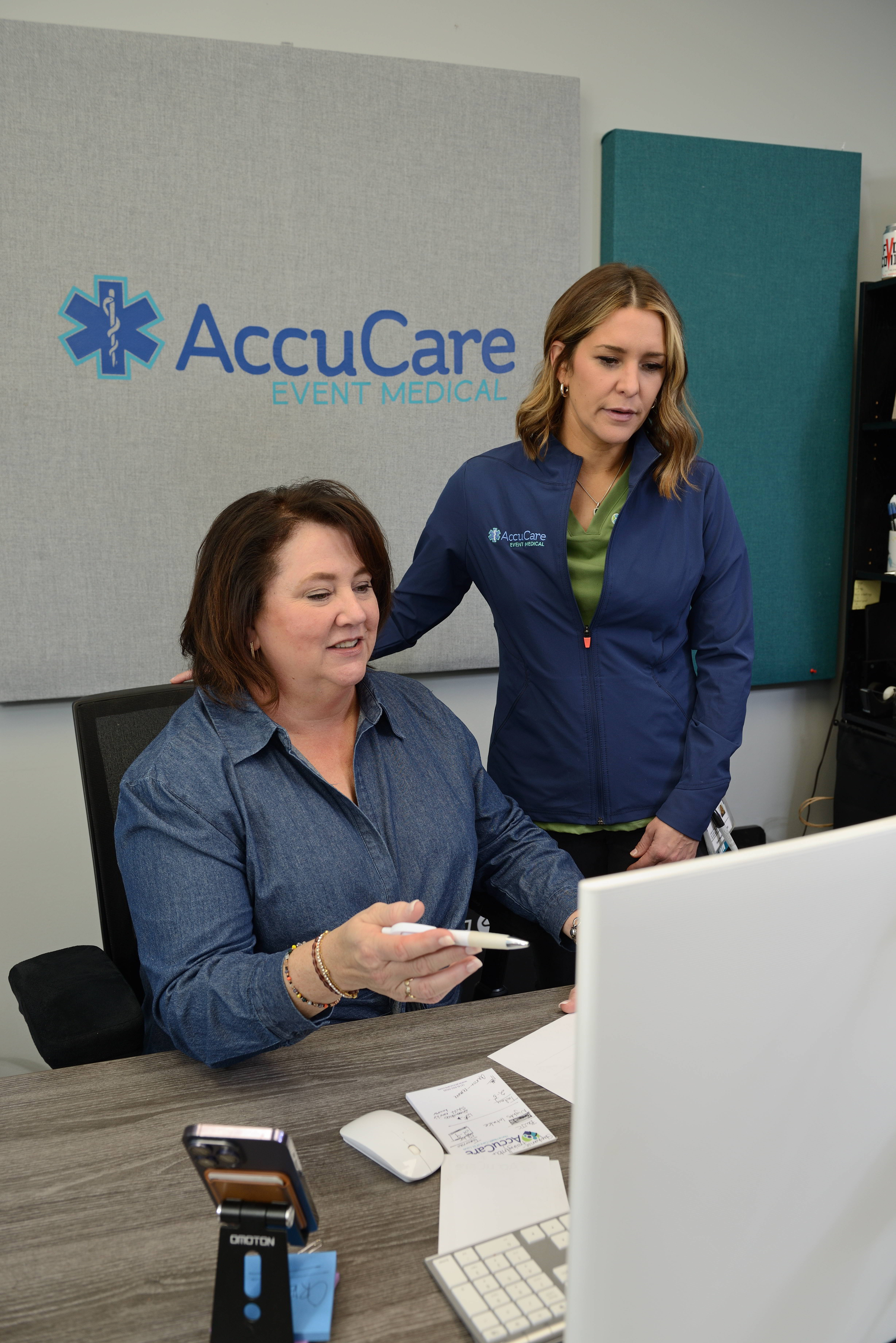
Match the Crew and Gear to the Event
Crew size and equipment should scale with your event, not with a generic package.
A single photographer may be enough for a small reception or team gathering.
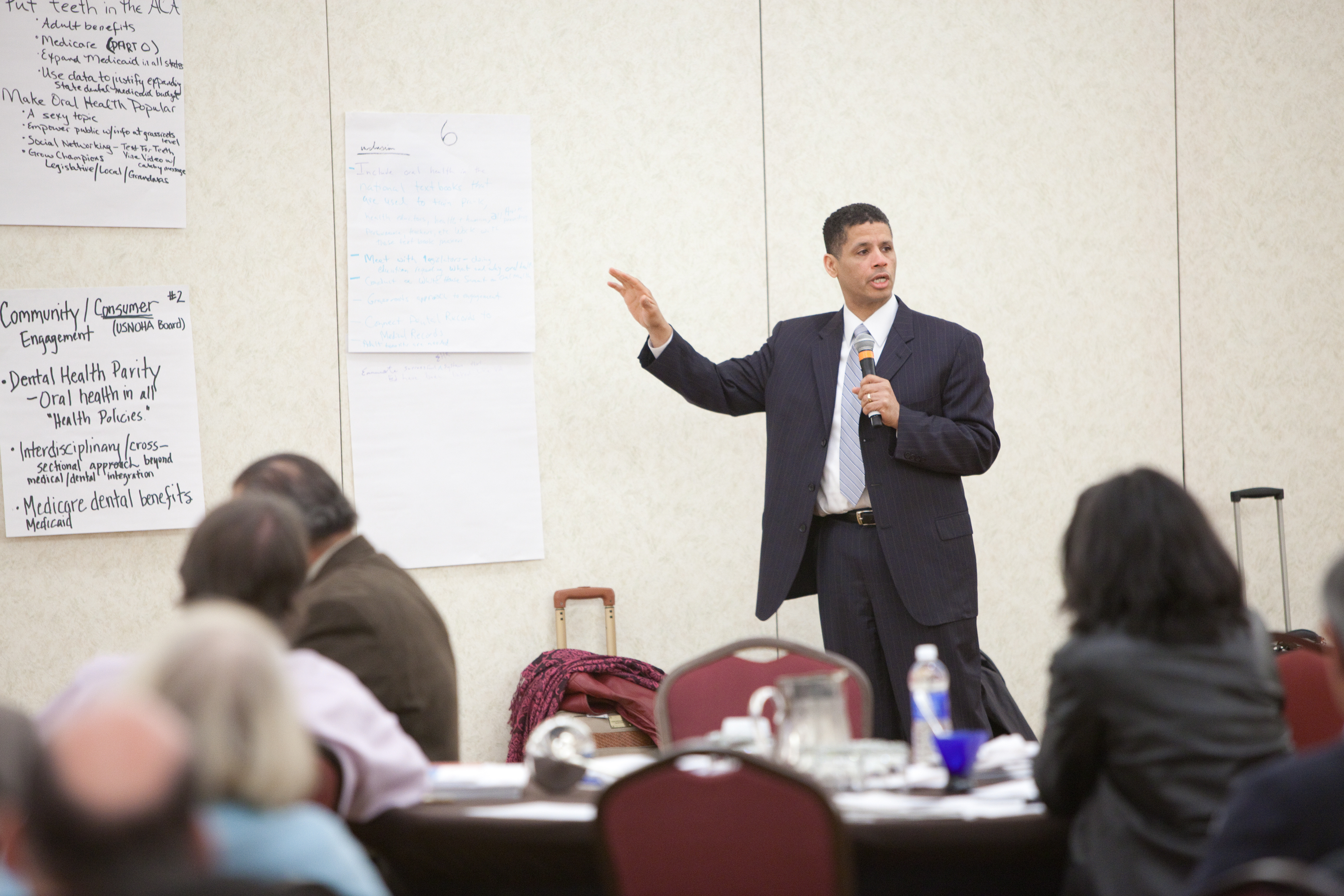
A photographer plus a videographer suits most mid-size corporate events, such as breakfasts, panels, and open houses.
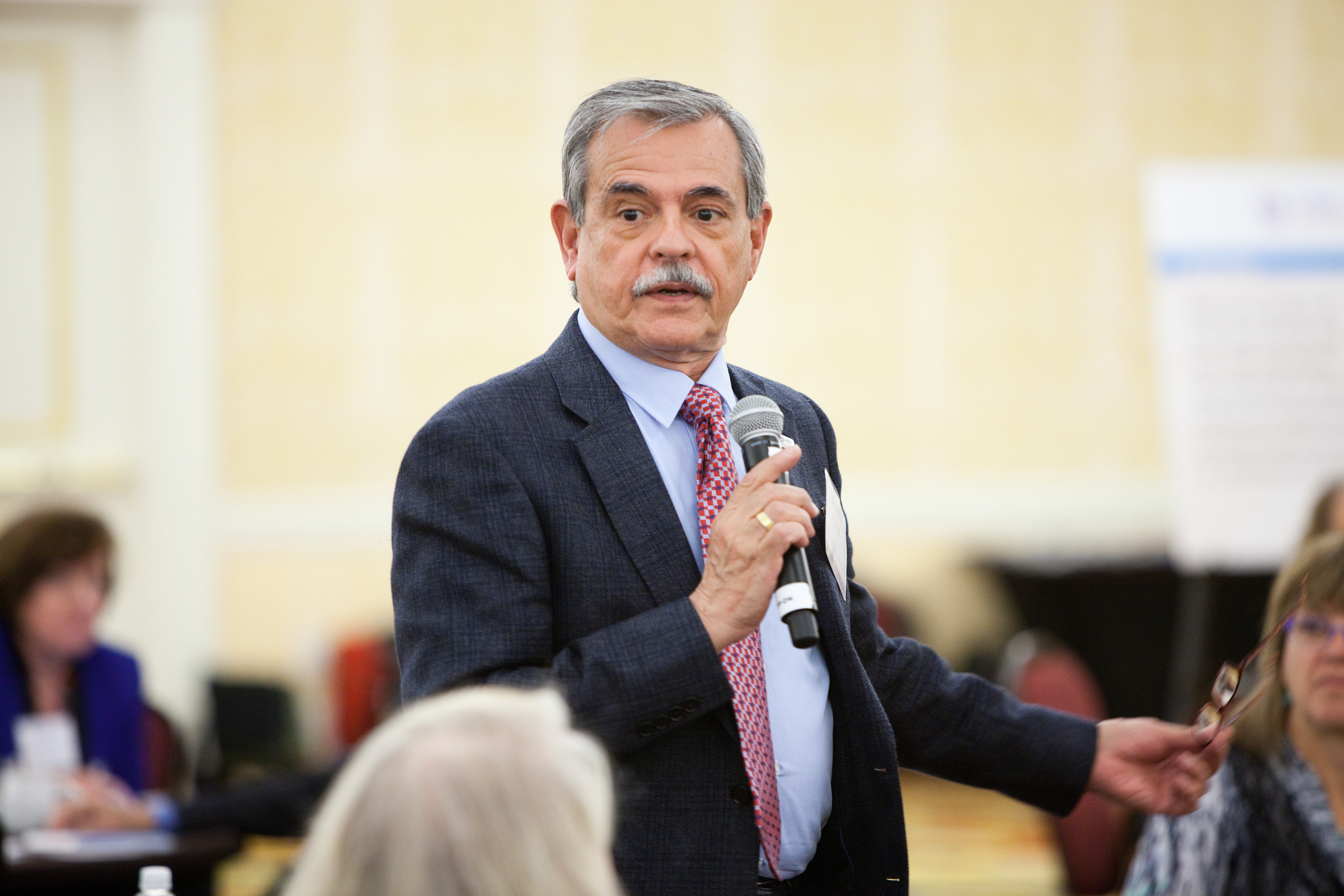
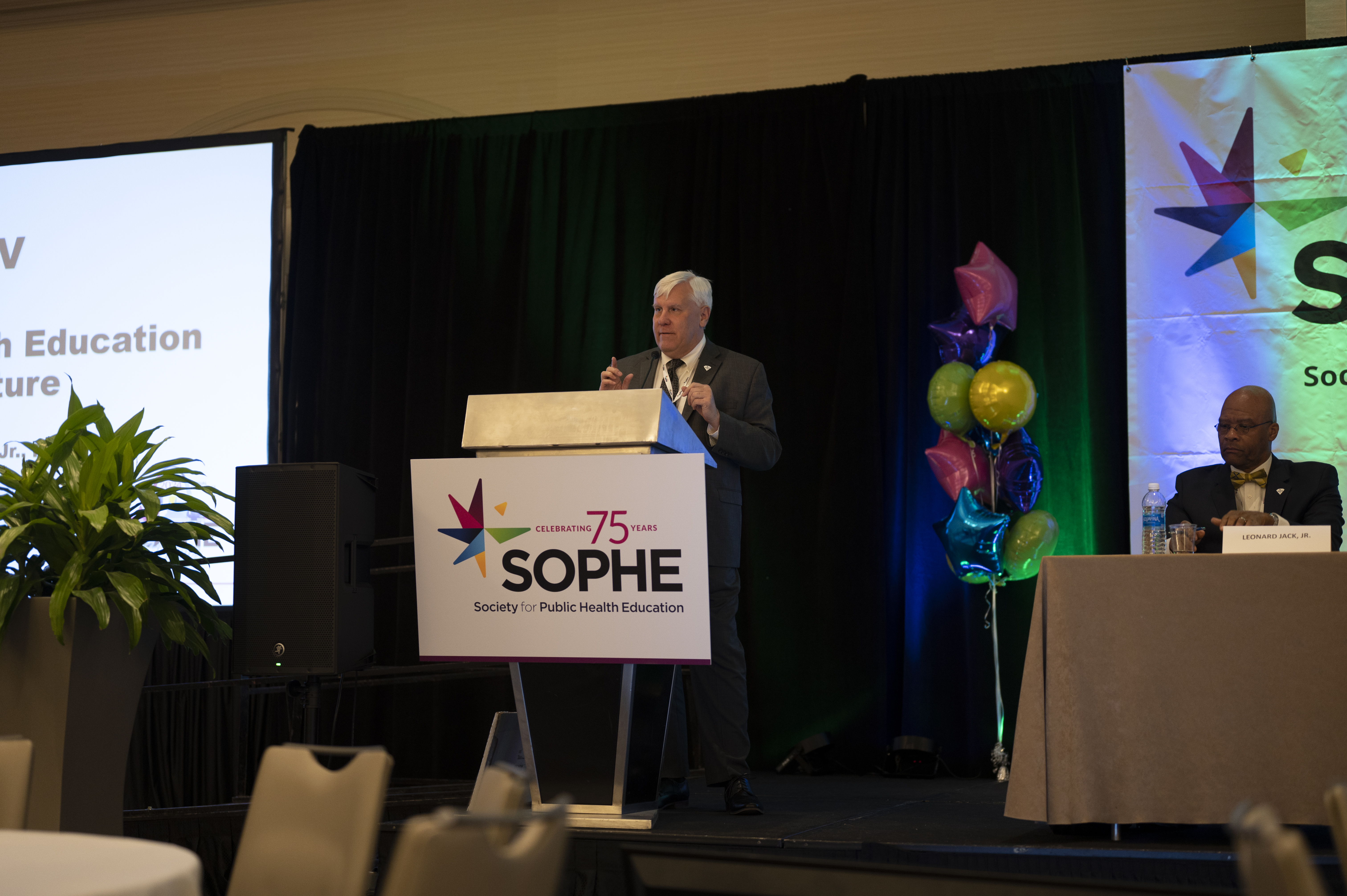
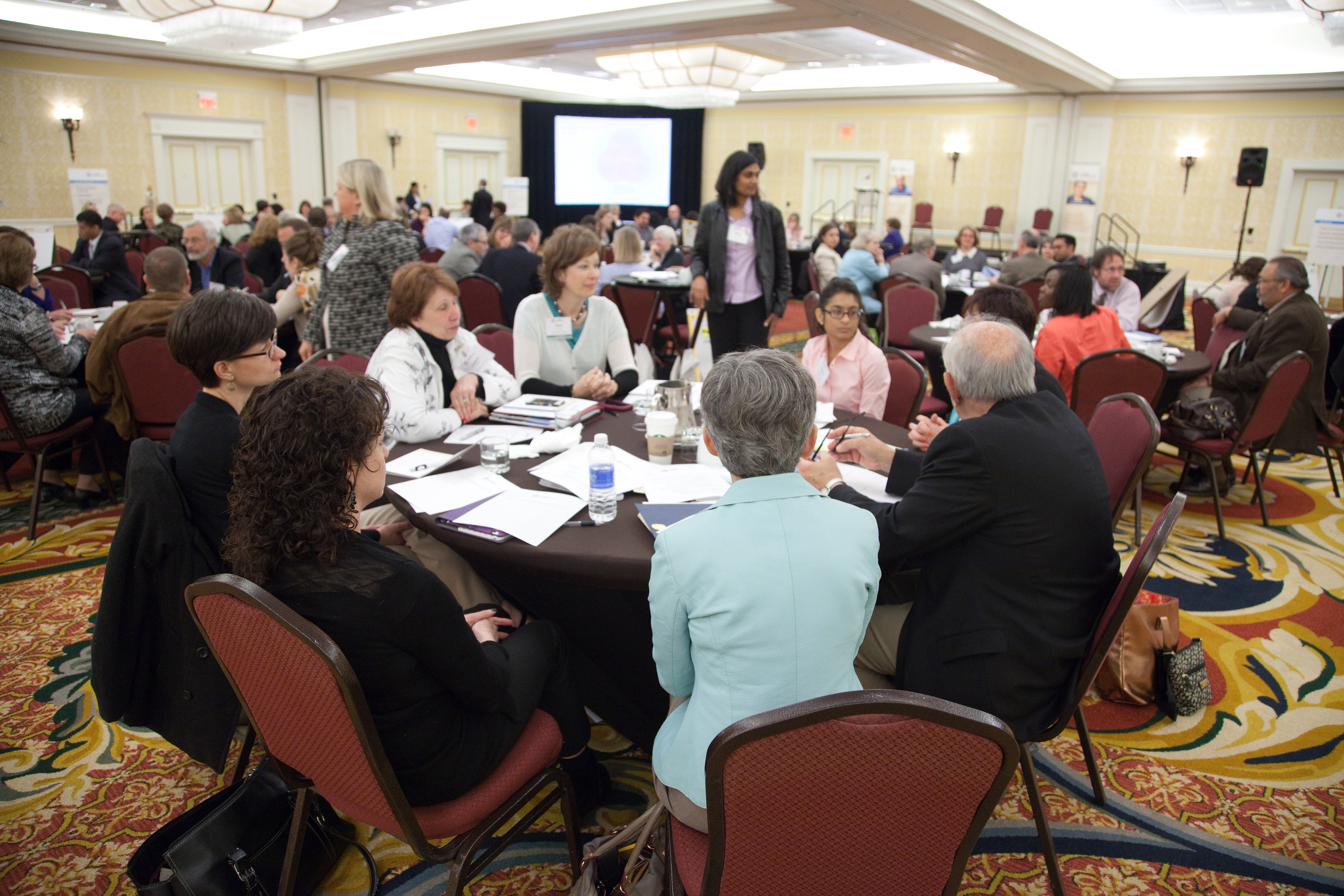
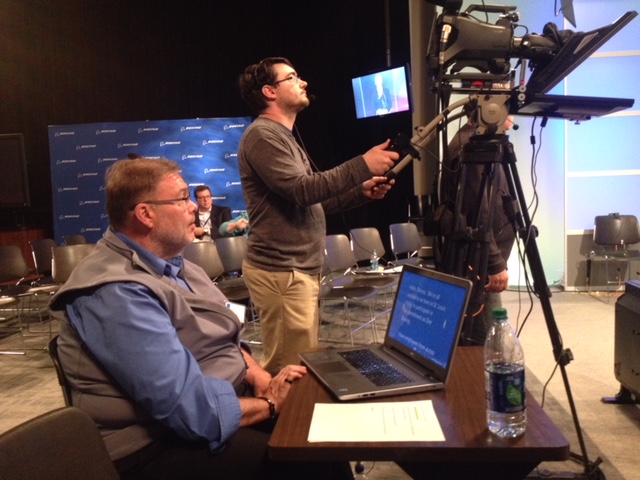
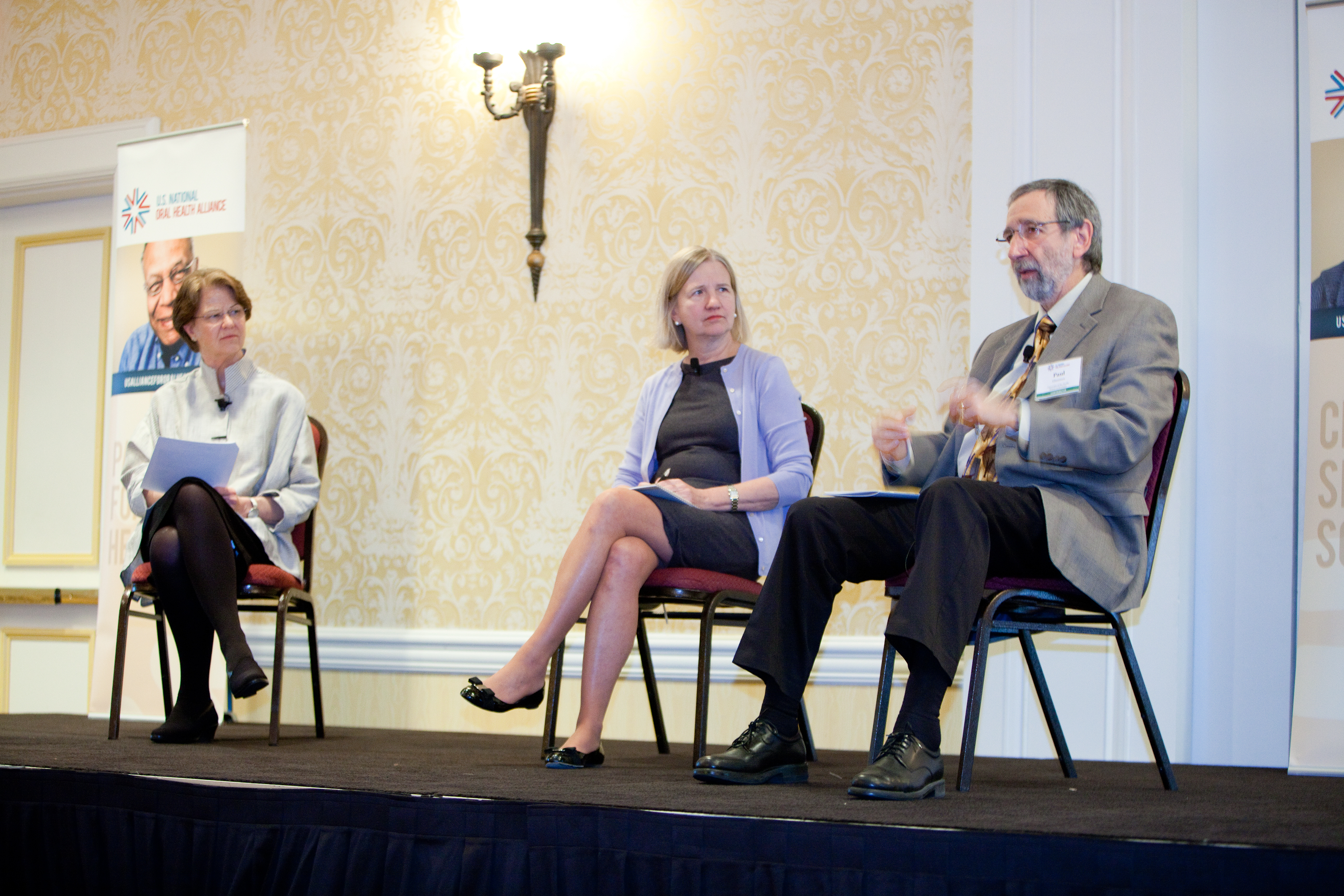
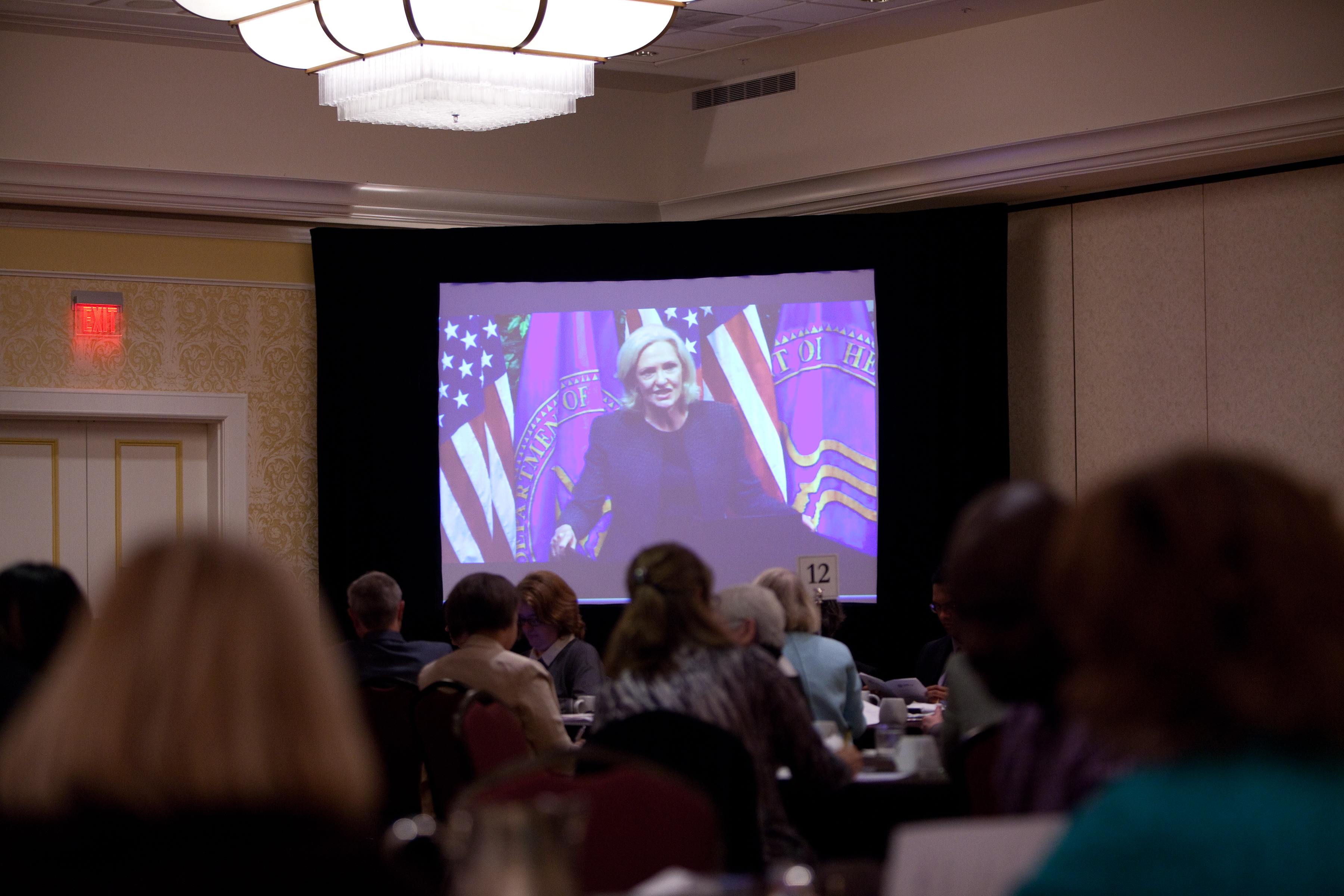
Multi-camera video with dedicated audio is the right call for conferences, keynotes, galas, and any session you plan to publish in full.
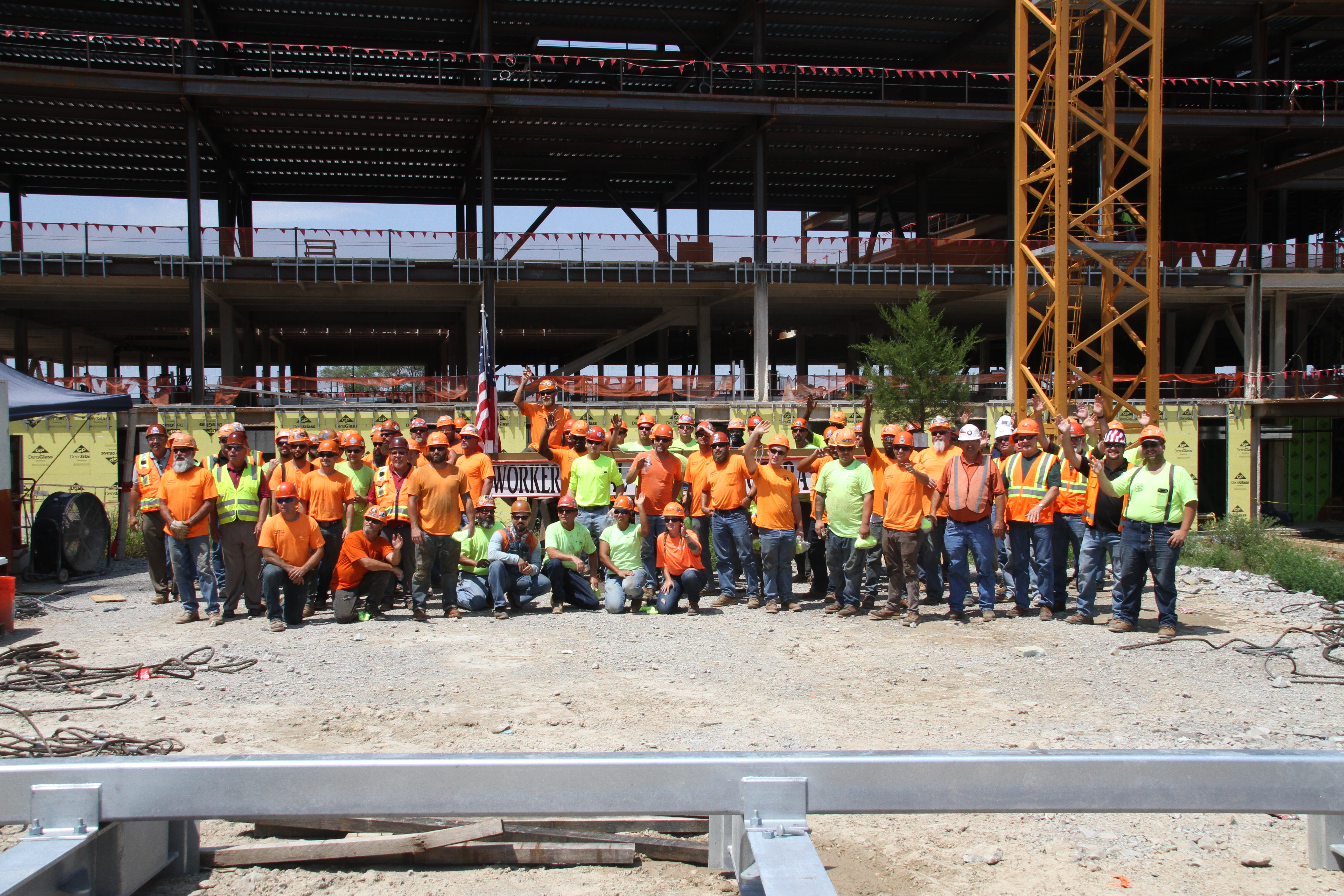
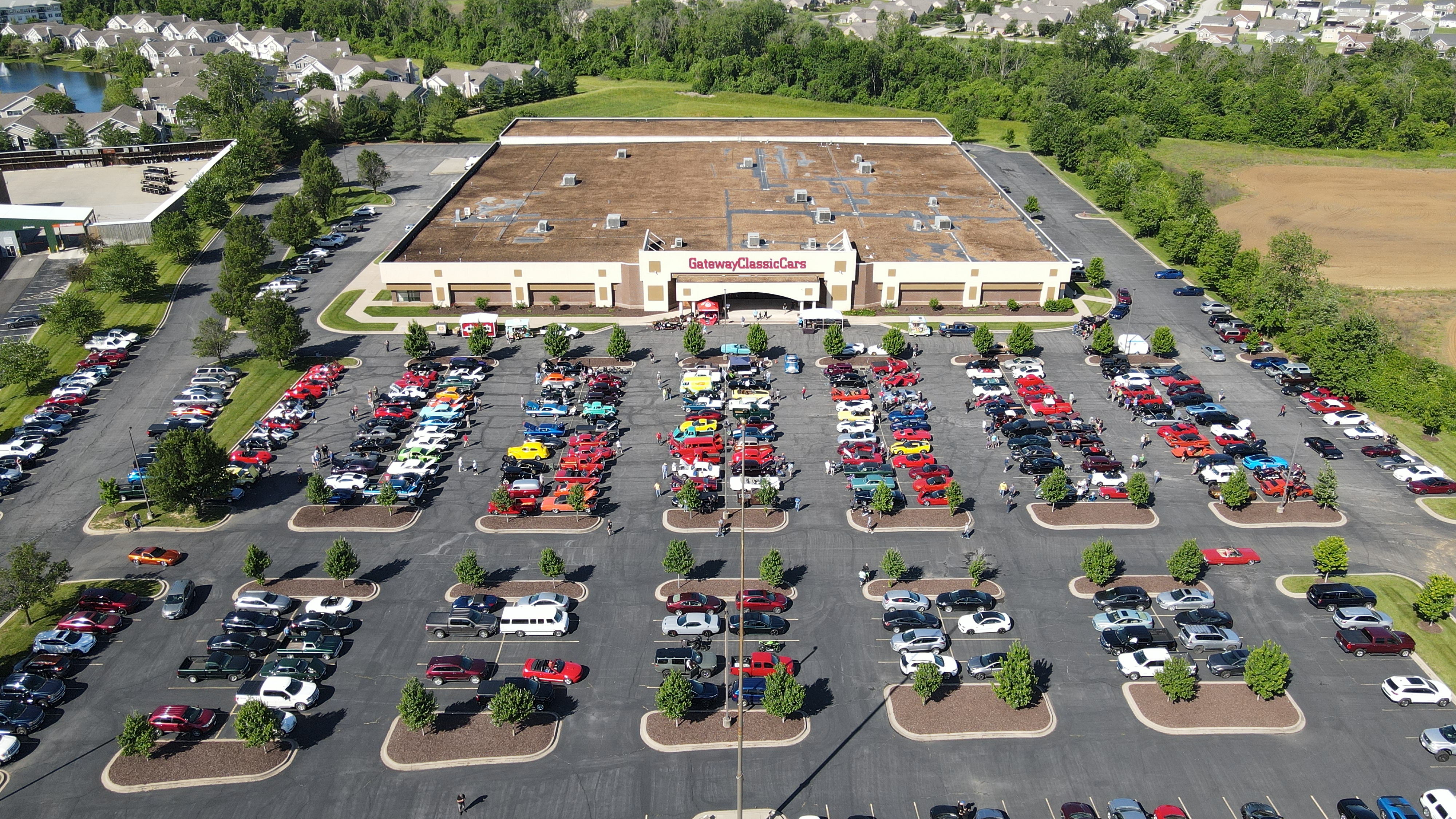
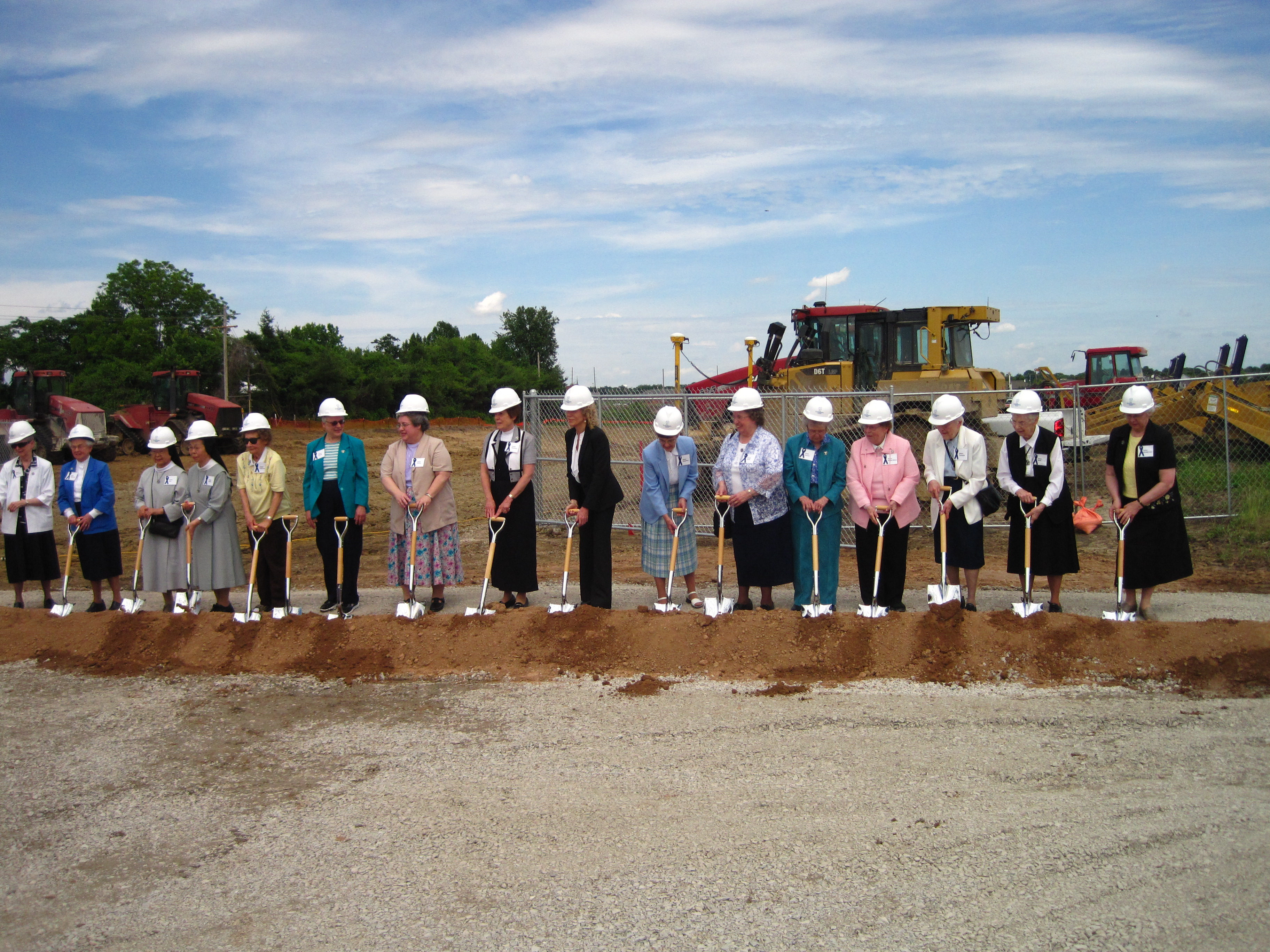
Aerial coverage adds scale for outdoor events, grand openings, and large venues.
Equipment matters most in difficult conditions. Low-light ballrooms, mixed lighting, and fast-moving subjects call for fast lenses, capable low-light cameras, and operators who know how to use them. Redundant gear and backup recording are standard practice for a one-time event.
Get Sound Right
Poor audio is the fastest way to make a good event look amateur. Rooms echo, crowds drown out speakers, and presenters turn away from microphones. Professional coverage plans for this with wireless lavalier or handheld microphones, feeds from the venue’s sound system, and separate ambient recording. If you intend to publish speaker sessions or testimonials, ask about audio before anything else.
Don’t Skip the Site Visit
Visiting the venue before the event, or scouting it remotely, answers practical questions that affect the result:
- Where will cameras have clear sight lines without blocking attendees?
- How will lighting change between sessions and over the course of the day?
- What are the power, load-in, and access requirements?
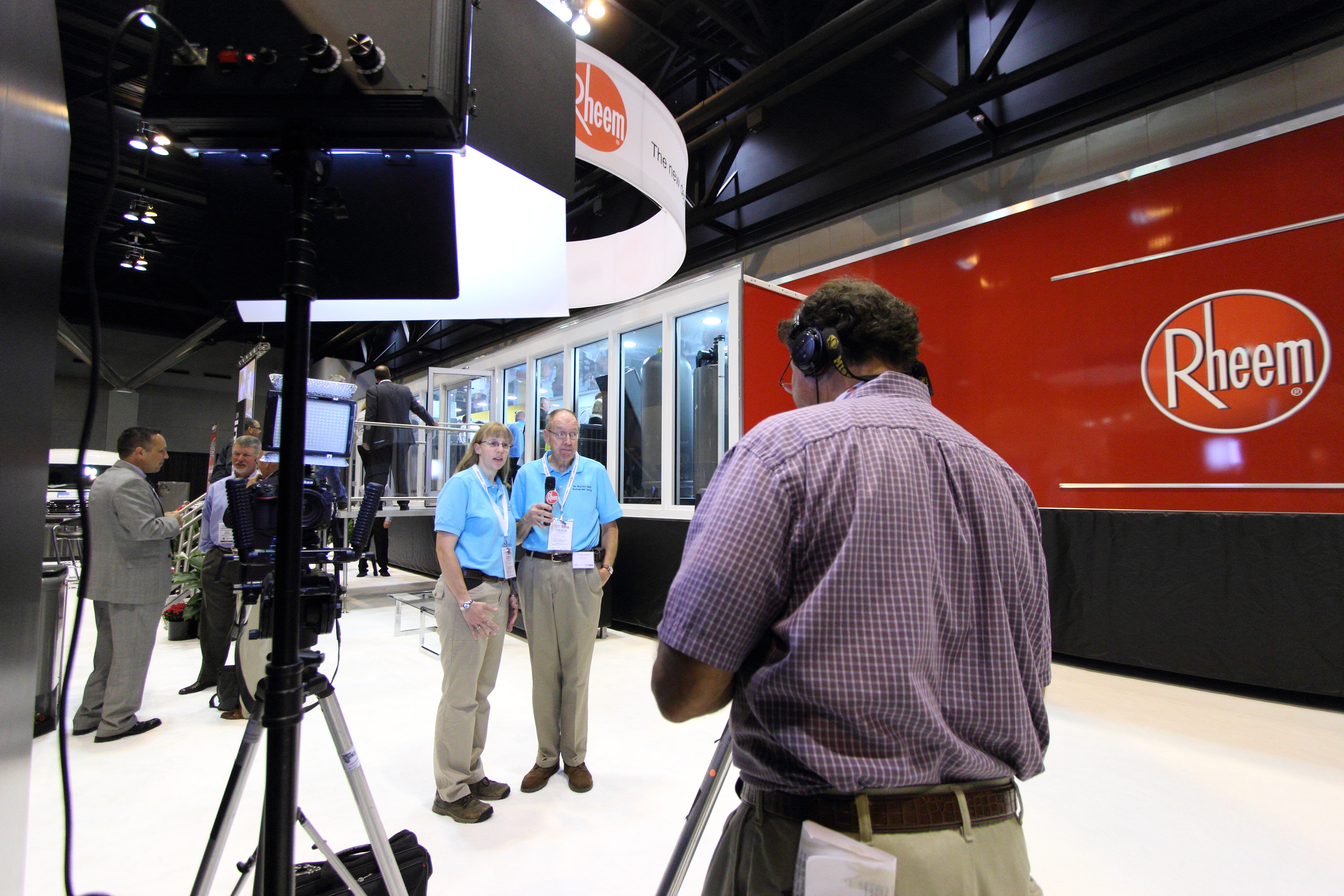
- Where can interviews be recorded away from noise?
- Which details of the space are worth capturing as b-roll?
B-roll deserves attention in its own right. Setup, signage, registration, hospitality, and candid moments give editors the material to build a coherent, polished story rather than a string of speaker clips.
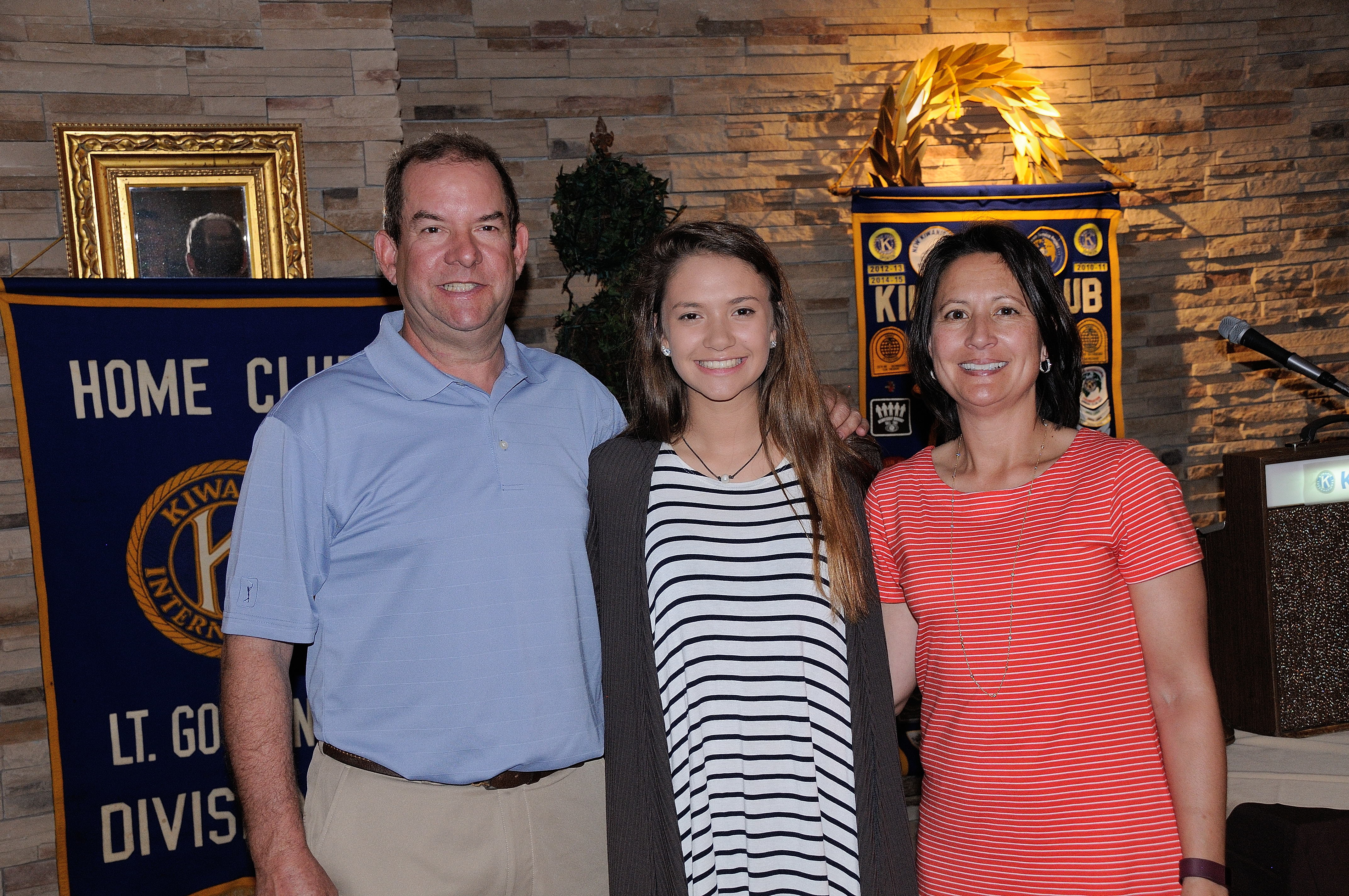
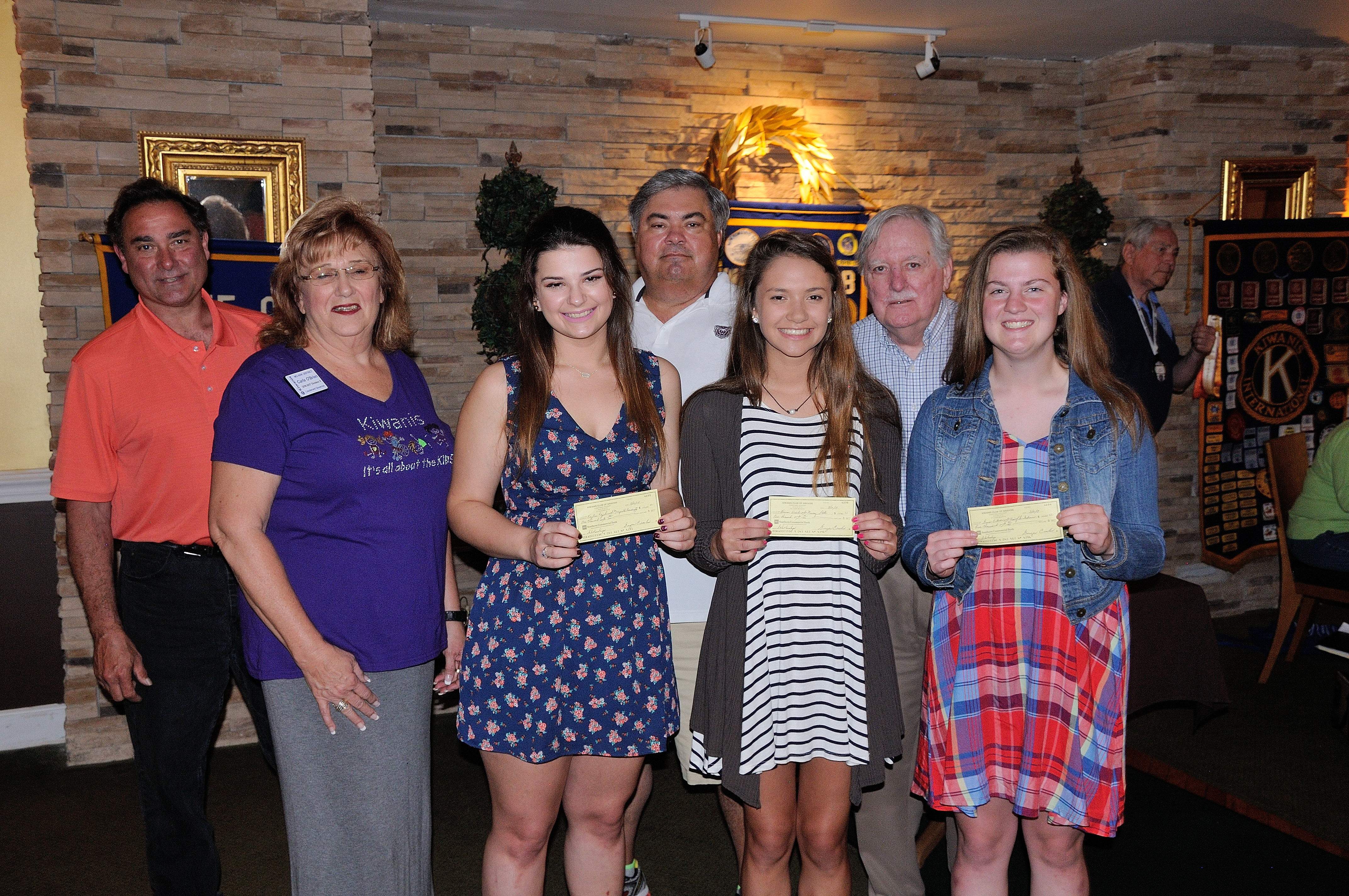
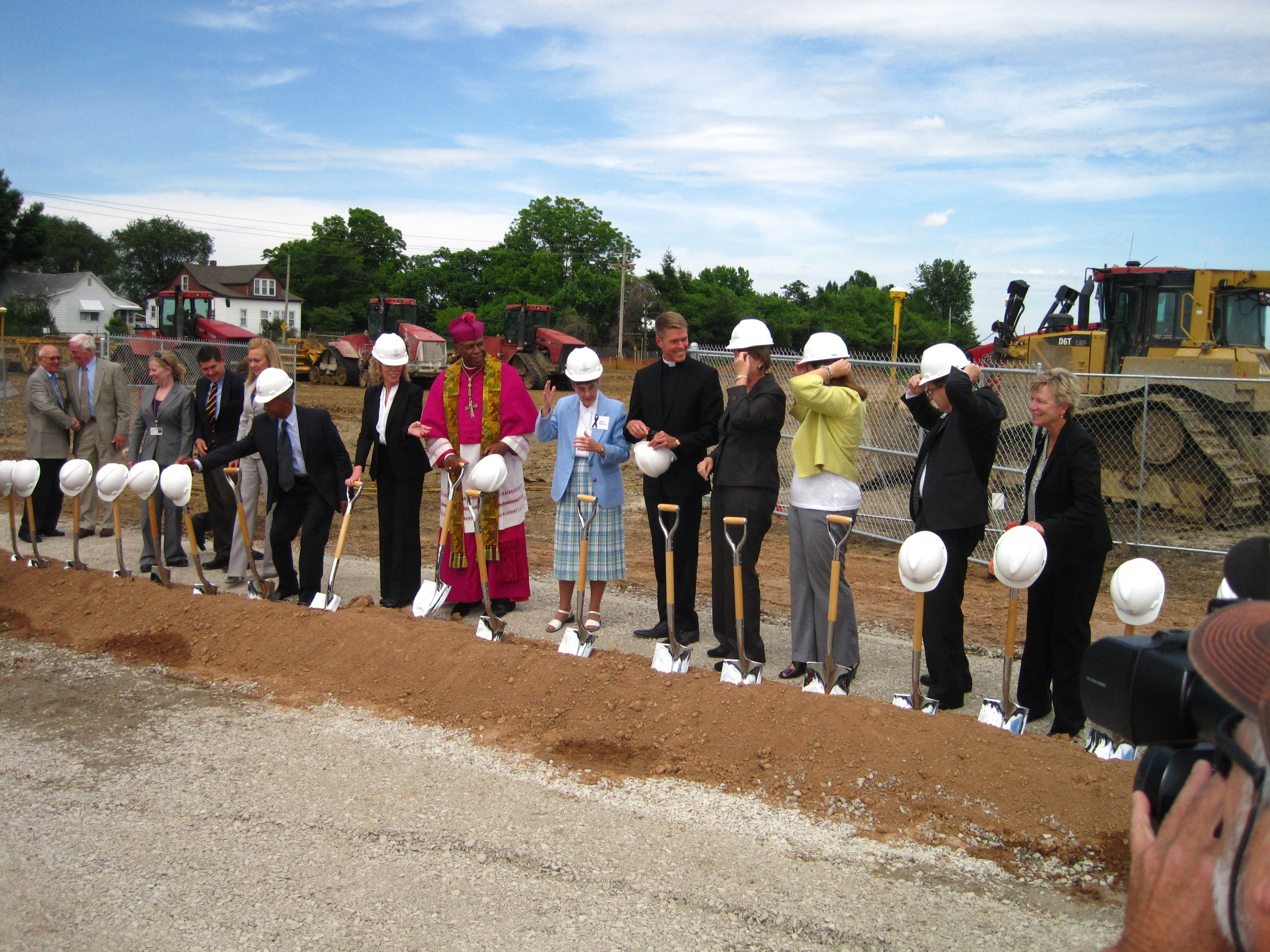
Plan for the Edit and for Delivery
Coverage is only half the work. Your editing plan determines how quickly and how well the content reaches your audience.
Discuss these points in advance:
- Turnaround: Which items do you need within hours, which within days, and which within weeks?
- Formats: Vertical clips for social, horizontal video for web, and high-resolution stills for print all have different requirements.
- Branding and graphics: Logos, lower thirds, captions, and music should match your visual identity.
- Rights and releases: Confirm usage rights for your content, and handle talent and attendee releases appropriately, especially for marketing use.
- Delivery and organization: Well-labeled, easy-to-access files save your team time later.
Artificial intelligence tools now help with sorting and culling large photo sets, transcription, captioning, and audio cleanup. Used well, they speed up turnaround while an experienced editor still makes the creative decisions.
Squeeze More From Every Event
A single event can produce a year of content when you plan to repurpose it. A keynote can become a full session recording, a short promotional clip, a series of quote graphics, and a blog post. Interviews can become testimonials. Photos can fill your website, newsletters, and recruiting materials. Footage from this year’s event can become the promotional centerpiece for next year’s.
Decide early which assets you’ll want to reuse, and capture them with that in mind.
Questions to Ask Before You Hire
- Can you show examples of events similar to ours?
- How many people will you send, and what will each person do?
- What is your backup plan for equipment or crew issues?
- How do you handle audio?
- Who edits the content, and what is the typical turnaround?
- Can you help us repurpose the content after the event?
A provider who answers these confidently and specifically has probably done this before.
About St Louis Headshots
St Louis Headshots is a full-service professional commercial photography and video production company. Since 1982, we have worked with many businesses, marketing firms, and creative agencies in the St. Louis area on their marketing photography and video. That experience, the right equipment, and a creative crew are what make image acquisition successful, particularly at live events, where there is no second take.
We offer full-service studio and location video and photography, plus editing, post-production, and licensed drone services. We customize productions to fit diverse media requirements. We also specialize in repurposing your photography and video branding to gain more traction. We are well-versed in all file types, styles of media, and accompanying software, and we use the latest in artificial intelligence across our media services.
We support every aspect of your production:
- Private studio: Our studio lighting and visual setup is ideal for small productions and interview scenes. The space is large enough to incorporate props to round out your set, and we can set up a private, custom interview studio for your project.
- Crew and equipment: We supply professional sound and camera operators along with the right equipment, so your next video production is seamless and successful.
- Location scouting and b-roll: Our specialists find the right settings and capture the supporting footage that gives your final video depth.
- Specialized drone services: In addition to licensed aerial coverage, we fly specialized FPV drones indoors. We also offer infrared thermal imaging, orthomosaics, and LiDAR.

Planning a conference, launch, gala, or corporate celebration? Contact St Louis Headshots to talk through your goals, and we’ll help you build a production plan that captures the event and gives your marketing something to work with long after it ends.
314-913-5626
Mike Haller
Studio by appointment: 4501 Mattis Road St. Louis, MO 63128