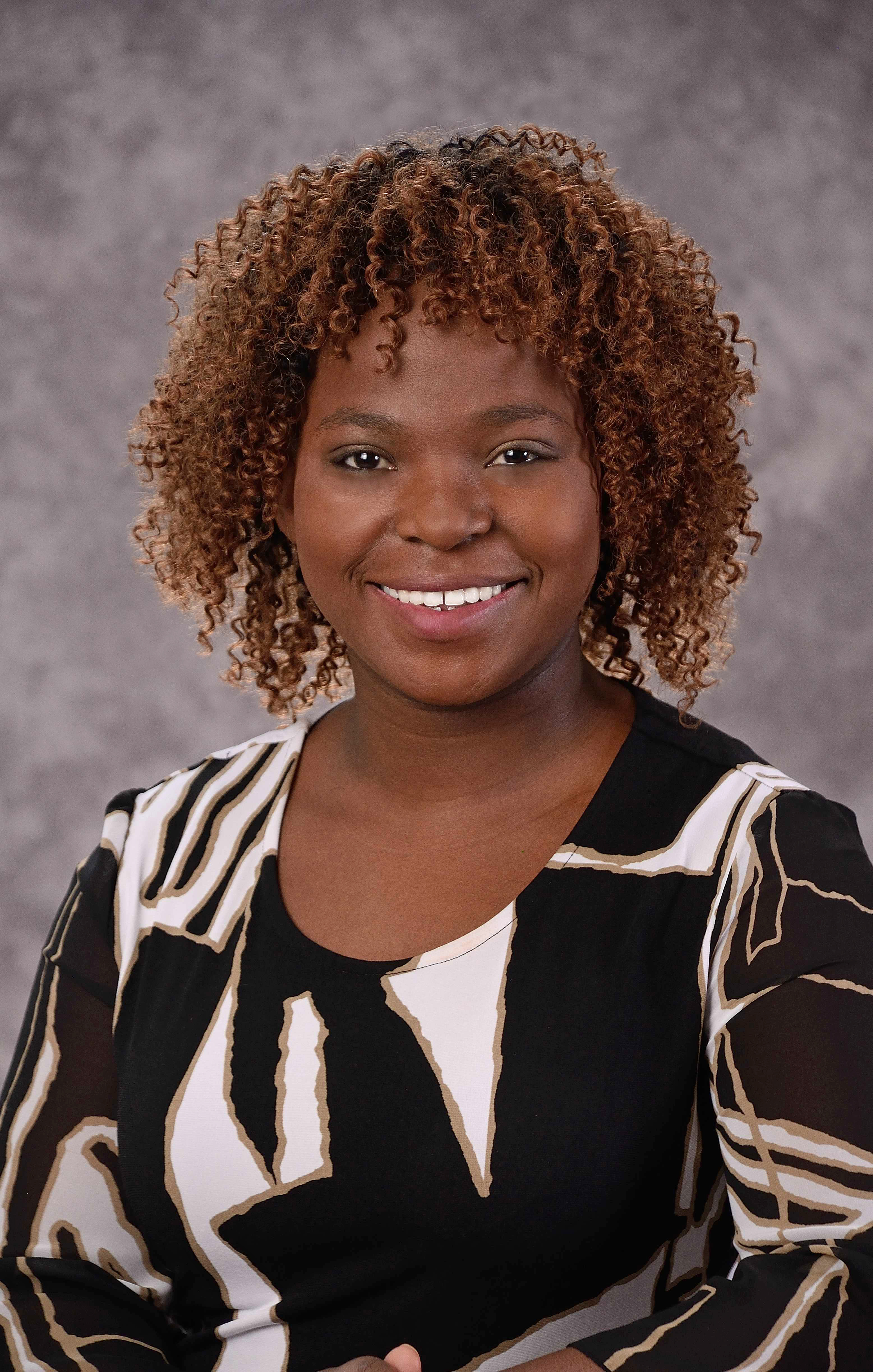
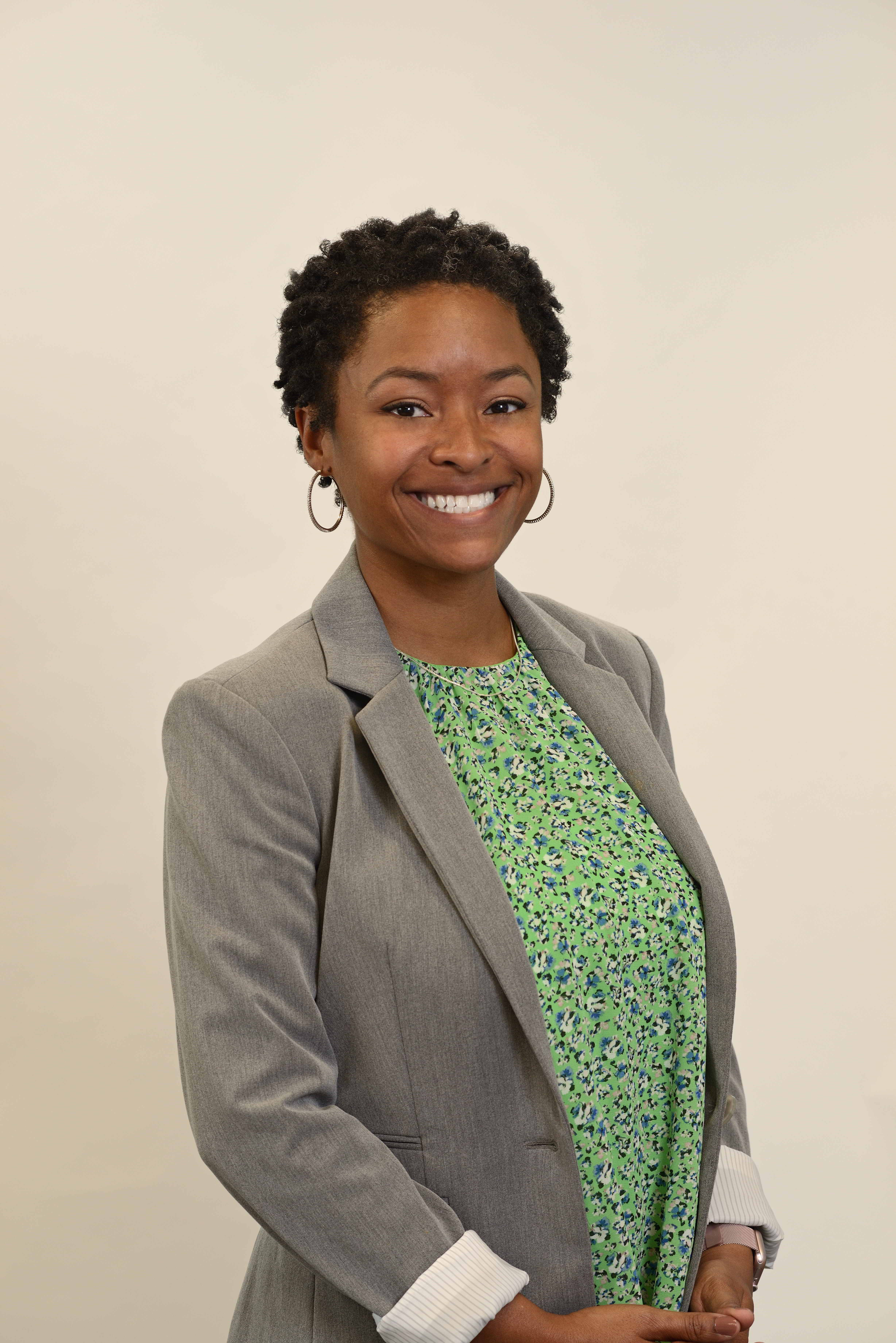
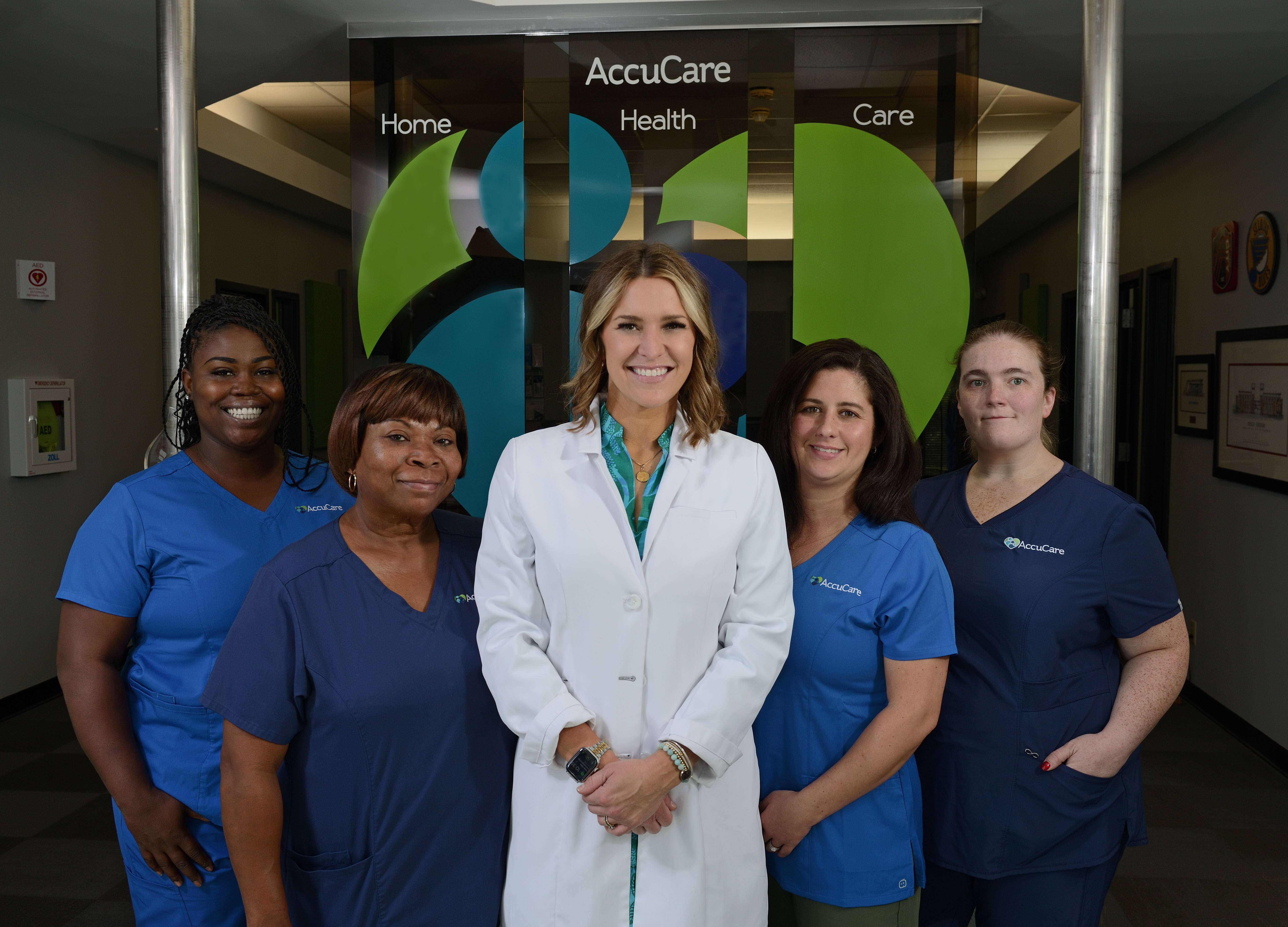
For decision makers responsible for marketing, HR, or brand strategy, headshots often get filed under “nice to have” — something to check off before a new hire’s start date or ahead of a website relaunch. That framing undersells what a professional headshot actually does for an organization. In a market where a prospective client, candidate, or partner forms an impression of your company within seconds of landing on a website or LinkedIn profile, the quality and consistency of your team’s headshots is a direct reflection of your brand’s credibility.
This post breaks down why professional headshots deserve a real line item in your marketing or HR budget, what separates a professional result from a “good enough” one, and how to plan a headshot session that scales across an entire organization.
The First Impression Problem
Before a prospect reads your value proposition, before a candidate reviews your benefits package, they see a face. Research on first impressions consistently shows that people form judgments about competence, trustworthiness, and approachability within a fraction of a second of viewing a photo. That judgment gets applied — fairly or not — to your entire organization.
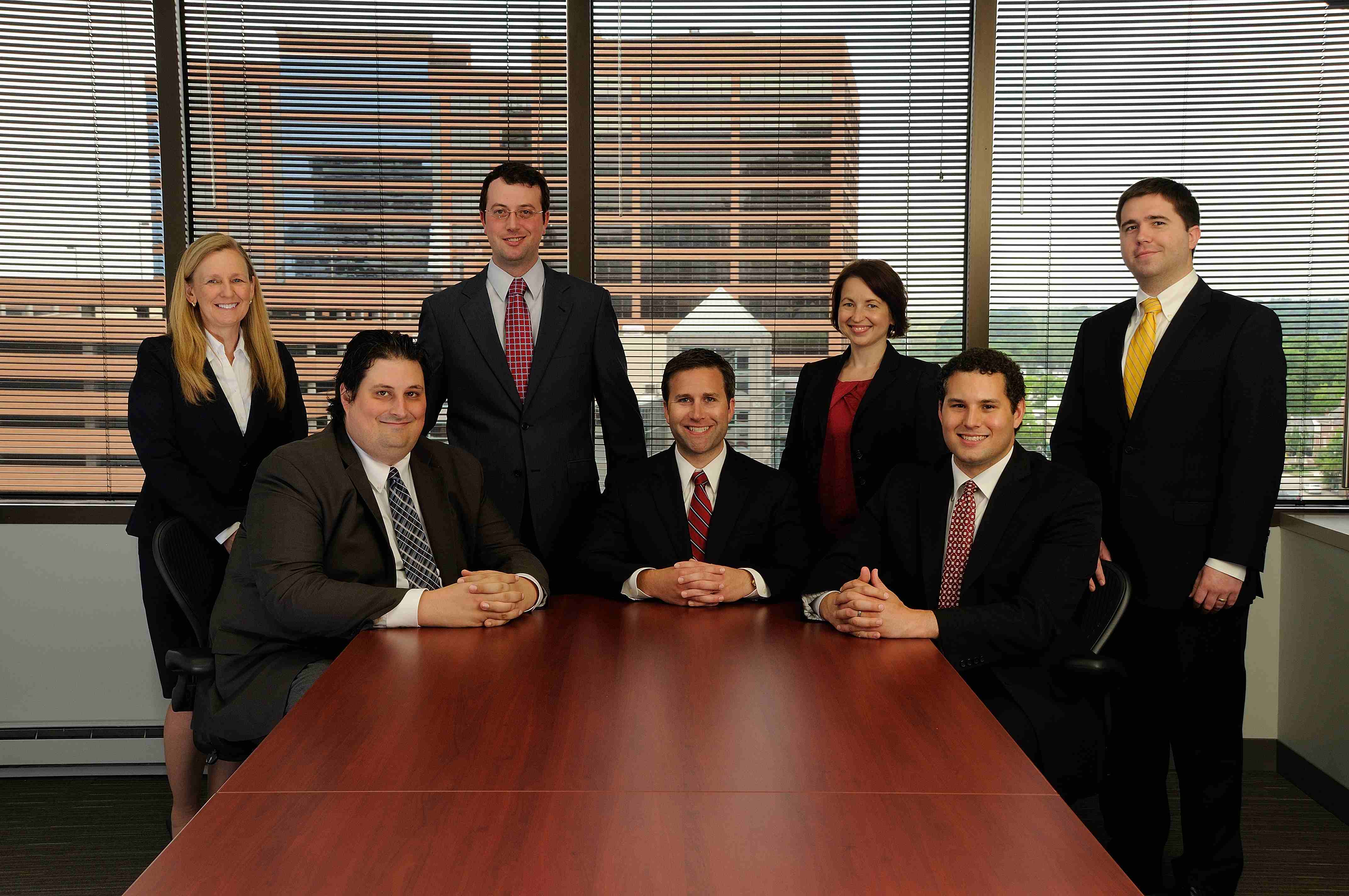
Inconsistent headshots create a subtler problem: they signal disorganization. A leadership page where half the team has crisp, well-lit studio photos and the other half has cropped vacation photos or outdated webcam captures tells visitors that brand standards aren’t being enforced. For companies competing for talent, clients, or investment, that inconsistency is a missed opportunity at best and a credibility gap at worst.
Where Professional Headshots Matter Most
Company websites and leadership pages. Your “About” or “Team” page is frequently one of the most-visited sections of a corporate site, especially for B2B companies where buyers want to know who they’ll be working with.
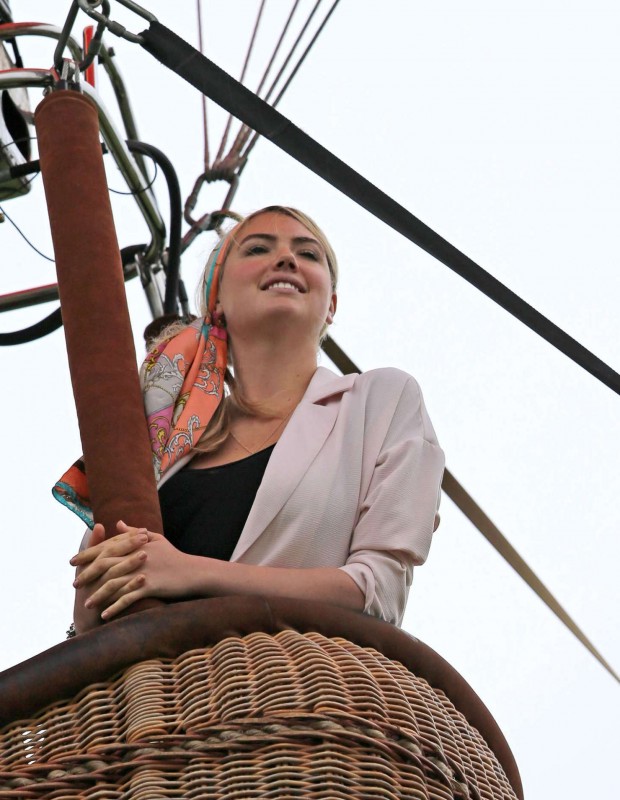
LinkedIn and professional networking. LinkedIn profile photos with a professional, well-lit headshot receive significantly more profile views and connection requests than casual or low-quality photos. For sales teams, recruiters, and executives, this translates directly into more inbound engagement.
Press, speaking engagements, and media kits. Journalists, conference organizers, and podcast hosts routinely request headshots on short notice. Having a current, professional library on hand avoids scrambling for a usable photo — or worse, publishing an outdated one.




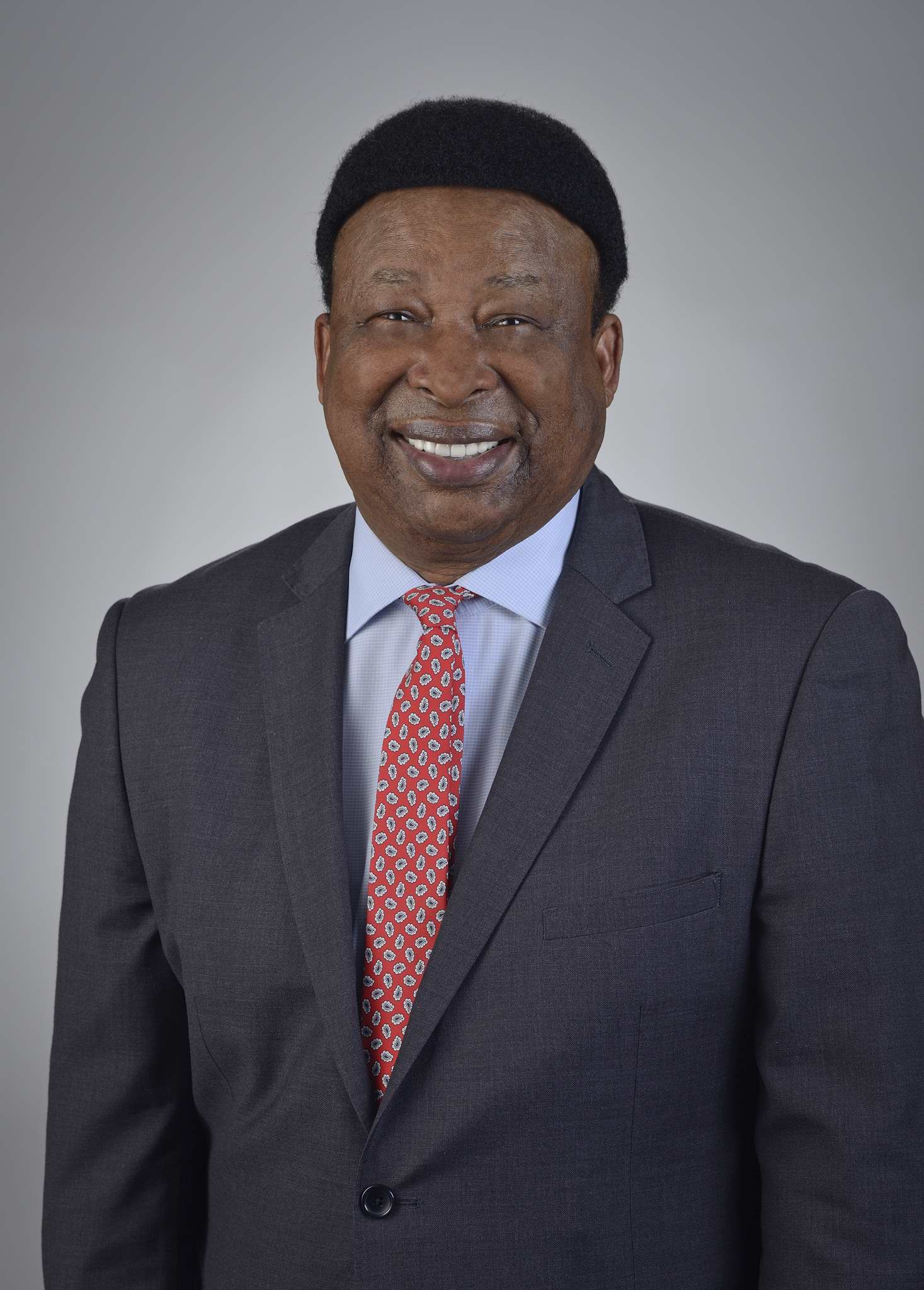


Recruiting and employer branding. Candidates evaluate a company’s culture and professionalism well before an interview. A polished, consistent team photo gallery signals an organization that invests in its people.
Internal communications and directories. Employee directories, badge photos, and internal newsletters benefit from a consistent visual standard just as much as external-facing materials.
What Separates a Professional Headshot from a “Good Enough” One
Not all headshots are created equal, and the difference often comes down to a handful of technical and stylistic factors that a trained photographer manages deliberately:
Lighting. Flat, harsh, or mismatched lighting is the most common giveaway of an amateur photo. Professional headshot lighting is engineered to flatter facial features, minimize shadows, and remain consistent from person to person — critical when you’re photographing an entire team.
Background consistency. A unified background — whether a clean studio backdrop or a consistent on-location setting — reinforces brand cohesion across a leadership page or directory. Mismatched backgrounds are one of the fastest ways to make a team page look thrown together.

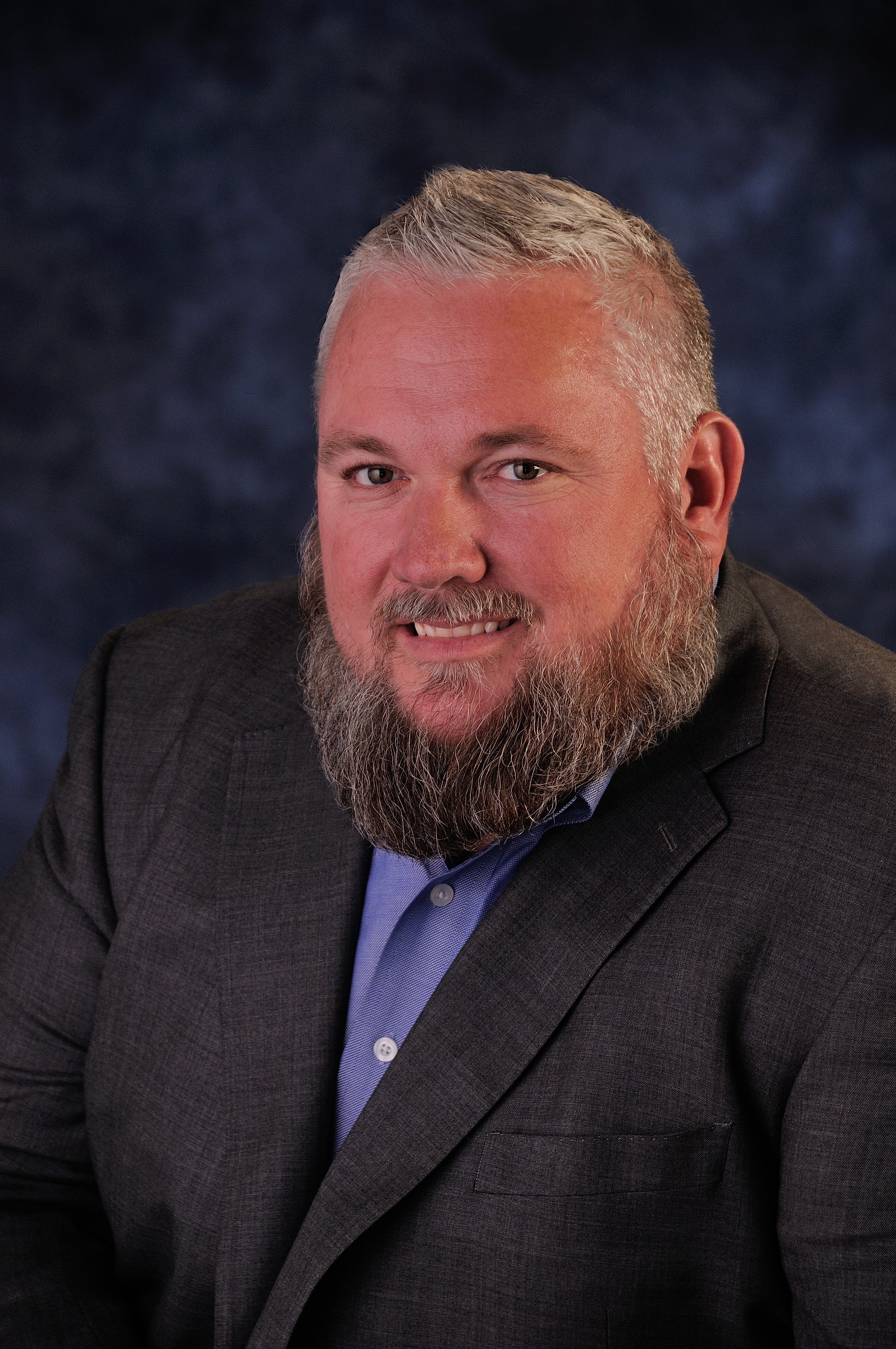

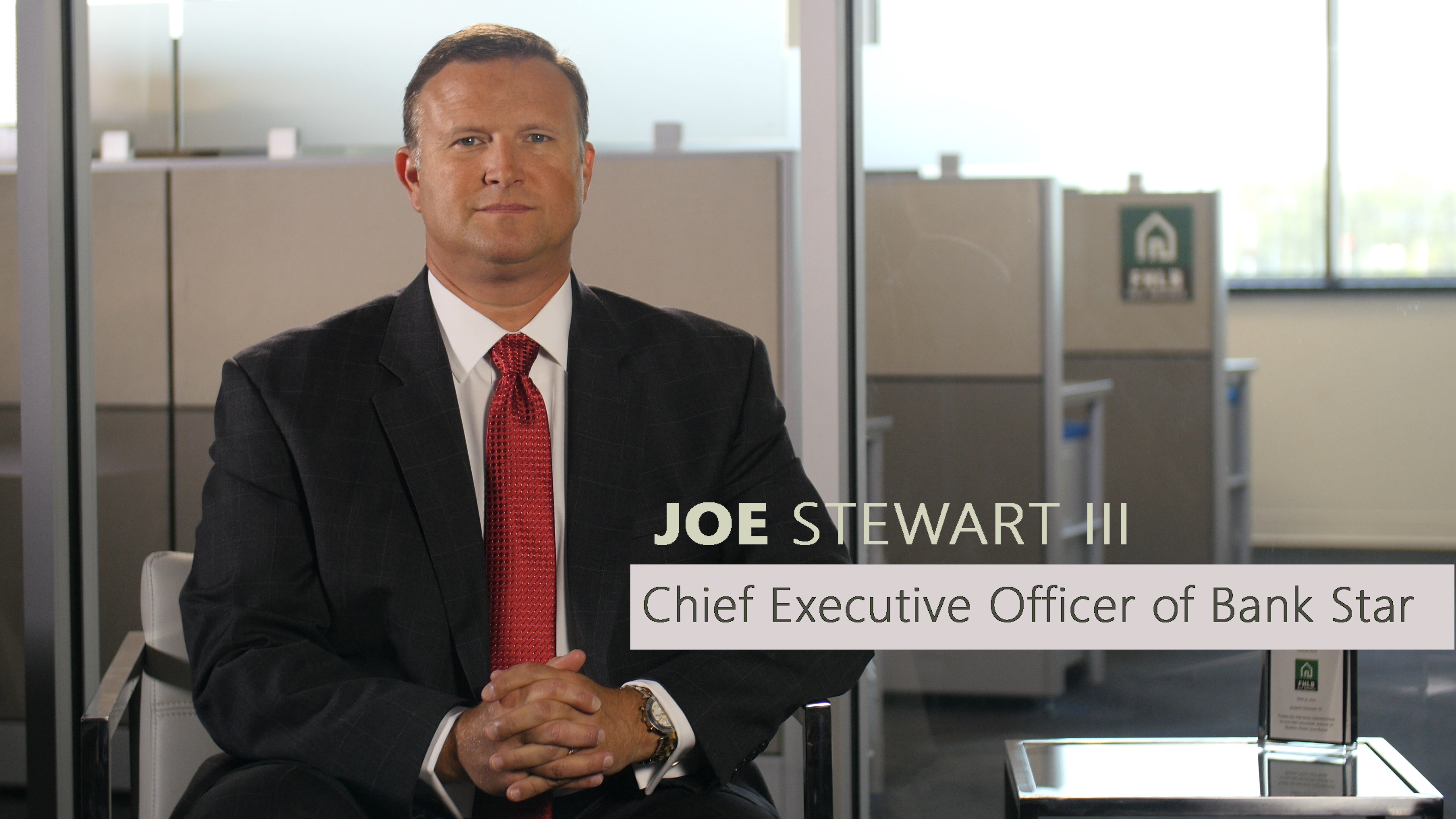
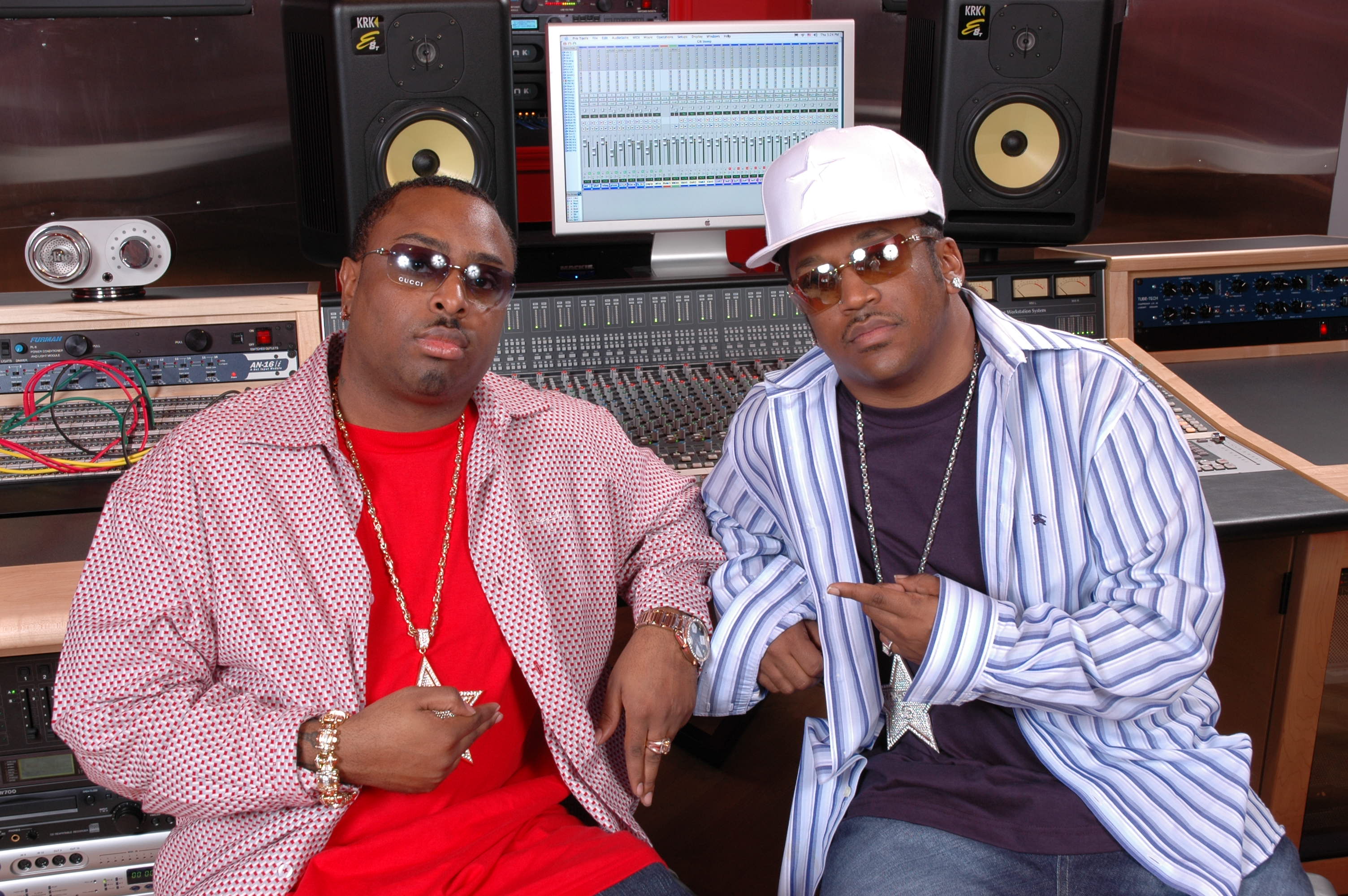

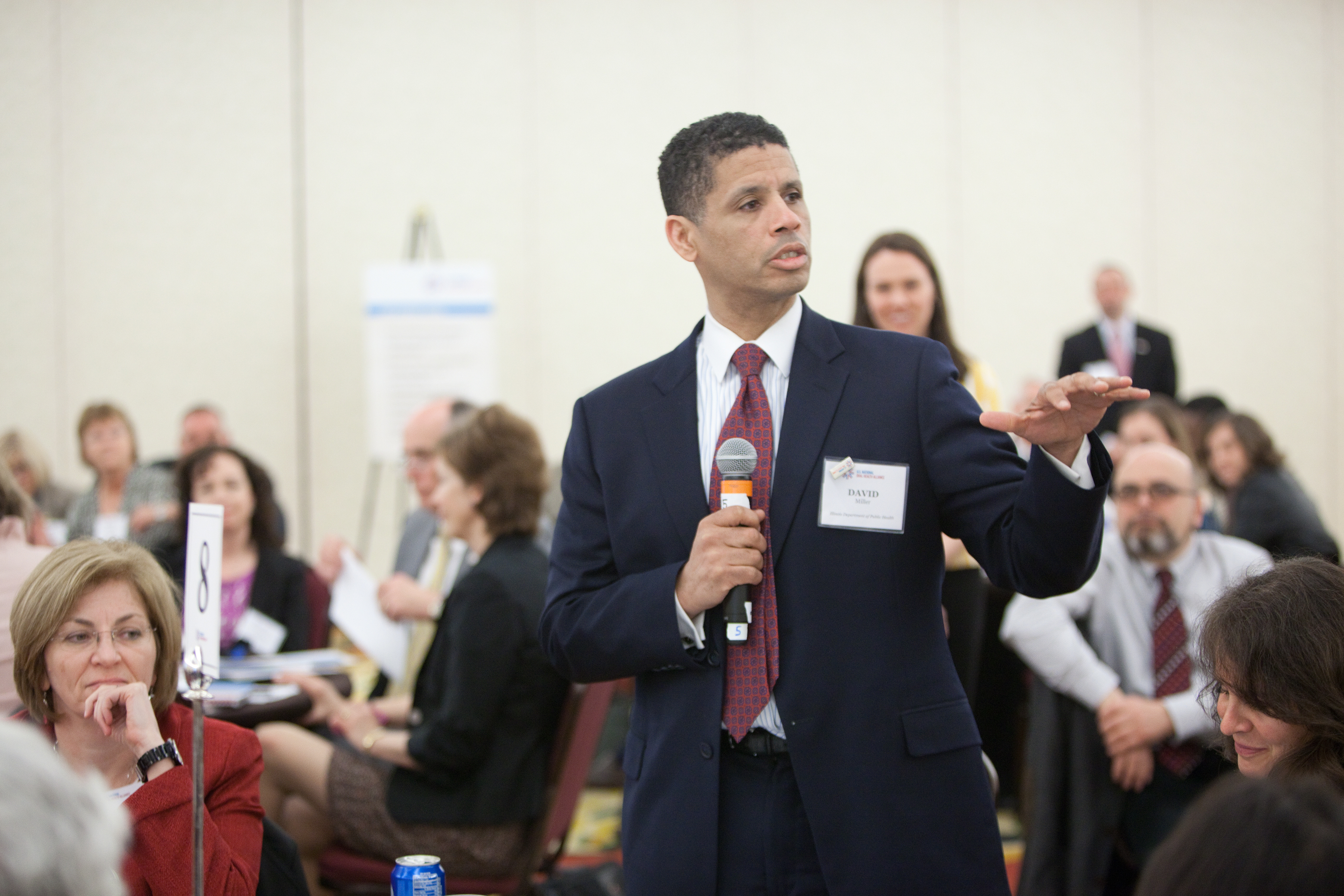
Wardrobe and posing guidance. A good headshot photographer doesn’t just click the shutter — they guide posture, expression, and framing to produce a result that feels natural rather than stiff, while still reading as professional.
Retouching with restraint. Light, professional retouching — evening skin tone, removing temporary blemishes, correcting stray hairs — keeps a headshot polished without looking artificial or over-edited.
File delivery standards. Professional sessions typically deliver multiple crop ratios and file formats optimized for web, print, LinkedIn, and internal use, saving your marketing or HR team from resizing and reformatting images themselves.
Planning a Headshot Session That Scales
For organizations photographing more than a handful of people, a few planning decisions make the difference between a smooth session and a logistical headache:
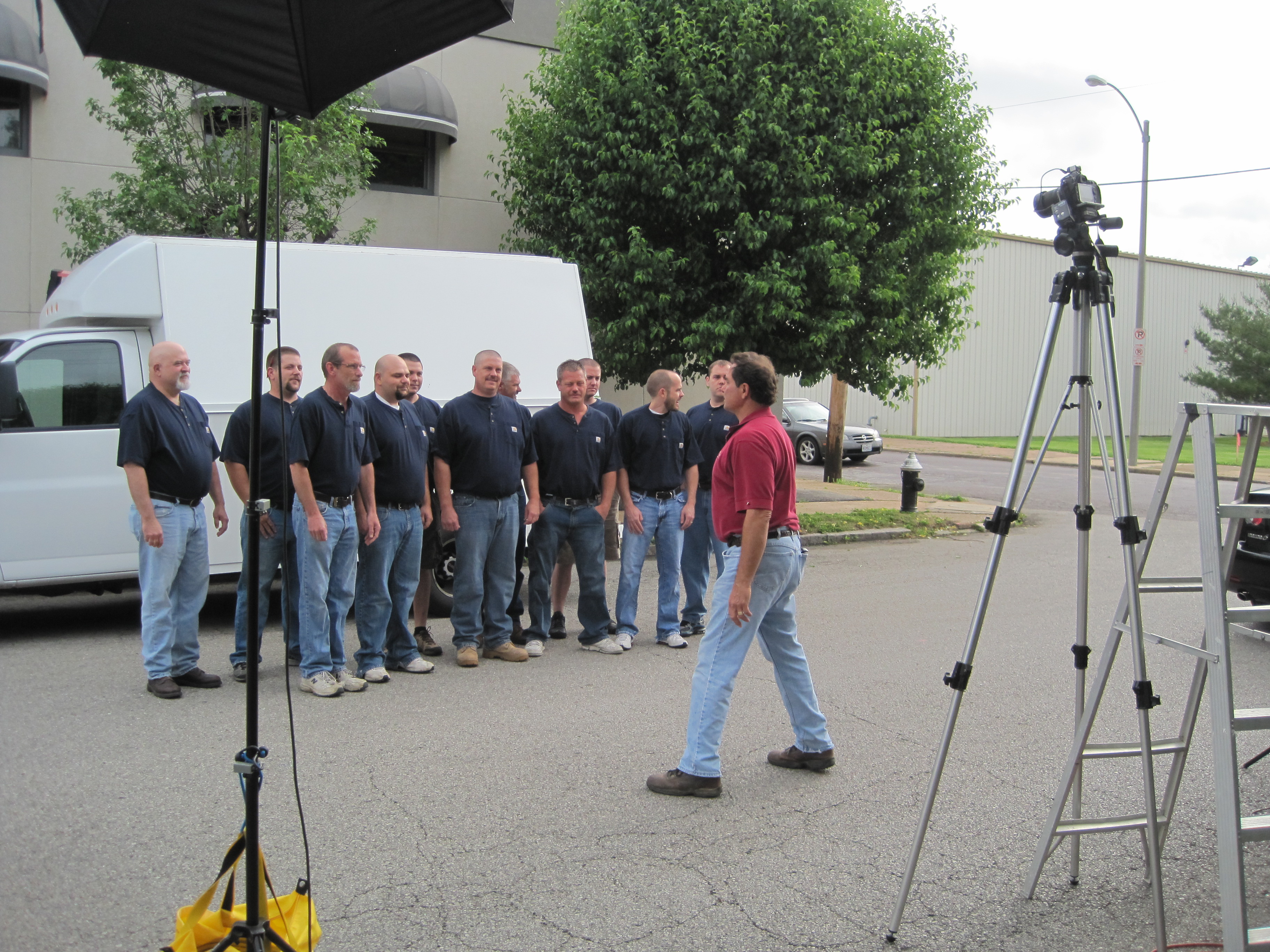
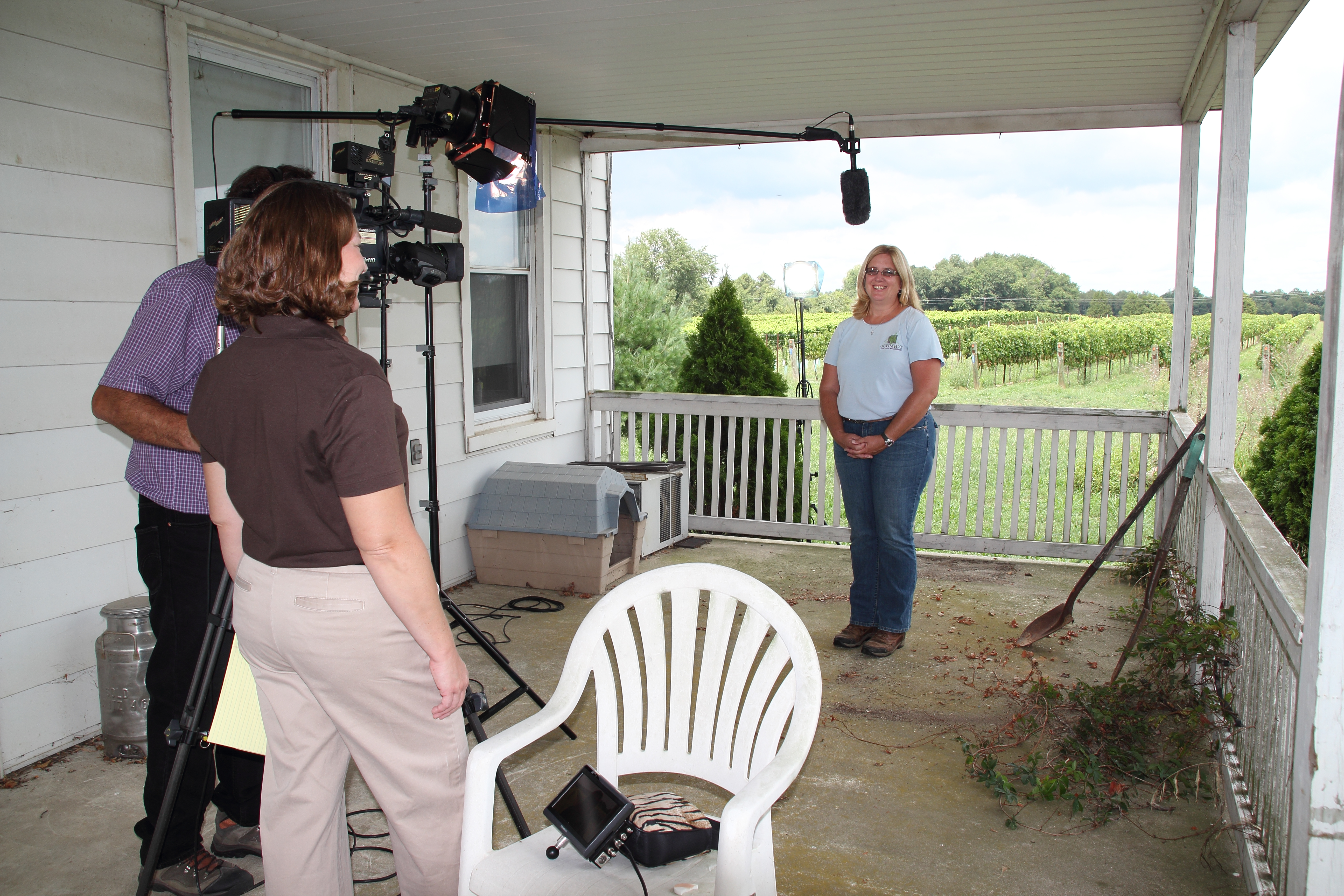
1. Decide between studio and on-location. A studio session offers maximum lighting and background control, while an on-location session — shot in your office or facility — can incorporate branded environments and reduce travel time for staff. Many organizations benefit from a hybrid approach depending on team size and schedule.
2. Build a realistic shoot schedule. Professional sessions typically run 10–15 minutes per person for a standard corporate headshot. For larger teams, scheduling blocks in advance with a clear sign-up system prevents bottlenecks and downtime.
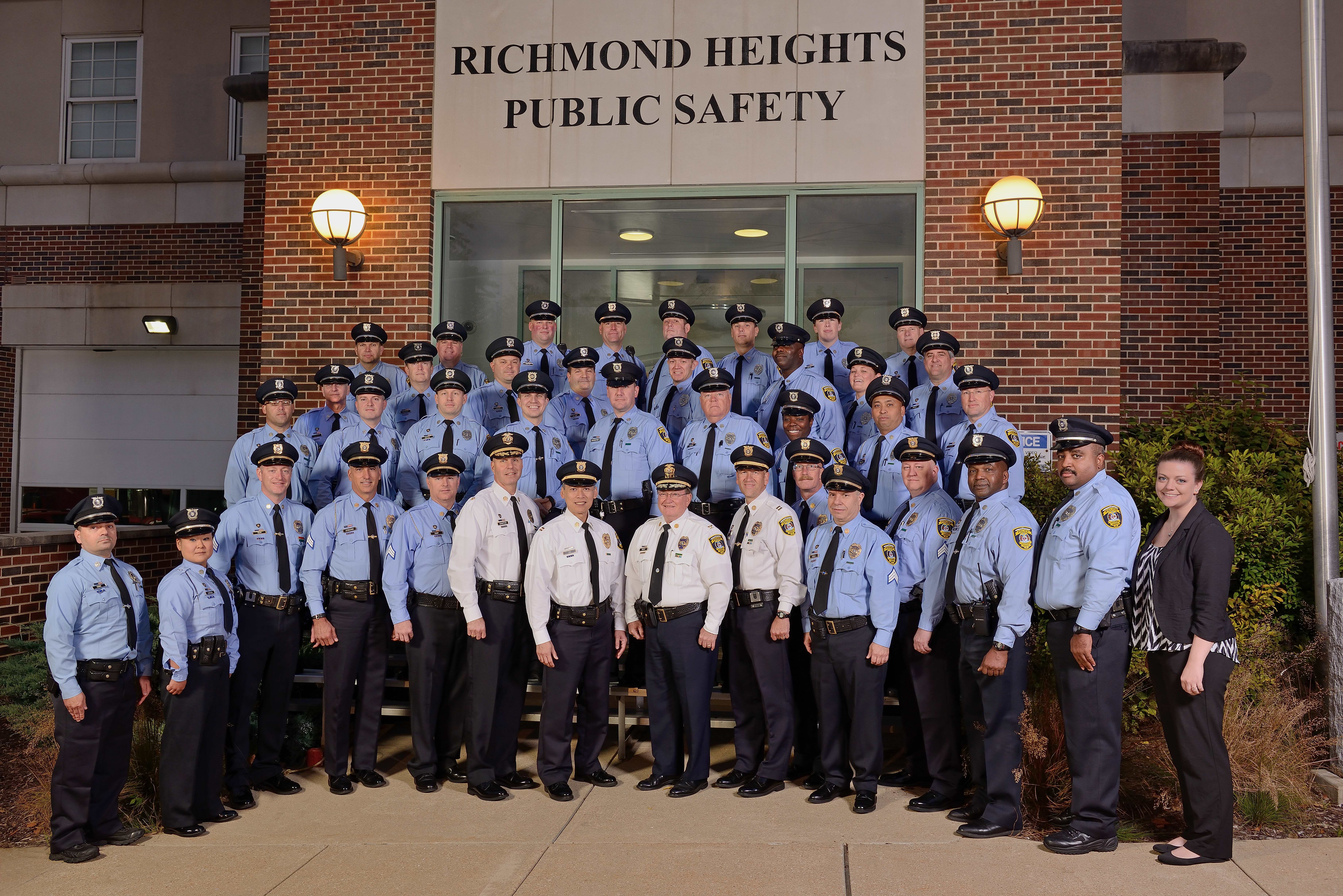

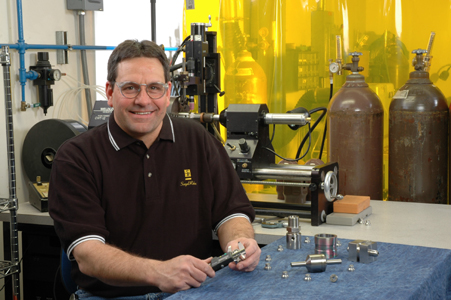
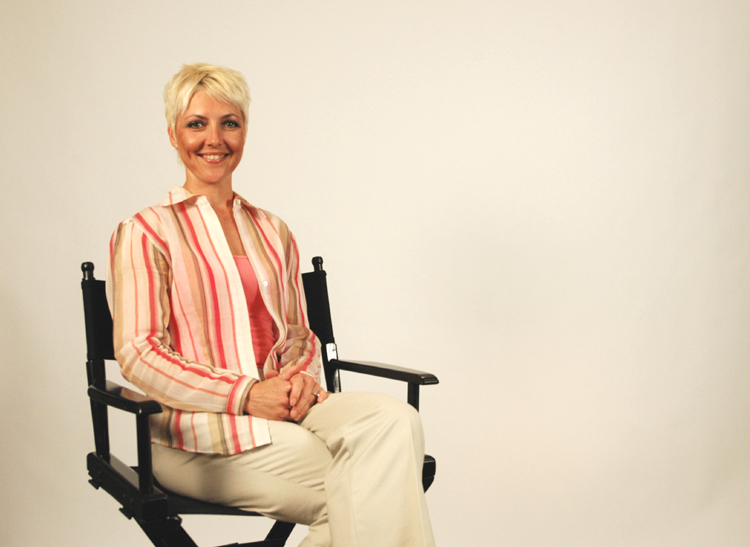






3. Set clear style guidelines in advance. Circulating brief wardrobe and background guidance ahead of the shoot — solid colors versus patterns, jackets versus casual attire — helps ensure the finished gallery feels cohesive.
4. Plan for turnover. New hires, promotions, and departures mean your headshot library needs periodic refreshes. Establishing a standing relationship with a photographer, rather than a one-time session, keeps your team page and directories current without renegotiating logistics every time.
5. Centralize file delivery and storage. Decide in advance where final images will be stored and how staff will access their own photos — a shared drive, an internal portal, or delivery directly to HR and marketing — to avoid version-control issues down the line.
The ROI of Getting It Right
A headshot session is a relatively small investment compared to most marketing or recruiting initiatives, but its visibility is outsized. These images appear on your website, your proposals, your press materials, your employees’ LinkedIn profiles, and often in places you don’t fully control — conference bios, industry directories, news coverage. Treating headshots as a professional brand asset, rather than an administrative task, pays dividends every time someone forms a first impression of your company through a photo.




About St Louis Headshots
St Louis Headshots specializes in professional corporate headshot photography for businesses, executive teams, and organizations throughout the St. Louis area. We understand that a headshot is often the first — and sometimes only — visual impression a client, candidate, or partner has of your company, and we approach every session with that standard in mind.
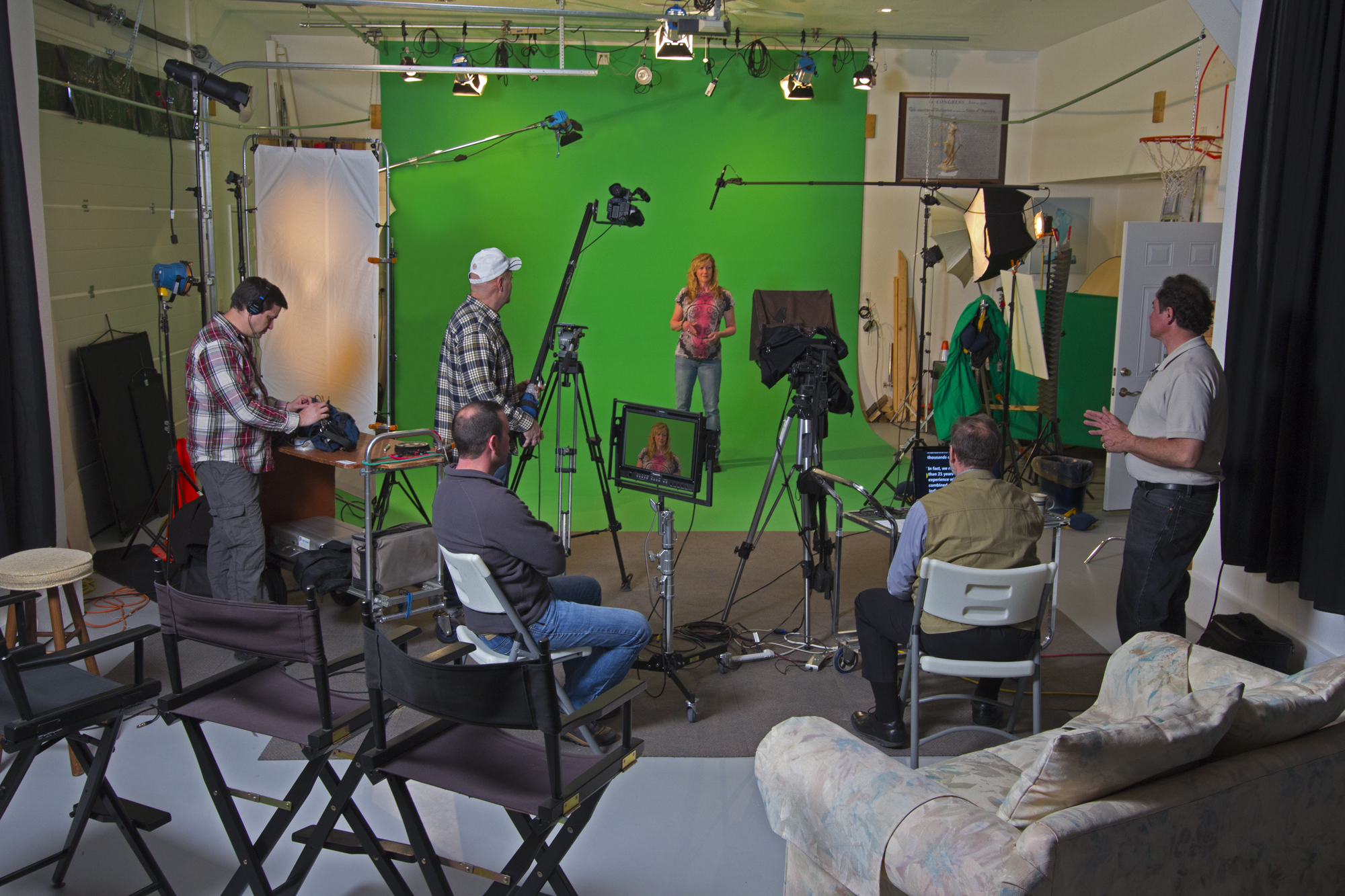
We offer both in-studio and on-location sessions, giving organizations the flexibility to choose a fully controlled studio environment or a session shot directly at your office to reflect your brand’s real-world setting. Our team manages every technical detail — lighting, posing, background consistency, and retouching — so your finished headshots look polished, professional, and consistent across your entire team, no matter how large the group.
We specialize in scheduling and executing large team and organization-wide sessions efficiently, minimizing disruption to your staff’s workday while still delivering individually tailored results. Every session is followed by professional post-production, with final images delivered in the file formats and crop ratios your team needs for web, LinkedIn, print, and internal use.
Whether you need headshots for a leadership page refresh, a full team directory, a new employee onboarding, or ongoing updates as your organization grows, St Louis Headshots is your partner for consistent, professional imagery that represents your company the way it deserves to be seen.
314-913-5626
Mike Haller
Studio by appointment: 4501 Mattis Road St. Louis, MO 63128